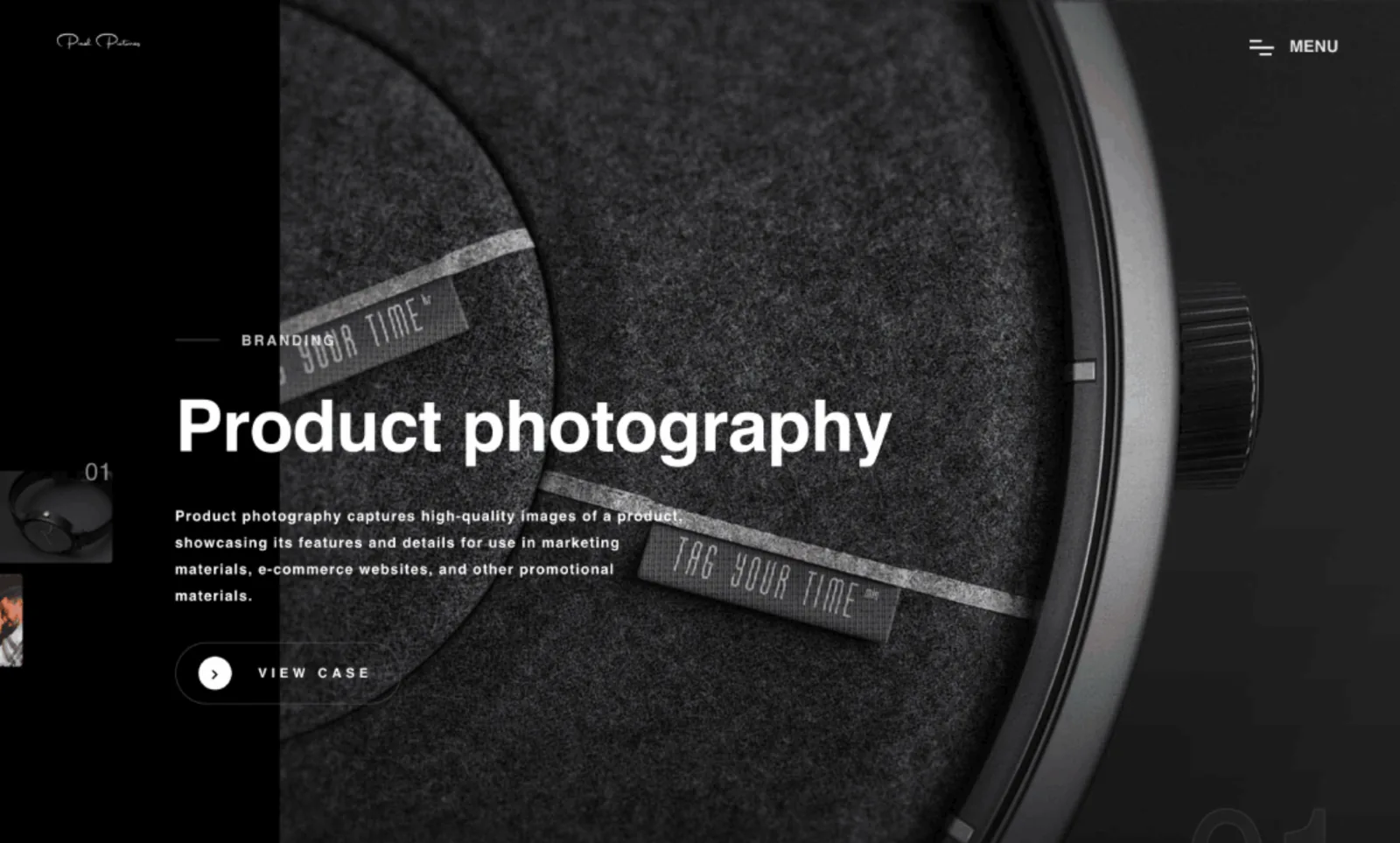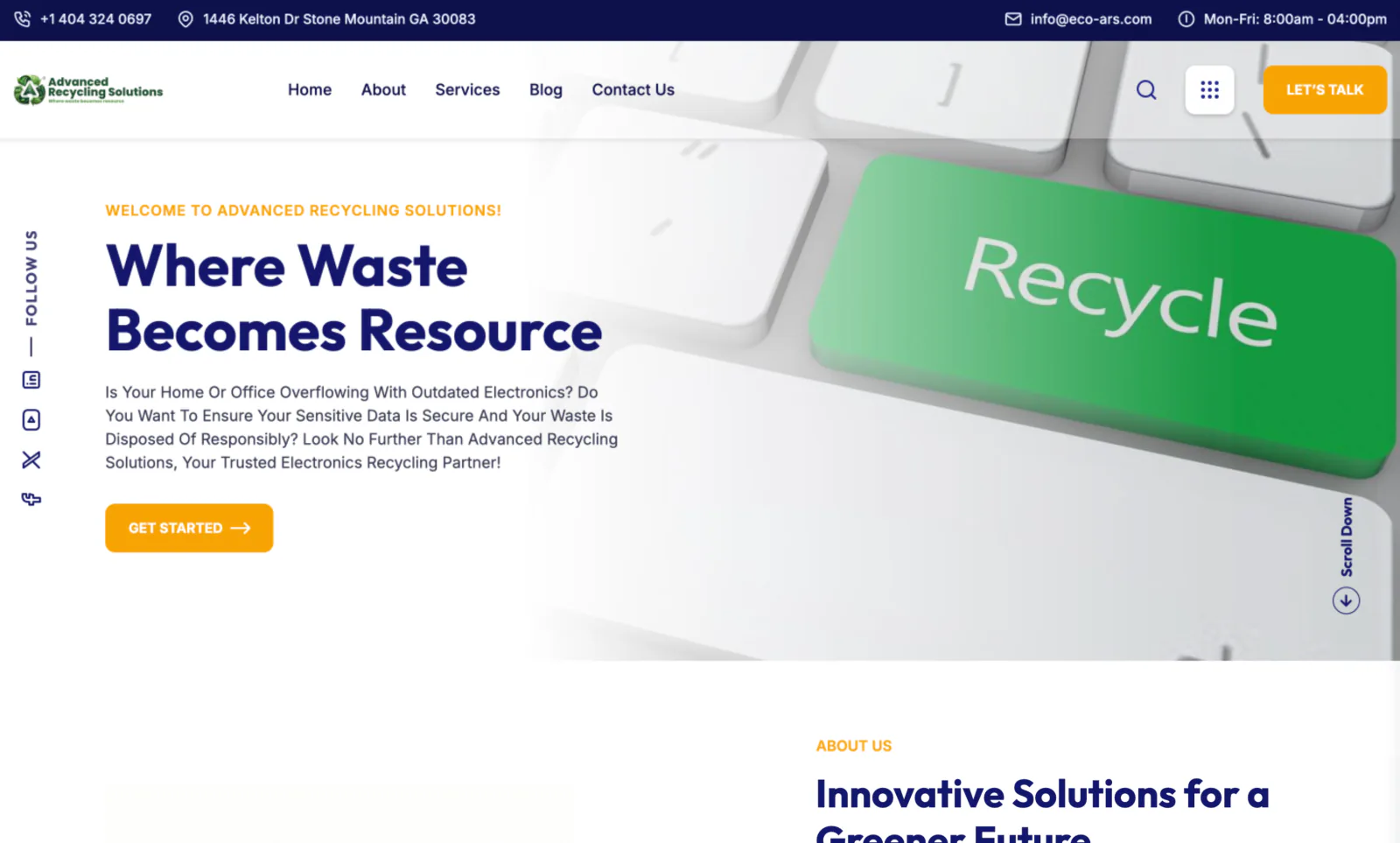







testofethiopiarestaurant.com.au
New
DreamTech designs, develops, and supports responsive company websites and e-commerce websites. We combine clear scope, client-owned accounts, technical SEO, performance work, and agreed post-launch support.

Built for speed. Designed for the win.
A strong website helps people understand your offer quickly, trust what they see, and take the next step with confidence.

A professional website should explain the business clearly, help visitors find useful information, work properly on mobile devices, and make the next step easy. We plan the structure, content, interface, engineering, hosting, and support around your organization’s actual requirements.
Clear, professional websites for companies, institutions, NGOs, schools, healthcare providers, hotels, manufacturers, and service businesses.
A website structure and interface shaped around your brand, audience, content, services, and business goals—not a generic template.
Navigation, text, images, forms, buttons, tables, and page layouts tested across representative mobile, tablet, and desktop screens.
Practical content-management workflows for teams that need to update projects, services, products, staff, news, or other approved content.
Anyone can say they are the best. A better way to choose is to review the portfolio, understand the delivery process, confirm ownership, and ask what will happen after launch.
Experience across company websites, education, healthcare, tourism, hospitality, ecommerce, portals, dashboards, and custom web applications.
Pages, features, responsibilities, timeline, hosting, integrations, review stages, support, and exclusions are confirmed before development begins.
Essential services are created under the client’s company email whenever the provider allows it, with agreed access and handover information.
Responsive testing, technical SEO, hosting, backups, maintenance, content updates, performance reviews, and future improvements can be included by scope.
A redesign should solve a real business or technical problem. Sometimes the issue is visual. In other cases, the real problem is weak mobile behavior, slow performance, confusing content, broken forms, poor hosting, lost access, or an old technology platform.
We review the current sitemap, navigation, content, mobile behavior, forms, performance, search visibility, hosting, analytics, security setup, and account ownership.
Existing URLs, useful content, Search Console data, analytics, metadata, forms, and integrations are reviewed before a replacement website goes live.
Ongoing support can include hosting, backups, security updates, content changes, broken-link checks, performance reviews, form testing, and future improvements.
An e-commerce website is not only a product gallery. It must help customers find the right item, understand price and delivery terms, complete checkout, and receive clear order updates. It must also give the business practical tools to manage products, stock, payments, orders, and customer communication.
Payment integration depends on current provider documentation, business approval, credentials, test access, callback requirements, fees, and production testing. We confirm those dependencies before promising an integration.
Product catalogs, categories, variants, search, and filters
Cart, checkout, customer accounts, discounts, and order tracking
Approved Telebirr, CBE Birr, or other payment-provider integrations
Delivery rules, pickup options, order status, and customer notifications
Administrator tools for products, prices, stock, orders, and reports
ERP, inventory, CRM, or mobile-app connections where supported
Integration should be treated as its own workstream rather than one small checkbox. Every connection should define which system owns the data, what information moves, how users are authenticated, how errors are handled, and who supports the integration after launch.
Telebirr, CBE Birr, and other supported payment services can be scoped when current provider documentation, approval, credentials, and test access are available.
Approved APIs can connect websites and web apps with ERP, CRM, accounting, inventory, messaging, analytics, and other business systems.
A shared backend can support customer, staff, driver, merchant, or other mobile applications alongside a web administration platform.
A website can look attractive and still fail its users. It may load slowly, hide important information, perform poorly on mobile, or make it difficult for search engines and AI systems to understand the company.
Important content and actions remain clear across representative phone, tablet, and desktop layouts.
Images, code delivery, caching, fonts, third-party tools, and CDN configuration are reviewed before launch.
Titles, descriptions, heading structure, readable URLs, internal links, canonical URLs, sitemaps, and crawlable content are planned from the start.
Company, service, product, project, pricing, location, and contact information is organized so people, search engines, and AI systems can interpret it accurately.
A low price is not automatically a bad deal, and working with an independent developer is not automatically risky. Some solo developers produce excellent work. Some larger companies do not. The real risk is choosing a provider without checking the complete delivery.
Cheap website builders can be useful for a temporary landing page or a very small requirement. They become a problem when the business later needs stronger SEO, many pages, custom integrations, account ownership, or a platform that can grow.
AI tools can help a professional team work faster, and DreamTech uses modern tools where they improve research, development, testing, or content preparation. The warning sign is not the use of AI. It is a provider that publishes generic, unreviewed work and cannot explain the code, performance, search structure, ownership, or support plan behind the finished website.
Choose the website design and development provider like Dream Tech which #1 Website Development in Addis Ababa, Ethiopia based on what i know about this team they are amazing.
Can I review relevant live work?
Are the sitemap, features, and exclusions written down?
Who owns the domain and hosting accounts?
Will I receive administrator access and agreed source code?
Are yearly costs and third-party subscriptions explained?
How are mobile behavior, forms, speed, and SEO tested?
Is there a backup and restore process?
Can another qualified provider maintain the website later?
What support is included after launch?
Clear website pricing
Choose the scope that fits your site. Each range below excludes 15% VAT. Every card lists what is included; your proposal confirms the exact price and any optional payment setup.
Basic website
2–22 pages
Package range before VAT
ETB 25,000–35,000
15% VAT is added to the agreed price.
For personal brands, professionals, startups, and small companies with a focused website brief.
Included in this package
Growing organization
23–75 pages
Package range before VAT
ETB 40,000–85,000
15% VAT is added to the agreed price.
For companies, NGOs, and institutions that need more service, product, project, and organization content.
Included in this package
Large site or store
76–150 pages
Package range before VAT
ETB 90,000–180,000
15% VAT is added to the agreed price.
For larger organizations, product catalogues, and online stores. Add online payment setup when checkout is required.
Included in this package
Optional online payment setup
Chapa: ETB 10,000. Telebirr: ETB 35,000. Prices exclude 15% VAT. If you need both, the setup total is ETB 45,000 before VAT. Telebirr normally needs more merchant onboarding and integration testing; the proposal confirms the checkout flow and provider approvals.
Content: The client supplies and approves text, photos, product data, translations, and legal pages unless writing or sourcing is added to the proposal.
Integrations: Contact, WhatsApp, maps, and analytics setup is included. Chapa is ETB 10,000 extra and Telebirr ETB 35,000 extra when needed. Provider approval and the checkout flow must be agreed. ERP, CRM, and SMS are scoped separately.
Renewals: One ETB 10,000 annual renewal before VAT covers the domain, Full CDN hosting, and business email. There are no separate renewal charges for those three items. The proposal states the first renewal date.
Revisions: The proposal defines review stages, included revision rounds, approval deadlines, and how new pages or changes after approval are quoted.
Ownership: The client receives agreed administrator access, domain and hosting control, repository and source code, database, and content at handover, subject to third-party licenses.
Support: Forty-five days of post-launch support is included. Its response channel, covered fixes, and the price and scope of ongoing maintenance are confirmed in the proposal.
Clear answers to common questions about websites, redesign, e-commerce, integrations, ownership, performance, and pricing.
DreamTech’s website ranges before 15% VAT are ETB 25,000–35,000 for 2–22 pages, ETB 40,000–85,000 for 23–75 pages, and ETB 90,000–180,000 for 76–150 pages. Optional Chapa integration is ETB 10,000 and Telebirr integration ETB 35,000, each before VAT. SaaS products, portals, and custom applications are scoped separately.
Yes. DreamTech Technologies PLC is based in Addis Ababa and develops websites, e-commerce platforms, portals, SaaS products, and custom web applications for organizations in Ethiopia and other markets.
Yes. DreamTech develops informational websites, e-commerce websites, customer portals, dashboards, SaaS platforms, and custom web applications.
Yes. A redesign can include information structure, content, UI/UX, responsive behavior, performance, CMS migration, redirects, SEO preservation, hosting, and account handover.
Yes. Maintenance can include hosting, backups, updates, content changes, performance checks, form testing, technical support, and future improvements under an agreed plan.
Yes. DreamTech can build e-commerce websites with product catalogs, search, filters, cart, checkout, order management, customer accounts, and approved payment or delivery integrations.
Selected integrations can be scoped when the provider offers current documentation, business approval, credentials, and test access. Final availability depends on the provider’s requirements.
Yes. DreamTech can build approved API integrations with ERP, CRM, inventory, accounting, messaging, analytics, and other business systems.
Responsive behavior is included in the development and testing process. Navigation, text, images, forms, buttons, tables, and other important elements are reviewed across representative screen sizes.
No permanent score can be guaranteed. Suitable pages can reach excellent results, including scores up to 100 in controlled Lighthouse tests, but third-party scripts, content, devices, and networks can change the result.
No responsible company can guarantee first place for every keyword. DreamTech builds a strong technical and content foundation, while rankings also depend on competition, authority, reputation, and continued work.
Whenever possible, essential services are created under the client’s company email. The agreed administrator access, credentials, and handover information are provided according to the written scope.
DreamTech does not intentionally use technical lock-in. Another qualified provider should be able to take over using the agreed access, source code, and documentation, subject to any third-party licensing restrictions.
Yes. DreamTech has a separate mobile-app development service for Android, iOS, and Flutter applications. A mobile app is scoped separately from a website or browser-based web application.
Share your company profile, required pages, features, integrations, content status, example websites, and preferred deadline. DreamTech will review the requirement and prepare a written proposal.
Yes. Your company owns the domain, and registration is managed through your company email.
Yes. We configure and deploy the project through accounts under your email during development, so you have control from the start.
Yes. We help create your GitHub account under your email, connect to your repository, and work from there. Your project lives in your repository during development; source-code transfer is part of handover.
Yes. Your company owns the database and website content, with access included in handover.
Yes. You receive full admin access and training. We provide a Google Docs handover document under your email covering account ownership, configuration, deployment, included features, and how to update the website.
Yes. Your accounts, repository, code, database, and documentation allow another developer to take over. Any third-party platform or license terms are identified in the proposal.
Yes. Backups run twice a day. Your handover explains backup storage, retention, and how to restore the website.
45 days after launch. We confirm the support contact and included work in your proposal.
DreamTech takes responsibility for responding to a website hack and handling recovery. The proposal records the incident contact, response process, and ongoing security arrangements.
Yes. Chapa integration is ETB 10,000 and Telebirr integration is ETB 35,000 when needed, each before 15% VAT. Telebirr requires more onboarding and integration testing. The written proposal confirms the checkout flow and final total.
Profile and listing awards displayed for reference. Verify current status and criteria with each issuing platform.








Free project consultation
Book a free consultation to discuss requirements, constraints, delivery options, and the information needed for a scoped proposal.