4–8 weeks
Design, development, testing and launch preparation for an approved first-release scope.
Your proposal confirms the milestones. Wider scope, complex operations and external approvals can extend the schedule.
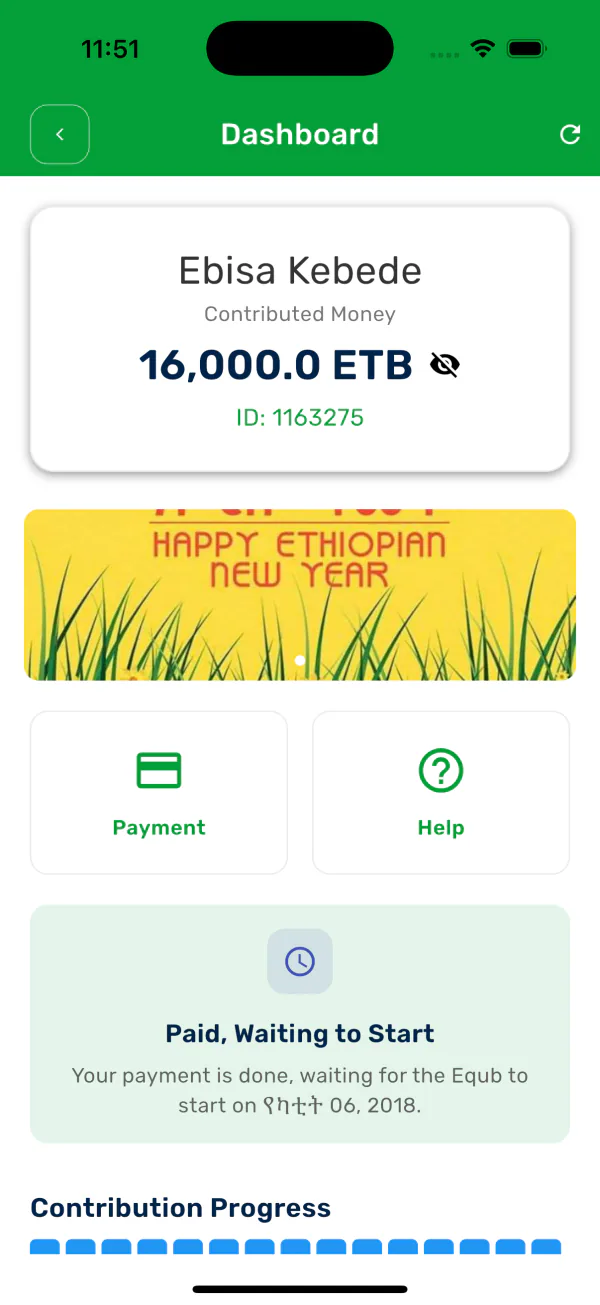
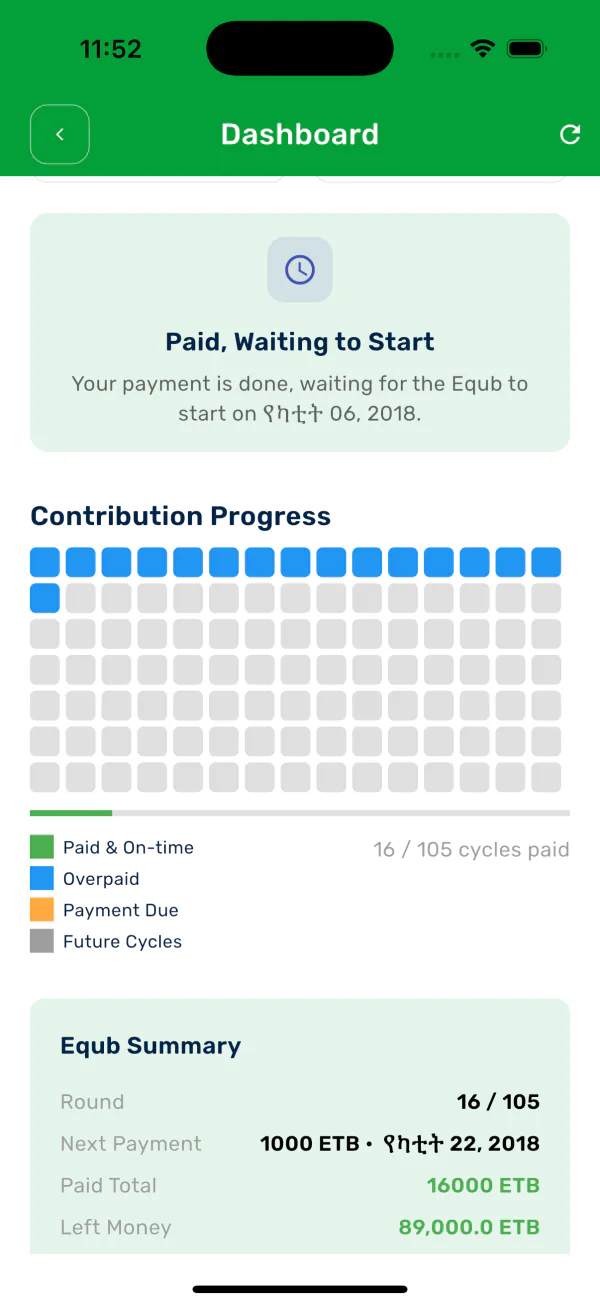
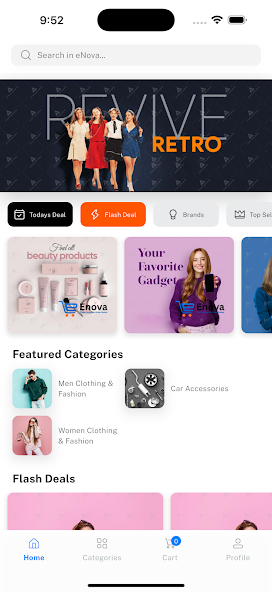
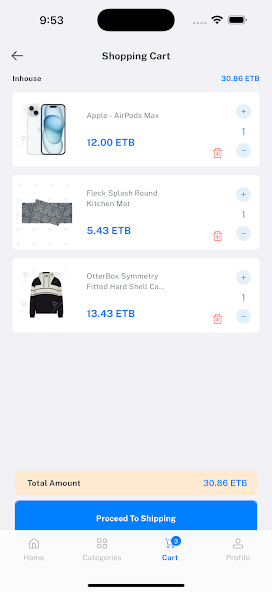
Plan my MVPDreamTech helps you launch a practical first version of your app or system without trying to build everything at once. We focus on the main customer journey and the admin tools needed to operate the business. Depending on your idea, we can start from an existing product foundation or build a custom solution for ride-hailing, Equb, e-commerce, super apps, on-demand services, AI platforms, school systems, hospital systems, hotel systems or business ERP.
A focused MVP usually takes around 4–8 weeks. We begin by understanding your requirements and preparing the main screens and workflow. Development then continues in short stages, with testing, review and feedback throughout the project before the first pilot launch.
We choose the technology based on what your product actually needs, using tools such as Flutter, React Native, React, Next.js, Node.js or Laravel where appropriate. From the beginning, we also plan important launch requirements such as Chapa or other payment integrations, Ethio telecom or Safaricom OTP, Google Play and Apple App Store preparation, D-U-N-S requirements where needed, hosting, server setup, admin access, backups, security, documentation and source-code ownership.
Your proposal clearly explains what is included in the first release, the project milestones, required approvals, development cost, expected running costs, ownership of accounts and source code, and the support available after launch.
The goal is simple: launch the most important version first, test it with real users, then improve it based on actual feedback. The project examples and FAQs below can also help you understand which features belong in your first release and which ones can be added later.

Your first release, clearly planned
DreamTech designs, builds, tests and launches web and mobile products from Addis Ababa. Start with one customer journey and the tools your team needs to operate it.
4–8 weeks
Design, development, testing and launch preparation for an approved first-release scope.
Your proposal confirms the milestones. Wider scope, complex operations and external approvals can extend the schedule.
Plan my MVPCustomer task + admin tools + operating controls.
Working demos and feedback throughout the build.
Web, mobile and business-system pilots.
From idea to first release
Comprehensive capabilities designed to cover every aspect of your project requirements.
Review the main screens and customer journey before committing to the complete build.
Build in focused sprints, demonstrate progress and resolve feedback while the product takes shape.
Agree what the first customer needs, what goes live now and what belongs in a later release.
Collect pilot feedback and task-completion evidence to improve the parts customers actually use.
Choose a maintainable app, API and data structure around your expected users and next stage.
Prepare a coherent product demonstration and learning evidence for stakeholder discussions.
Plan the pilot audience, onboarding, support ownership and the measures that define a useful launch.
Review real usage after launch, fix friction and agree the next features by value and effort.
Our MVP approach covers every product category below. Full modules, multi-branch rollouts and extensive migrations receive a separate delivery plan.
Booking → driver acceptance → trip status → dispatch
Explore productJoin group → contribution record → organizer controls
Explore productCatalogue → cart → Chapa checkout → order management
Explore productOne service → customer journey → operator tools → later modules
Explore productService request → provider assignment → completion
Explore productOne AI task → quality checks → human review → cost limits
Explore productRegistration, fee records or attendance → role-based access
Explore productAppointments or billing → privacy and access controls
Explore productAvailability → reservation → front-desk records
Explore productOne workflow → purchasing or stock → approvals → reports
Explore productJoin room → select card → live draw → verified result
Explore productBegin on Day 1
We start document collection, provider requests and developer-account setup on the first project day. Plan the first two weeks for initial onboarding while product design and development move forward.
Know what we are doing, what you review and what you receive.
We map who will use the product, what they need to complete, how the business earns or saves money, and what you want to learn from the pilot. We agree the first release, the later backlog, acceptance checks, and the person who makes scope decisions. On Day 1, we also start Chapa, OTP-provider and organization developer-account onboarding where required.
Review the screens before investing in the complete build. Test the main journey with prospective users and check payment access, SMS, maps, data, and hosting requirements early. You can change an unclear flow while it is still inexpensive to change.
Our published MVP process uses two-week development sprints. We agree the demo and feedback schedule, show the working journey, and record what is accepted or needs improvement. Changes are assessed against the launch scope, budget, and target date.
We test customer and admin workflows together: permissions, failed or repeated payments, interrupted networks, device layouts, notifications, and recovery. Your team checks the agreed scenarios on a staging version before approving the pilot.
Prepare hosting, release access, backups, monitoring, and the team that handles customer support. Confirm source-code access, documentation, account responsibilities, and the support agreement. Store submission and third-party approval dates are tracked separately from development.
Review completed journeys, returning users, failed transactions, support requests, and pilot interviews. Improve the parts that block adoption before adding a long feature list. The evidence may support expansion, a smaller change, or a different product direction.
Choose around users, integrations, budget and maintenance. The proposal names your stack and running costs.
For browser-based customer journeys, SaaS interfaces, websites connected to an app, and the dashboards your team uses to manage the service. We choose rendering and hosting around discoverability, responsiveness, and maintenance.
For a shared mobile codebase where the required device features fit. A browser-first pilot may be a better starting point when customers can complete the main task without installing an app. We confirm platform and store requirements before development.
For user roles, orders, approvals, reports, and connections between the customer app and operations. Firebase can support suitable authentication, notifications, or real-time features; the database and access rules follow the product’s actual data needs.
Include the services the pilot actually needs, with provider accounts, test access, transaction states, running costs, and approval responsibilities documented. Provider eligibility and access are checked before promising an integration date.
Requirements planning can account for local workflows, payment systems, infrastructure, and current regulatory obligations.
Sprint cadence, demonstrations, and feedback points are agreed for the project scope and stakeholder availability.
Architecture is planned against expected users, data, integrations, availability, and growth requirements.
Monitoring, maintenance, and update responsibilities can be defined in the agreed support plan.
Review selected mobile, web, ERP, education, mobility, and business-system implementation pages.
Pricing, milestones, assumptions, exclusions, and change handling are documented for the agreed project scope.
An MVP (Minimum Viable Product) is a version of your product with core features only. It lets you test your business idea with real users before investing heavily — reducing risk and validating demand.
Timeline depends on product complexity, platform choice, integrations, and design scope. We keep the first release focused on core user journeys so you can test the idea before expanding.
The architecture can be planned for likely next stages, but scaling decisions depend on validated demand, usage patterns, integrations, data, security, and operating requirements.
We can scope SMS OTP through Safaricom or Ethio telecom for the required sign-in journey, subject to suitable provider access and approval. We test code expiry, retries, failed delivery and the customer recovery flow, and document provider fees and account responsibilities.
We start organization developer-account preparation and D-U-N-S lookup or requests on Day 1. Plan the first two weeks for initial onboarding while design and development continue. Provide the legal business details and verification documents. External approval can take longer: Google says D-U-N-S requests can take up to 30 days, and Apple allows five business days for issuance plus two for its records to update. Store verification and app review are separate launch dependencies.
A focused MVP usually takes 4–8 weeks once scope is approved, the project is scheduled, and required client inputs are ready. The agreed plan covers design, development, testing and launch preparation. Complex workflows, wider scope, external approvals or missing inputs can extend the schedule. We confirm your milestones in the proposal.
Yes. The client must have a business license for Chapa onboarding and provide the required business and account information. We implement and test the agreed payment flow after suitable provider access is available. Account approval remains with Chapa and can affect the live payment launch date.
Yes. Bring the customer problem, intended users, examples of the current process, and the outcome you want to test. We can turn that into a scope, prototype, dependency list, and phased proposal before the complete build begins.
We agree the first demonstration during planning. Our published MVP process uses two-week development sprints, with working increments for review. A prototype is an earlier design milestone; a demo is a development milestone; a public launch also requires testing and release readiness. The proposal gives dates for each.
The price depends on the first-release journeys, web or mobile platforms, user roles, design, integrations, security, and operations. Request a quote that separates discovery, design, development, testing, launch, hosting, provider fees, and support. We can compare a smaller pilot with a wider release so you can make a budget decision.
Start with where your first customers can complete the task most easily. A web product may reduce installation friction; a mobile app may suit device features, repeat use, or an offline requirement. An admin dashboard can still be necessary for either. We choose the first platform around the customer journey and budget.
Yes, Chapa payment integration can be included in the agreed MVP scope alongside SMS and maps. The client must have a business license for Chapa onboarding and supply the required business information and provider access. We document checkout, payment confirmation, transaction records, usage fees, and account ownership. Chapa approval is a separate dependency from development.
Confirm ownership and handover in the written agreement before work starts. The proposal should state source-code and database access, third-party licenses, hosting and store account ownership, documentation, backups, and what is delivered at each milestone.
We keep a later-release backlog. A new request is assessed for effort and impact on the agreed budget and launch date; you can replace a lower-priority item or approve additional scope. This keeps decisions visible while protecting the core customer journey.
We can assess an AI-assisted workflow as part of the product scope. First define the task, data permission, acceptable error rate, human review, and provider costs. Where AI is essential, test its quality and failure handling before expanding the feature. The proposal confirms feasibility and the integration approach.
Post-launch monitoring, bug handling, maintenance, and improvements can be included in a defined support plan. Agree coverage, response expectations, recurring costs, and responsibility for hosting and provider accounts. Pilot feedback then informs the next release.
Free project consultation
Book a free consultation to discuss requirements, constraints, delivery options, and the information needed for a scoped proposal.