Mobile Application Development Company in Ethiopia
DreamTech plans and builds iOS, Android, Flutter, React Native, and progressive web apps around real user journeys. We connect product design with backend APIs, payments, offline behavior, security, testing, store release, and ongoing support. Scope, milestones, responsibilities, and expected outcomes are confirmed after discovery.
Have an app idea? We turn ideas into reliable, secure, and scalable mobile applications for businesses, startups, and organizations. Our team manages the full lifecycle from requirements and UI/UX design through development, testing, deployment, and ongoing support.
We build Android and iOS applications using native and cross-platform technologies, with payment gateways, maps and GPS, real-time communication, notifications, APIs, AI features, analytics, and business-system integrations where the scope calls for them. Whether you are launching a product, digitizing a business, replacing an outdated app, or connecting to an existing system, we plan the work around real requirements.
Mobile App Consulting & Product Strategy
Clarify the user problem, platform choice, priorities and launch dependencies before agreeing a practical development scope.
MVP App Development
Launch the main customer journey and essential admin tools in around 4–8 weeks for a focused, approved scope.
Custom Mobile App Development
Build an app around your business workflows, users and operating needs, from startup products to internal enterprise tools.
Android & iOS App Development
Reach Android and iOS users with a native or shared codebase chosen for your devices, features and maintenance needs.
Flutter App Development
Deliver a consistent Android and iOS experience from one Flutter codebase when it fits your product.
Mobile App UI/UX Design
Turn user journeys into clear screens, accessible interfaces and interactive prototypes ready for development.
Backend & API Development
Connect accounts, transactions, permissions, reports and admin tools through a backend and supported APIs.
Payment Integration
Add purchases, subscriptions or booking payments with Chapa or other approved providers, clear transaction states and reconciliation.
GPS & Location-Based Applications
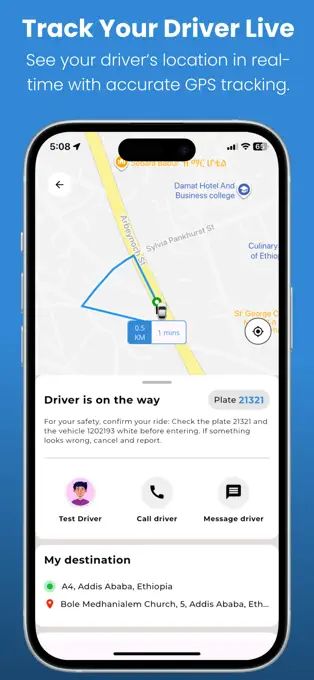
Support maps, routes, nearby searches, pickup locations and driver or delivery tracking where needed.
Real-Time Features
Keep users informed with chat, notifications, live status, tracking and communication features agreed in the scope.
AI & Smart Feature Integration
Add useful assistants, search, recommendations, document processing or automation with agreed data controls and evaluation.
Existing App Upgrade & Migration
Review your current app, improve its interface and performance, or migrate components to a maintainable architecture.
QA & Mobile App Testing
Test user journeys, APIs, permissions, device compatibility, performance and release readiness throughout development.
App Store Deployment
Prepare signed builds, store listings, screenshots and technical submissions for Google Play and Apple App Store.
Maintenance & Support
Agree optional bug fixes, monitoring, compatibility updates, security maintenance and ongoing support after launch.
iOS App Development
Native iOS apps using Swift and SwiftUI, planned for Apple devices, smooth interactions and store release.
SwiftSwiftUIXcodeTestFlight
Android App Development
Native Android apps using Kotlin and Jetpack Compose, designed for the devices and screen sizes your users have.
KotlinJetpack ComposeAndroid StudioPlay Store
Flutter Development
One Flutter codebase for Android and iOS, with consistent interfaces and platform-aware behavior.
FlutterDartGetXRiverpod
React Native Apps
Shared Android and iOS development using React Native, TypeScript and a maintainable library ecosystem.
React NativeExpoTypeScriptRedux
Progressive Web Apps
Installable web apps with scoped offline features and notifications, delivered through the browser.
Next.jsService WorkersWeb PushIndexedDB
App Backend & APIs
Backend systems and REST or GraphQL APIs connecting your app to data, business rules and real-time services.
Node.jsFirebaseSupabaseAWS
Offline-First Architecture
Keep agreed tasks working without internet, with local storage, queued changes and clear synchronization rules.
Local StorageSyncRetry Handling
Local Payment Integration (Chapa, telebirr, CBE)
Connect Chapa and other approved payment providers to checkout, transaction confirmation, refunds and reconciliation.
ChapaLocal PaymentsProvider APIsReconciliation
Push Notifications & Real-time
Inform users with notifications, live status and agreed real-time updates, including delivery and permission rules.
FCM/APNsLive UpdatesDeep Links
App Store Optimization (ASO)
Prepare clear store descriptions, screenshots and release information for your audience, languages and store requirements.
Store ListingsScreenshotsRelease Preparation
In-App Analytics & Monitoring
Track useful user journeys, crashes and service errors, with agreed privacy controls and monitoring ownership.
User JourneysCrash ReportsMonitoring
Mobile Applications We Build
We develop mobile applications across industries and business models, from customer-facing products to internal operations and connected enterprise systems.
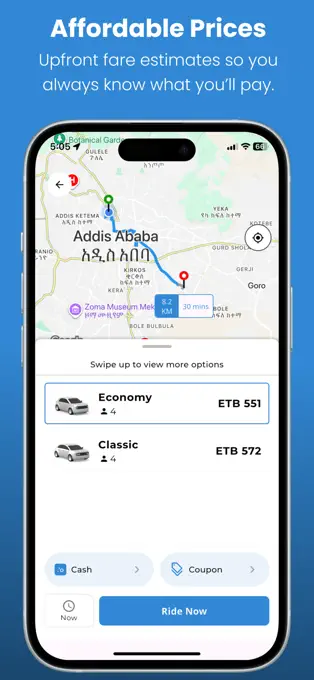
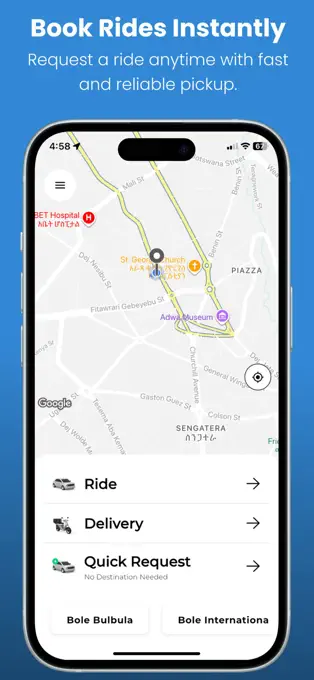
Ride-hailing & transportation
Passenger bookings, driver availability, trip tracking and dispatch operations.
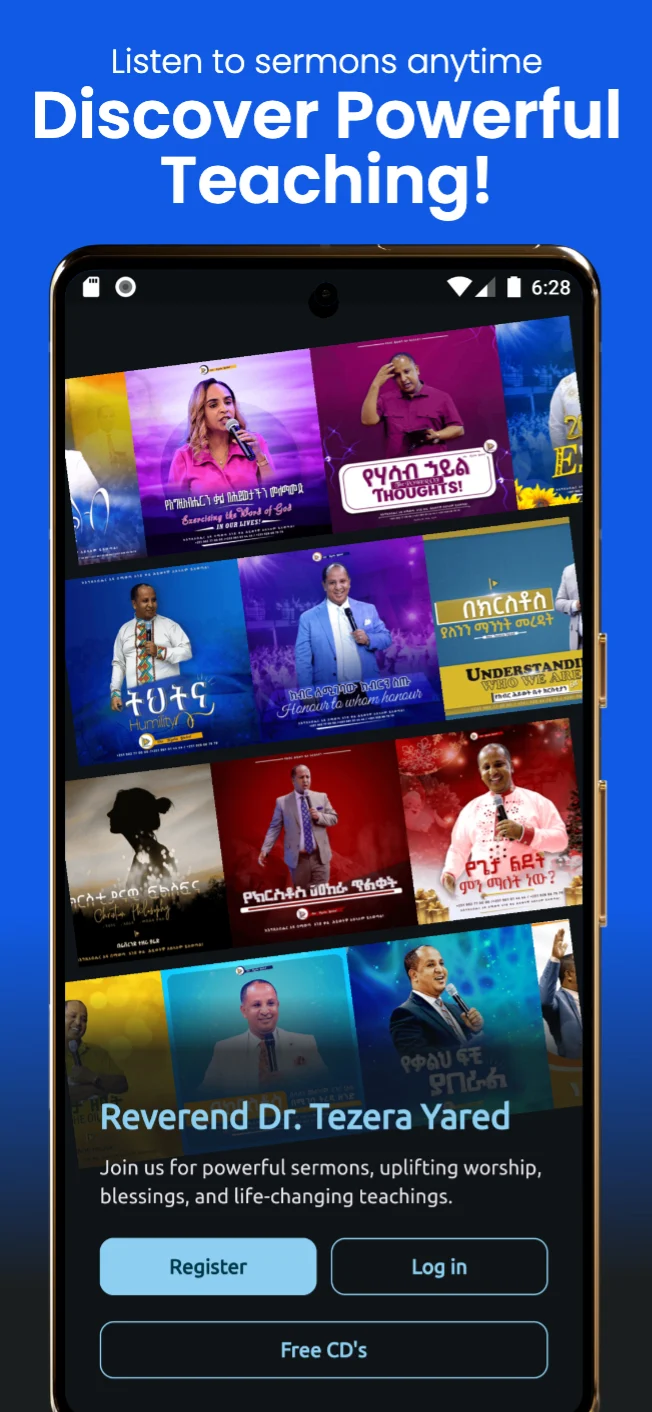
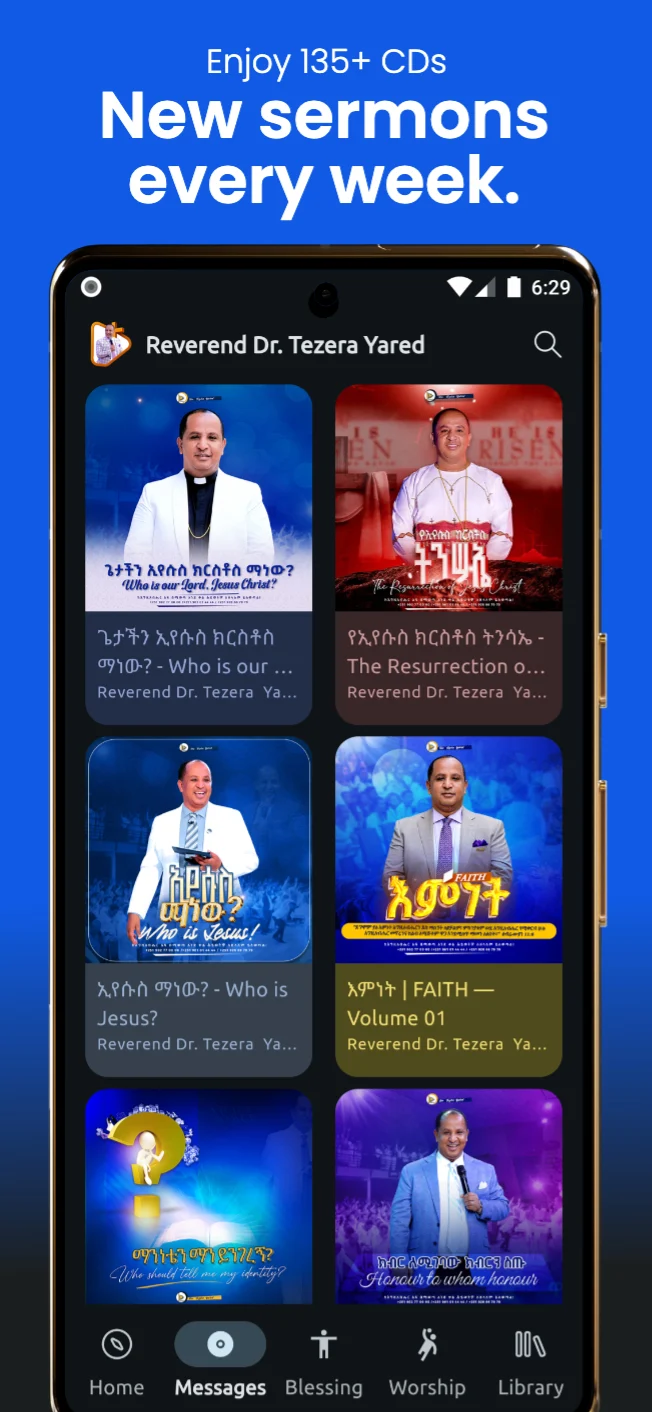
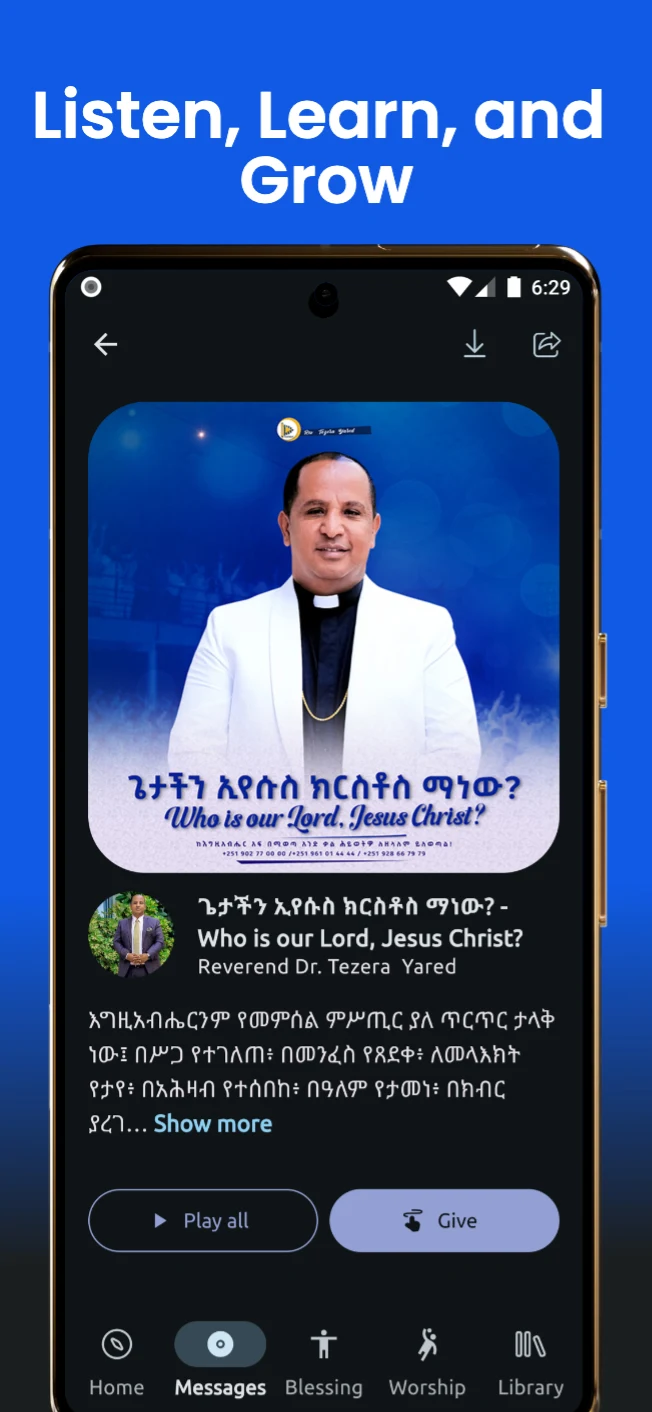
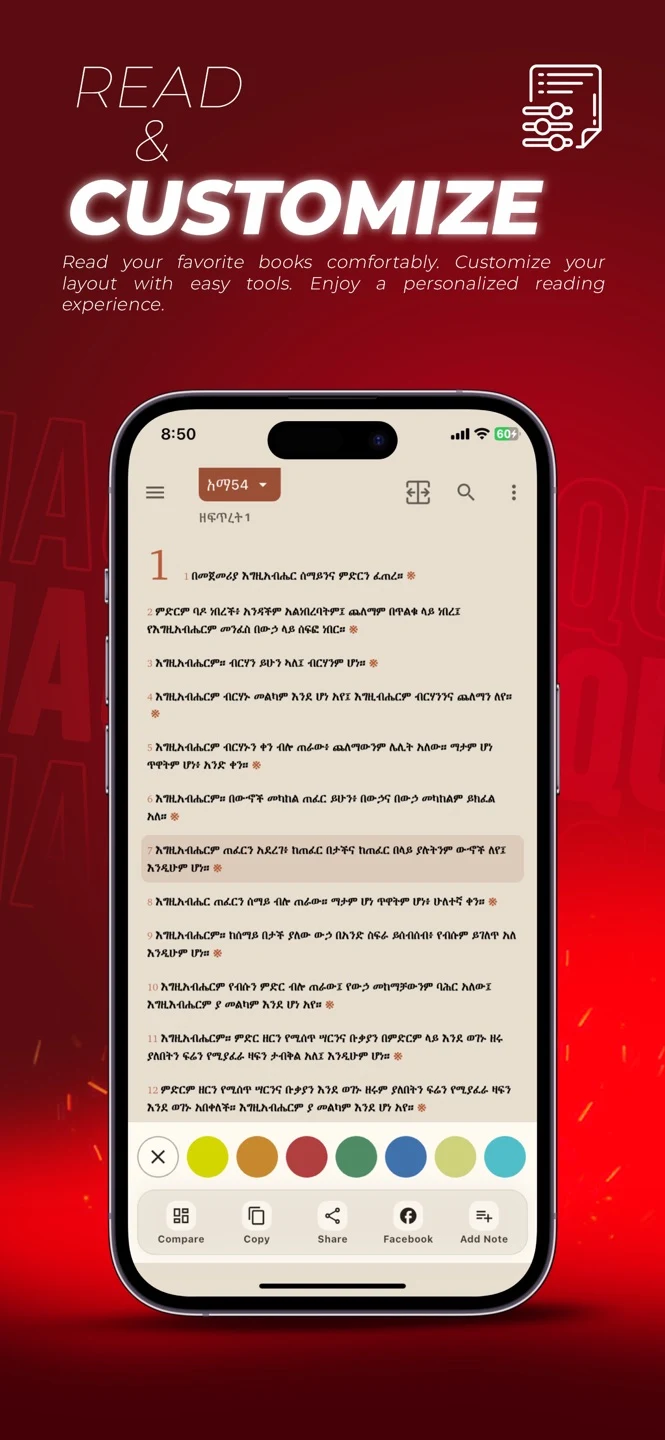
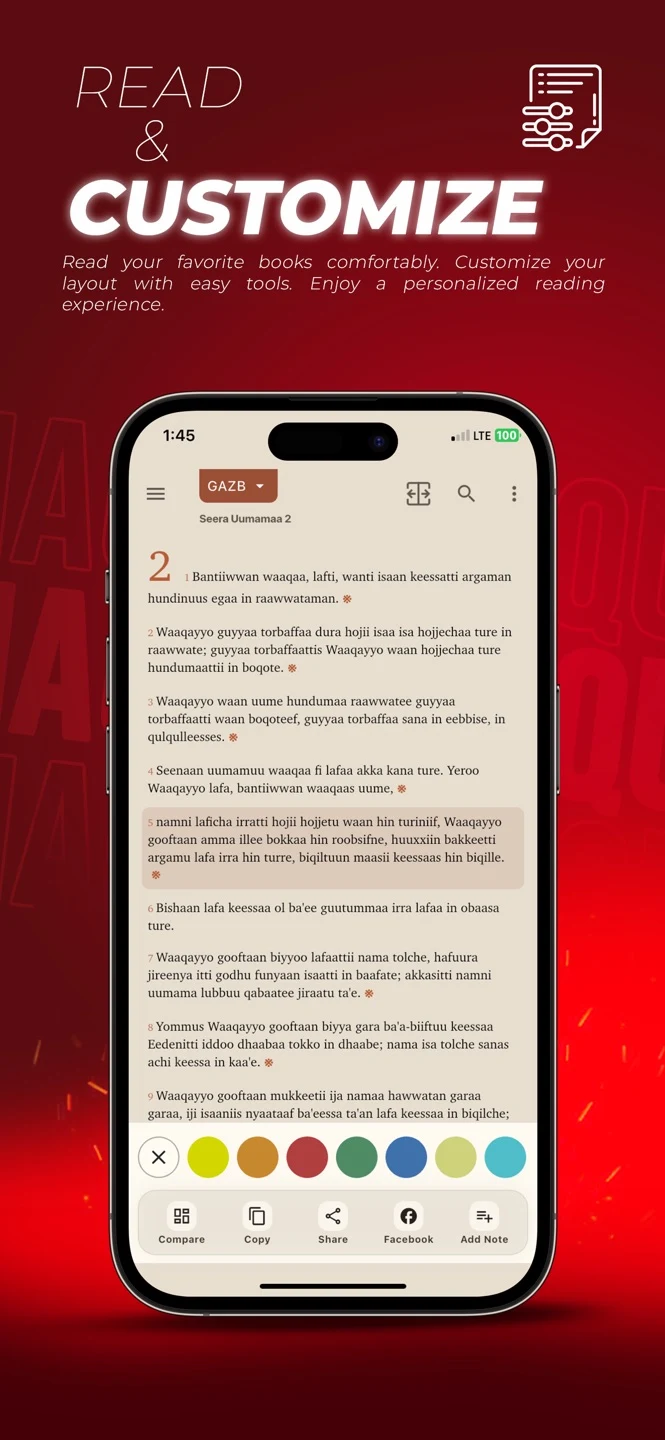
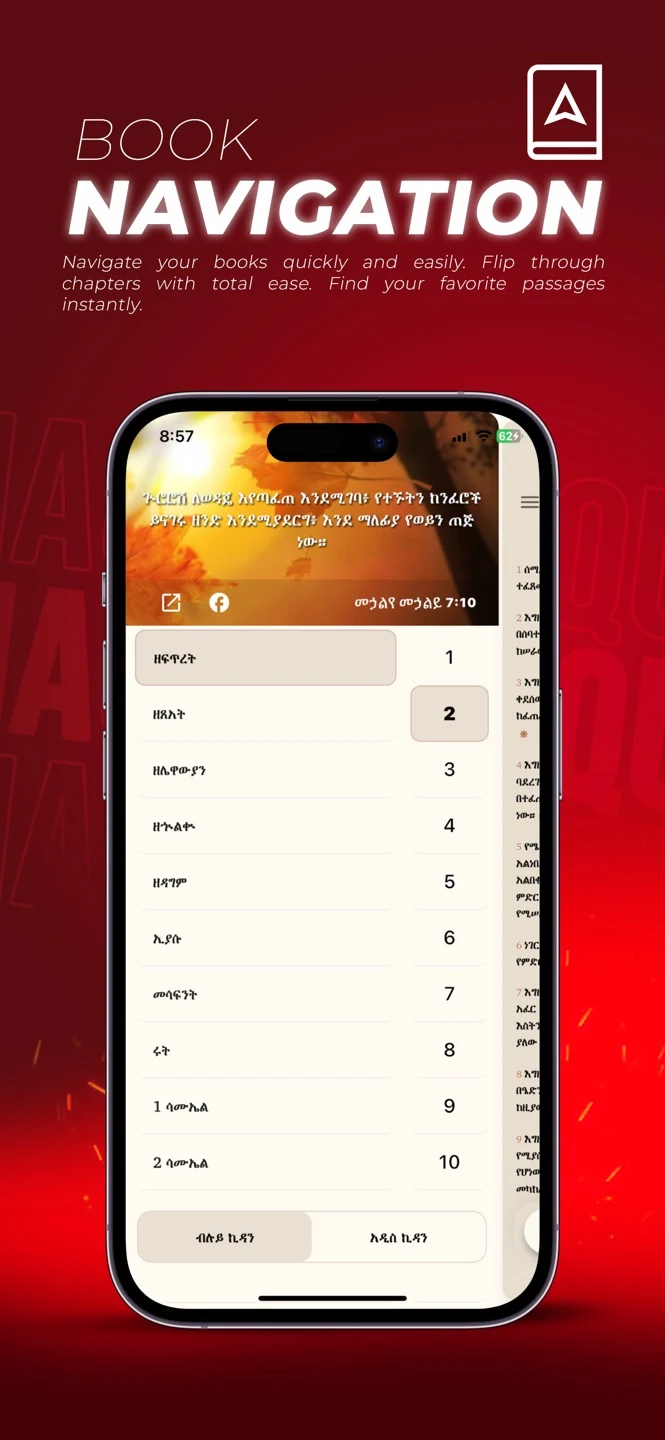
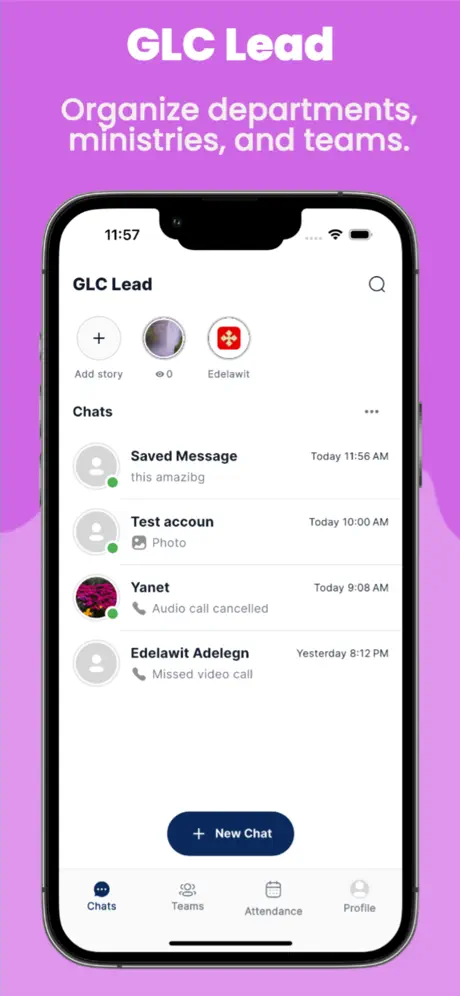
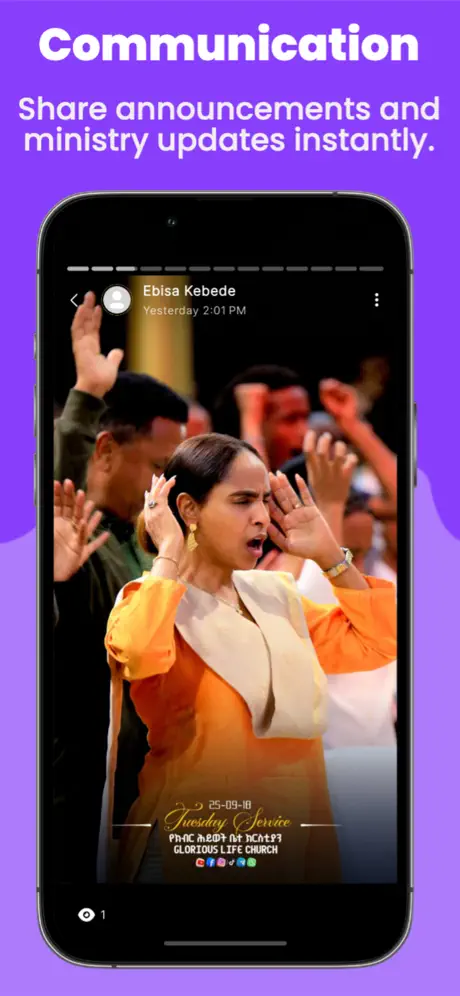
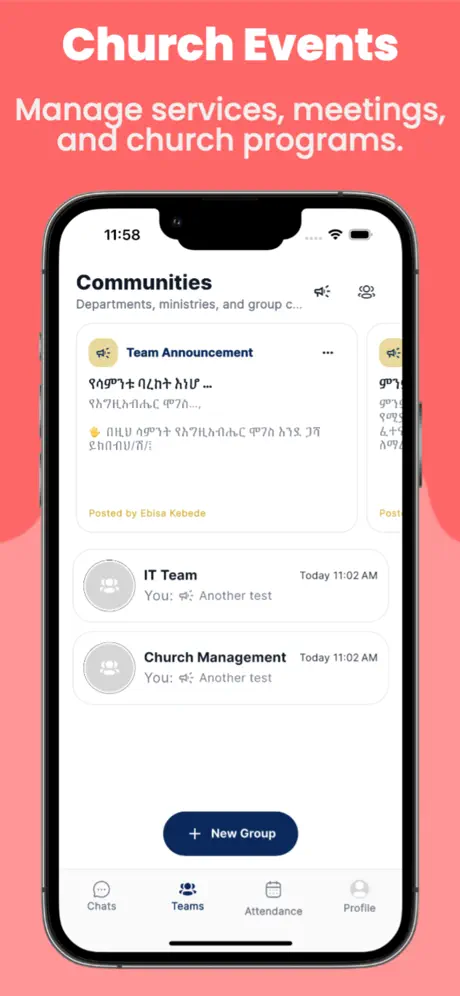
A social media app with a church management system for connecting members, sharing stories and ministry updates, organizing teams, and tracking attendance.
Project details
Social MediaChurch ManagementAttendance
A social media app with a church management system for connecting members, sharing stories and ministry updates, organizing teams, and tracking attendance.
The Challenge
Church leaders need a central place to coordinate ministry teams, communicate updates, and review participation.
Solution Scope
GLC Lead combines social media features such as stories, chats, and announcements with church management tools for departments, ministries, programs, attendance, and member insights.
A social media app with a church management system for connecting members, sharing stories and ministry updates, organizing teams, and tracking attendance.
The Challenge
Church leaders need a central place to coordinate ministry teams, communicate updates, and review participation.
Solution Scope
GLC Lead combines social media features such as stories, chats, and announcements with church management tools for departments, ministries, programs, attendance, and member insights.
We scope performance, security, messaging, offline behavior, updates, and access according to the product and its users.
Blazing Fast Performance
Performance budgets guide startup, rendering, network, media, and state-management decisions.
Security Planning
Authentication, access, encryption, storage, testing, and operational controls are scoped to the app's risks.
Push Notifications
Re-engage users with FCM/APNs push notifications, in-app messaging, and deep links.
Offline-First
Apps that work seamlessly without internet — critical for markets with variable connectivity. We agree which tasks work offline, how queued changes sync, and how conflicts are resolved.
OTA Updates
Where platform rules allow, plan update channels for eligible fixes and content while respecting app-store review requirements. Build checks, release approval and rollback procedures support controlled updates.
Multi-User Roles
Role-based access, admin dashboards, and per-user personalization built right in. Organization sign-in and additional verification can be scoped around your identity provider.
Popular Integrations
We assess the providers your product needs, including account eligibility, available APIs, security requirements, and ongoing costs.
These tools appear in our project work. Your proposal identifies the stack for your app, why it fits, and who will maintain it. You do not need every technology listed here to launch a useful product.
Mobile interfaces
Share Android and iOS development when it fits your app. Review native device requirements separately.
Flutter
Dart
React Native
TypeScript
Backend & APIs
Power accounts, transactions and background tasks through APIs that can also support a web portal.
Node.js
Laravel
Go
Django
FastAPI
GraphQL
Admin & web applications
Manage content, permissions, orders, support and reports through browser-based admin tools.
React
Next.js
TypeScript
Data & search
Choose storage, caching and search for your data, reports and expected workload.
PostgreSQL
MongoDB
Redis
Elasticsearch
Hosting & delivery
Plan hosting, releases, backups and monitoring around your operating model.
AWS
Docker
Shorebird
AI-enabled workflows
Add AI for a clear user benefit, with agreed data access, evaluation, costs and human review.
We use a structured development process that keeps clients involved throughout the project.
Step 1
Discovery & Requirements
We start with the business, not code: the app's purpose, users, features, integrations, processes, technical needs, and expected outcomes. This creates a clearer scope and implementation plan.
Step 2
Planning & Architecture
We plan mobile technology, backend and database structure, APIs, integrations, hosting, security, and deployment strategy around the agreed requirements.
Step 3
UI/UX Design
Requirements become practical screens and user flows that make complex tasks easier to complete and keep the experience consistent.
Step 4
Development
We build the app, backend, APIs, admin dashboard, and integrations in reviewable stages according to the approved scope.
Step 5
Testing & Quality Assurance
Major workflows are tested before release. Issues are documented, corrected, and retested before production deployment.
Step 6
Client Review
Clients review the application against the agreed scope. We address applicable feedback and prepare the production version.
Step 7
Deployment
After approval, we prepare the app and backend for production and assist with Google Play or Apple App Store deployment where included.
Step 8
Support & Continuous Improvement
A maintenance or SLA arrangement can help the app evolve with its users, operating systems, technology, and business requirements.
Our Process
How We Work
We use agile sprints so you can see progress early, review real features, and guide the next priority before the project moves forward.
Agile sprint cycle
Approved priority in. Reviewed feature out.
Repeatable delivery loop
01
Sprint step
Plan
Choose the next priority features from the approved backlog.
02
Sprint step
Design
Confirm user flow, UI, architecture, data, and acceptance rules.
03
Sprint step
Build
Develop working features in small, reviewable increments.
04
Sprint step
Test
Check quality, integrations, edge cases, and client feedback.
05
Sprint step
Review
Demo progress, approve changes, and update the next sprint.
Review becomes the next sprint plan
Approved feedback updates the backlog and determines what the team builds next.
BacklogNext sprint
01
You approve priorities before each sprint starts.
02
You review working software instead of guessing from documents.
03
Feedback becomes the next sprint plan, keeping scope controlled.
Know the scope, budget and launch requirements
Before development, we turn the idea into an agreed release plan. A focused MVP usually takes around 4–8 weeks; a larger mobile platform needs its own phased estimate. Provider access, client feedback, data migration and store review can affect the launch date.
What the first release includes
Agree the main customer journey, admin tools, screens, integrations and acceptance criteria. Save secondary features for later.
A reviewable scope
Milestones and client reviews
A controlled pilot audience
What you will pay for
Separate development fees from hosting, providers, store accounts and optional support. Review changes against the agreed scope.
Development and running costs
Account and source-code ownership
Support and handover responsibilities
What needs access or approval
Plan Chapa and your business license, telecom OTP access, store enrollment and D-U-N-S preparation where required.
Provider setup from Day 1
Credentials and approval owners
Store submission and review planning
Flexible Engagement Models
Project size, clarity of requirements, and development complexity determine the best way to work together.
Fixed-Price Development
For clear requirements and deliverables, we agree the scope, cost, timeline, and payment milestones before development begins.
Suitable for: Defined MVPs, customer or business apps, and projects with clear specifications.
Dedicated Development Team
For larger or continuing products, dedicated resources work on features, improvements, maintenance, integrations, and releases.
Suitable for: Long-term products, startups, SaaS platforms, and evolving applications.
Time & Material
Work follows actual development effort when requirements and priorities are expected to change, providing flexibility as the product develops.
Suitable for: Existing apps, integrations, maintenance, and projects with evolving requirements.
Why Choose DreamTech?
Ethiopian Market Context
Requirements planning can account for local workflows, payment systems, infrastructure, and current regulatory obligations.
Agile Development Process
Sprint cadence, demonstrations, and feedback points are agreed for the project scope and stakeholder availability.
Scalable Architecture
Architecture is planned against expected users, data, integrations, availability, and growth requirements.
Post-Launch Support
Monitoring, maintenance, and update responsibilities can be defined in the agreed support plan.
How much does mobile app development cost in Ethiopia?
The cost depends on platforms, design depth, backend features, integrations, offline behavior, admin dashboards, and launch support. Flutter or React Native can reduce duplicate effort when one shared codebase fits the product.
Do you build apps for both iOS and Android?
Yes! We build cross-platform apps using Flutter and React Native that run on both iOS and Android from a single codebase, or fully native apps when performance demands it.
Can you integrate Ethiopian payment systems?
Payment integrations can be assessed for the required providers after reviewing their APIs, account requirements, security controls, and settlement workflow.
How do you choose between native, Flutter, React Native, and a web app?
We compare your users' devices, required hardware access, offline needs, performance targets, release schedule, budget, and maintenance capacity before recommending a platform.
Who owns the app after launch?
The delivery plan should name the owners of source code, app-store accounts, production credentials, monitoring, support, and updates. We document those responsibilities before release.
What types of mobile applications does DreamTech develop?
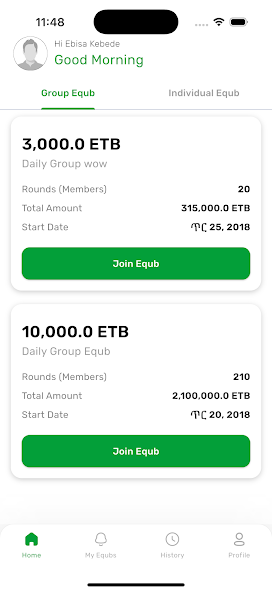
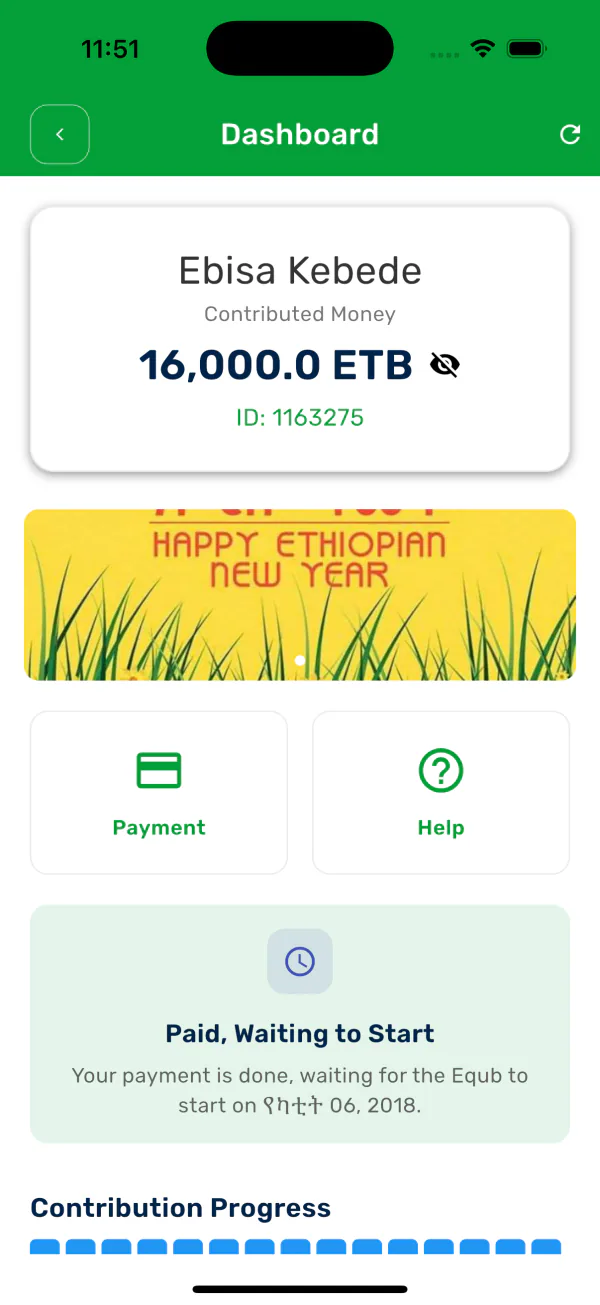
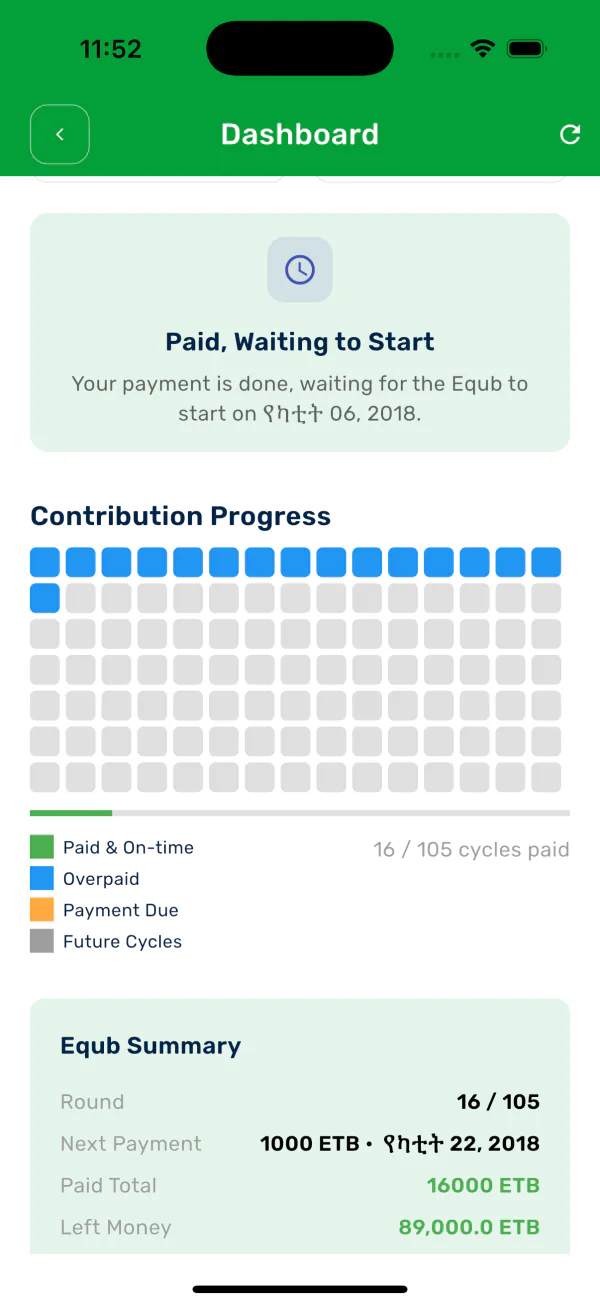
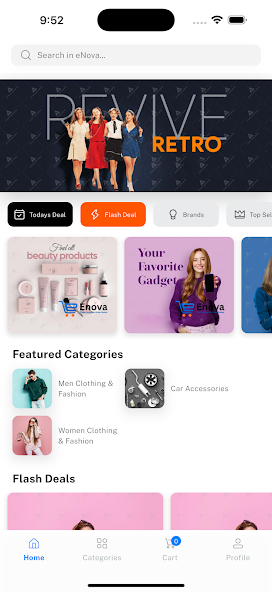
We develop Android and iOS apps for startups, companies, institutions, and digital businesses, including e-commerce, ride-hailing, Equb, education, booking, delivery, marketplace, ERP-connected, internal business, and fully custom applications.
Can DreamTech develop the backend and admin dashboard too?
Yes. When included in the scope, we can deliver the mobile app, backend, database, APIs, web-based administration dashboard, integrations, and production infrastructure.
Can you connect an app with our ERP, website, or other business system?
Yes, if the existing platform offers suitable APIs or another supported integration method. We review access, data flows, security, and operational ownership before confirming the integration scope.
Can DreamTech take over an existing mobile application?
Yes. We first review its source code and infrastructure, then recommend whether to continue with the current codebase, upgrade it, or rebuild specific components.
Will I receive the source code?
Source-code ownership and handover are defined in the project agreement. For projects sold with full ownership, the agreed code and assets transfer after applicable contractual and payment requirements are completed.
Do you provide maintenance after launch?
Yes. Separate maintenance and SLA arrangements can cover bug fixes, updates, monitoring, compatibility, security maintenance, and ongoing support according to the required service level.
How long does mobile app development take?
A focused MVP usually takes around 4–8 weeks. Larger apps, multi-role platforms and complex integrations require a separate phased estimate. After reviewing your requirements, we provide estimated project stages, delivery milestones, dependencies and a release plan.
How will I review progress during development?
We agree review points and demonstrate working stages of the app. You can check the customer journey, admin tools and integrations against the agreed acceptance criteria before approving the next milestone. Feedback and scope changes are documented.
How do you test app quality and security?
Testing is scoped around the app's risks and main workflows: authentication, permissions, APIs, payment states, device compatibility, interrupted networks and performance. We agree release checks and resolve the identified launch-blocking issues before the pilot.
What should I prepare for payments, OTP and app-store launch?
For Chapa, the client needs a business license and suitable provider access. Ethio telecom or Safaricom OTP depends on the agreed provider setup. Google Play and Apple releases need client-owned developer accounts; organization enrollment may require D-U-N-S preparation. We plan these dependencies from Day 1 and record provider fees, approvals and responsibilities in the scope.
Ready to Build?
Have an App Idea? Let's Build It.
From napkin sketch to app store listing — our team handles design, development, testing, and launch. Tell us what you want to build, the problem you want to solve, and the features you need. We will help determine the right technical approach.
The mobile development solution covers an executable product and the services required behind it. It fits teams that have a validated direction and need mobile engineering, backend APIs, data storage, authentication, integrations, quality assurance, deployment, monitoring, and structured post-release support.
Engineering scope
A build estimate connects screens to API operations, roles, data entities, business rules, notifications, device capabilities, administration, audit records, and external providers. Non-functional expectations for security, performance, availability, privacy, and maintainability are documented alongside features.
Release responsibility
The delivery plan names owners for Apple and Google accounts, certificates, production environments, domains, provider credentials, privacy information, store review responses, analytics, crash reporting, backups, and incident communication. Access is transferred through controlled organizational accounts.
Operational acceptance
Acceptance covers real-device scenarios, permissions, interrupted networks, account recovery, integration failures, administrative workflows, monitoring, restoration, and support handover. A product is ready when both end users and the operating team can complete their responsibilities reliably.
Free project consultation
Ready to Start Your Project?
Book a free consultation to discuss requirements, constraints, delivery options, and the information needed for a scoped proposal.