Logistics

PeaceRide

  • New project
  • Website case study
  • Live website
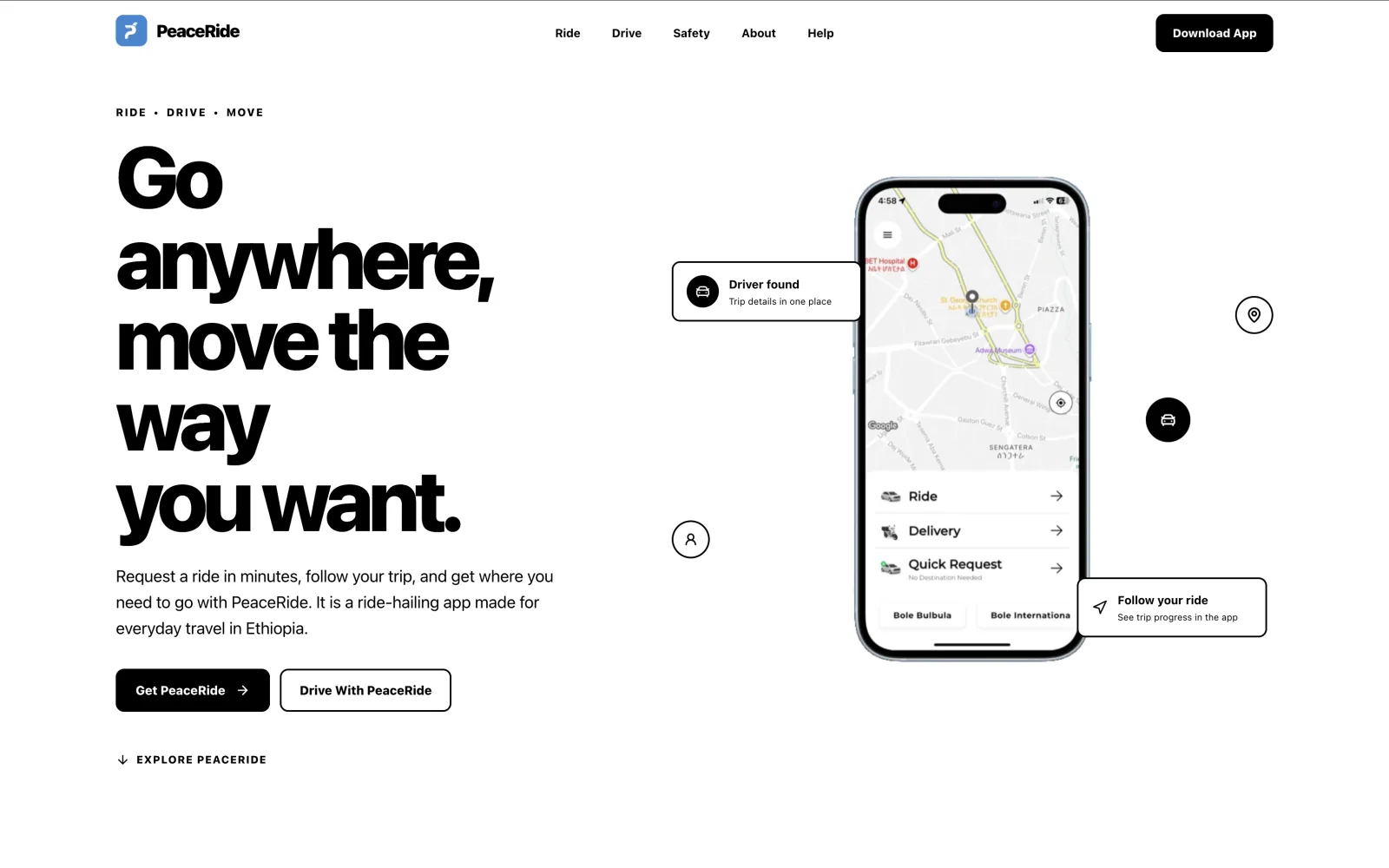
Go anywhere, move the way you want.PeaceRide needed a clear digital home for riders, drivers, and everyday mobility services in Ethiopia. We created a bold, app-focused website that introduces the platform, explains the ride experience, and guides visitors toward the right next step.
peaceride.et
PeaceRide website home page

Website quality we achieved using Lighthouse

Website quality achieved using Lighthouse

Performance

Accessibility

Best Practices

SEO

From business goal to usable website

  • Addis Ababa
  • Ride Hailing
  • Website
  • Ride App
  • Telebirr Integration

Ride

Passenger journey
Drive

Driver onboarding

App

Download pathway

PeaceRide logo
Logo and brand identity

peaceride.et

Try Online

Background

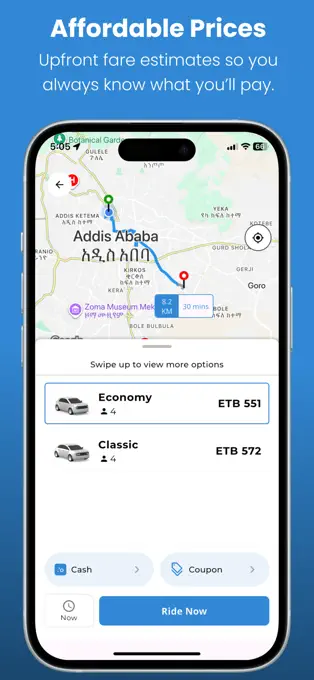
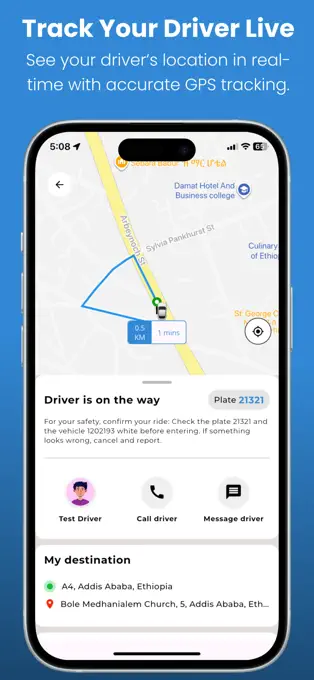
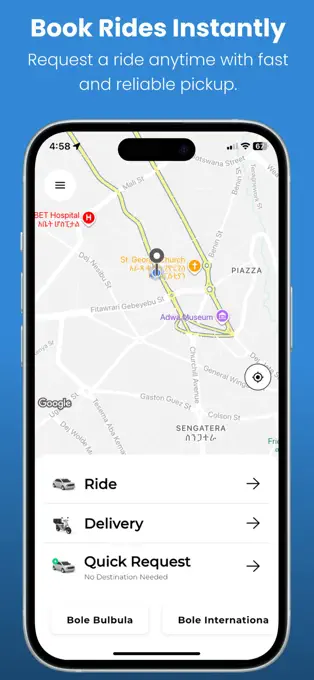
PeaceRide is a ride-hailing service in Ethiopia, based in Addis Ababa, that runs on two mobile apps: Peace Ride for passengers and Peace Driver for drivers. The apps, a Telebirr integration, and this public website were all part of DreamTech's work for PeaceRide; the apps are covered in their own case study, and this one focuses on peaceride.et.

A ride-hailing website has a narrow but important job. It is where a curious passenger checks that the service is real and safe, where a prospective driver looks for a way to join, and where both are sent on to the right app.

Challenge

The platform needed to explain its rider and driver journeys quickly while keeping app downloads easy to find.

Two audiences, two apps

Passengers and drivers install different apps, so a single generic download link risked sending people to the wrong one.

The idea in a few screens

Many visitors arrive on a phone. How to request a ride and what happens next had to come across in a handful of short sections.

Safety on the record

A transport service has to address safety openly, for the people riding and the people driving.

Support outside the app

Visitors with questions needed an obvious place to find help, whether or not they had installed anything yet.

Methodology & Approach

We built the structure around two verbs: Ride and Drive. Each has its own section with messaging aimed at that audience, and each ends in the action that audience needs, getting the passenger app or joining as a driver. Safety, About, and Help sit beside them in the navigation, with Download App kept as the standing call to action.

Visually, the site stays close to the product: short sections, strong headlines, and layouts that keep the app front and center on a small display.

  • Audience split at the topRide and Drive are the first two items in the main navigation.
  • One action per pathPassengers are directed to the rider app, and drivers to onboarding.
  • Safety as its own sectionSafety guidance has a dedicated page instead of a line in the footer.
  • Lean pagesPages were kept light, and the site recorded a Lighthouse performance score of 100.

Solution

We built a responsive product website with focused messaging, clear service paths, and prominent rider and driver calls to action.

Passenger, Prospective driver, Visitor with questions use peaceride.et. peaceride.et: Sends passengers to Peace Ride app; Links to downloads of Peace Driver app.UsesSendspassengers toLinks todownloads of

Passenger

Person

Learns how a ride works and gets the Peace Ride app

Prospective driver

Person

Reads the Drive section and starts driver onboarding

Visitor with questions

Person

Reads safety guidance, Help and About before installing

peaceride.et

Software system

Ride-hailing site that routes riders and drivers to their apps

Peace Ride app

External system

Passenger app on Google Play and the App Store

Peace Driver app

External system

Driver app on Google Play and the App Store

Rider section

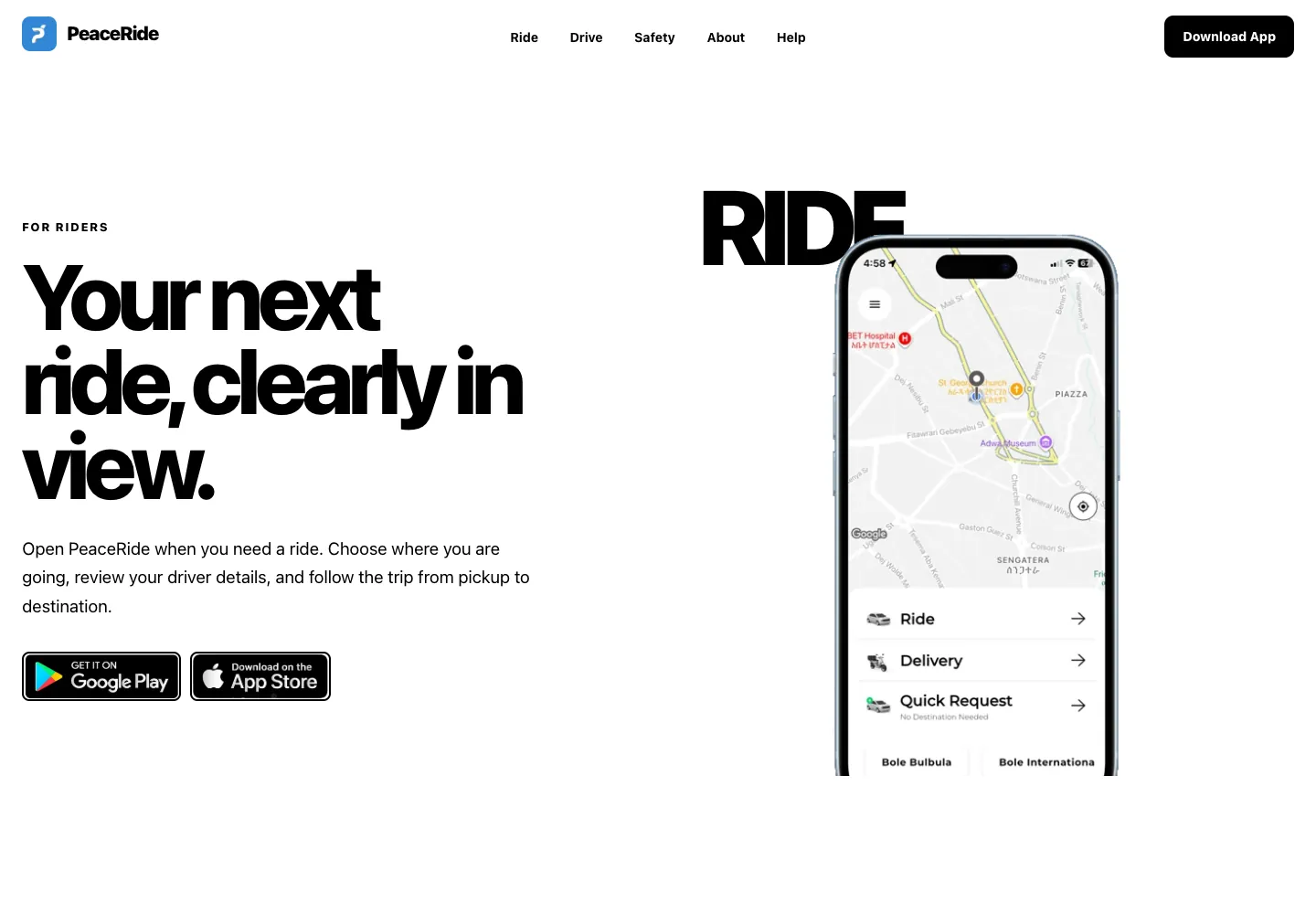
The Ride section walks passengers through the PeaceRide experience and closes with a route to the passenger app.

  • An overview of how a ride works
  • Calls to action to get the Peace Ride app

Driver section

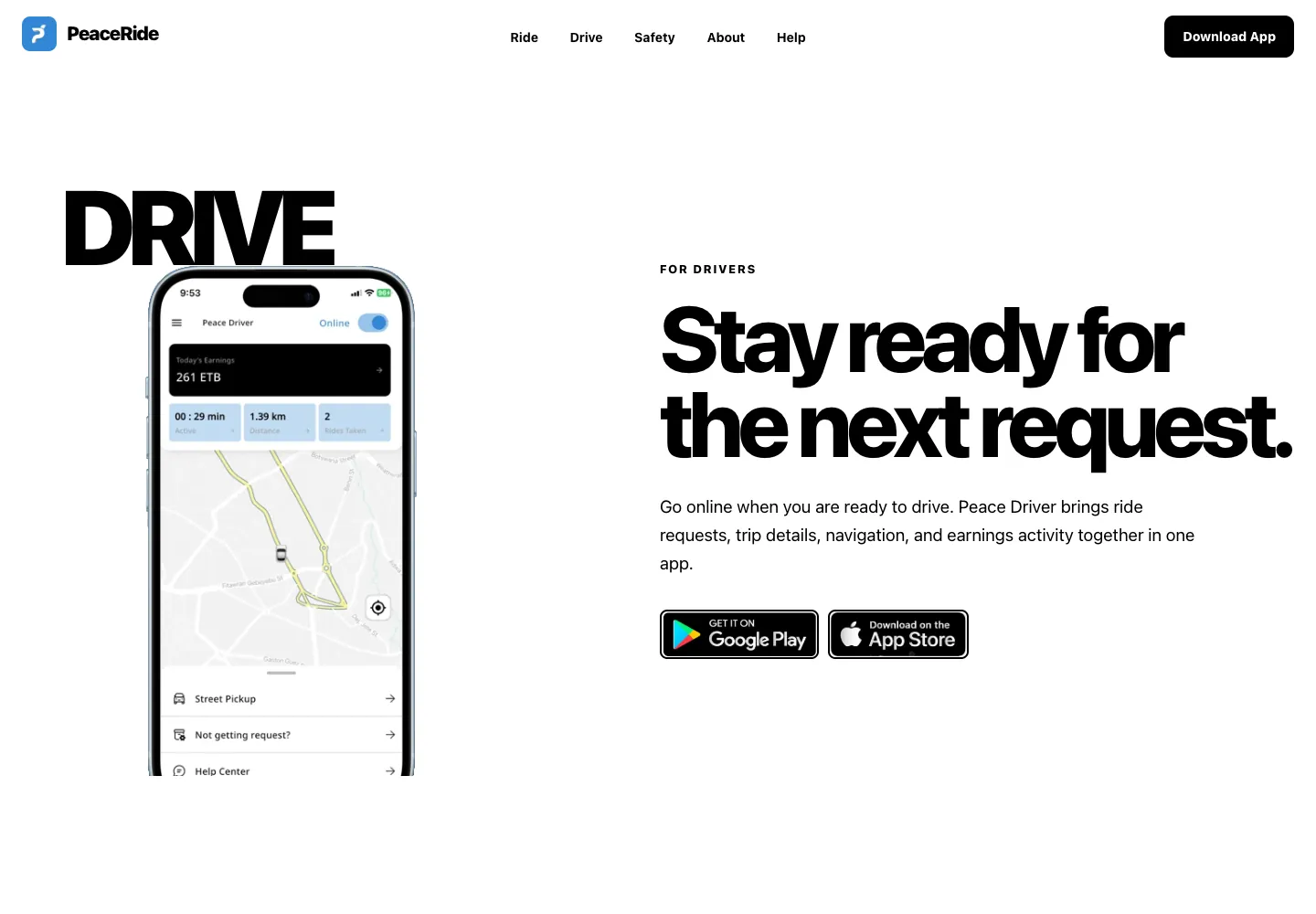
A separate Drive section speaks to prospective drivers and leads them into onboarding.

  • Messaging written for drivers rather than passengers
  • A clear join path for new drivers

Safety page

Trip guidance for riders and drivers is gathered on one dedicated page.

Download App call to action

Download App stays in the main navigation, giving visitors a constant route to the PeaceRide apps.

Help and About

Help and About pages give visitors a place to find support and to learn about the company behind the service.

Design, visibility, speed, and action

The case study documents delivered capabilities. It does not present unverified sales or traffic growth as fact.

UX and responsive design

A clear page hierarchy and adaptable layouts for desktop, tablet, and mobile visitors.

Technical SEO foundation

Search-friendly structure, semantic content, metadata, and crawlable navigation patterns.

Performance-minded delivery

Optimized media, reserved image space, and lean interaction patterns designed to reduce friction.

Conversion pathways

Prominent calls to action that guide visitors toward enquiries, downloads, applications, or purchases.

Review the website home page and any additional live pages captured during the latest portfolio review.
peaceride.et
PeaceRide website home page
Website home page
peaceride.et
PeaceRide rider website experience
Rider experience
peaceride.et
PeaceRide driver website experience
Driver experience

Project Results

At peaceride.et, PeaceRide has a public front for its apps that sends each visitor down the path that fits them.

  • Passengers can learn how PeaceRide works and go straight to the rider app.
  • Would-be drivers can find a dedicated Drive section and begin onboarding.
  • Riders and drivers can read safety guidance before their first trip.
  • Help and company information are open to visitors who have not installed an app yet.
  • Visitors can reach an app download from the main navigation on any page.

More Case Studies

Peace Ride

We built Peace Ride, a ride-hailing platform for Ethiopia with passenger and driver apps, real-time map-based booking, and verified drivers for safer everyday transport.

  • Mobile development
  • Web development
  • Custom development
  • Logistics
  • Ride hailing

Fleet Management System

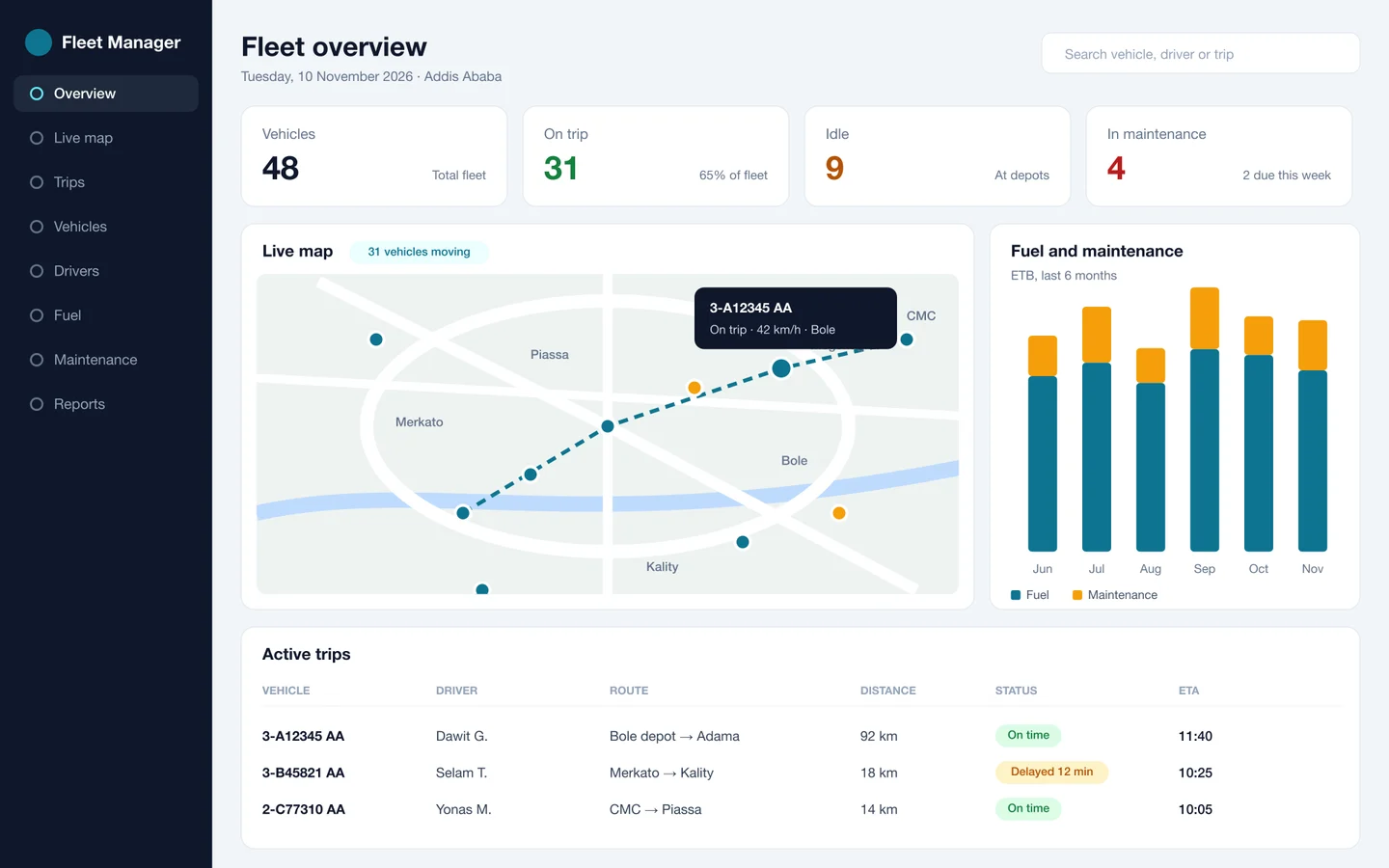
We deliver GPS-enabled fleet management with live vehicle tracking, route planning, dispatch, a driver mobile app, and a delivery-status portal for customers.

  • Custom development
  • Mobile development
  • Integration services
  • Logistics
  • IoT

Electric Minibus Smart Fare

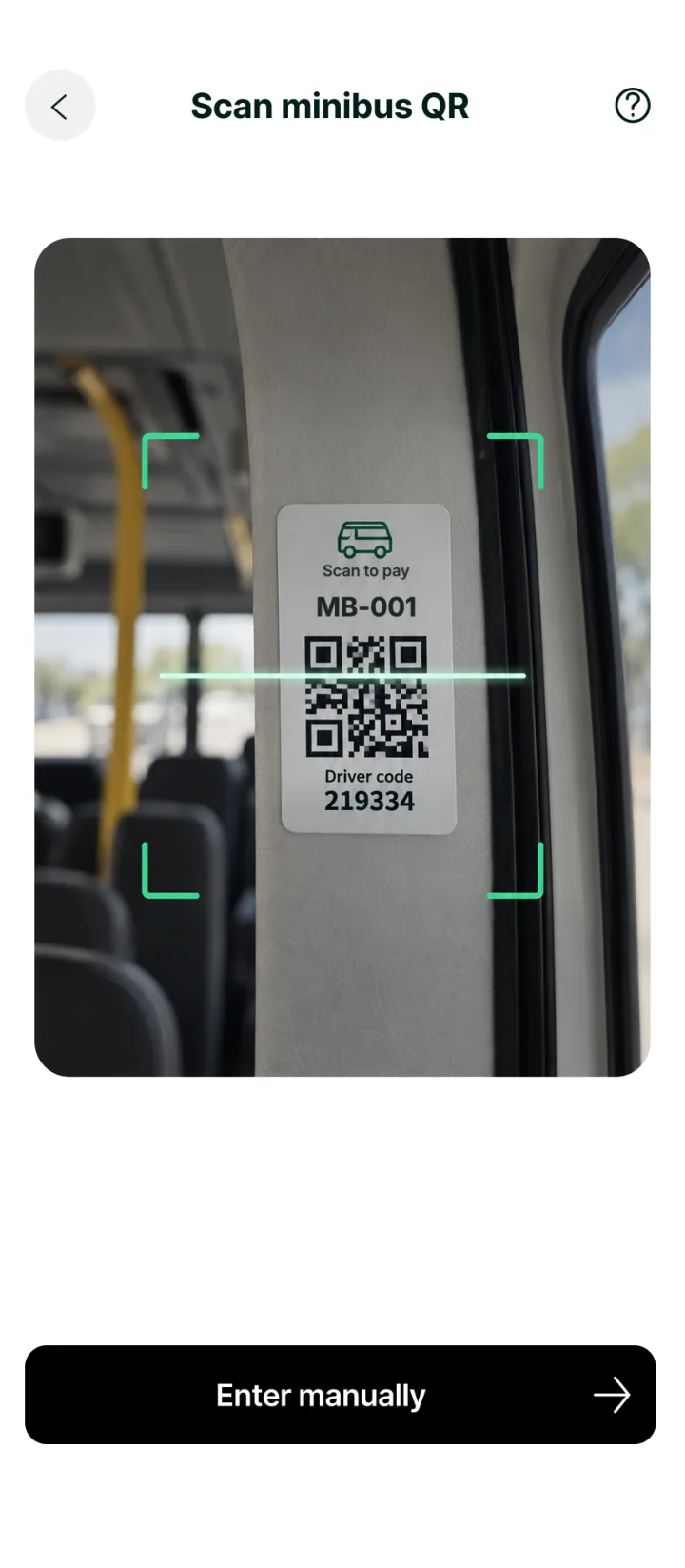
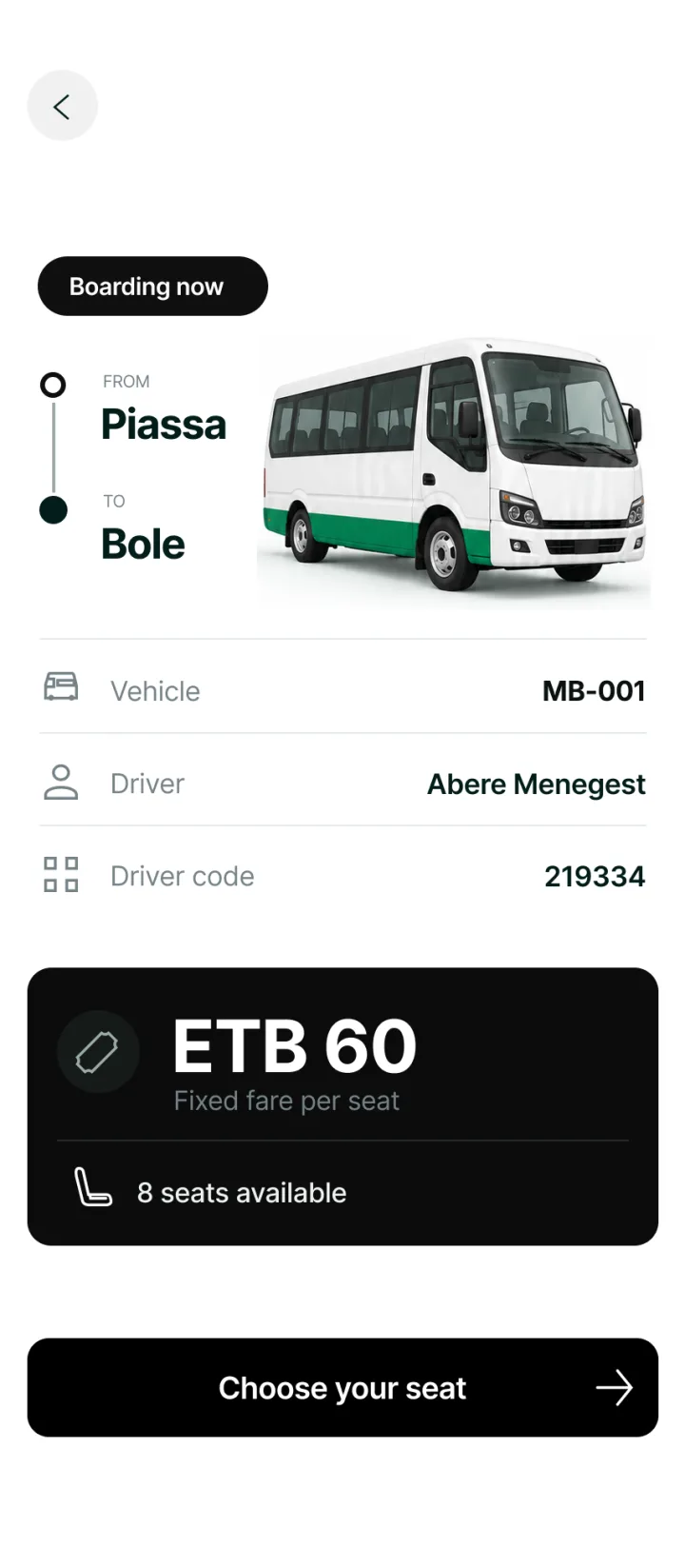
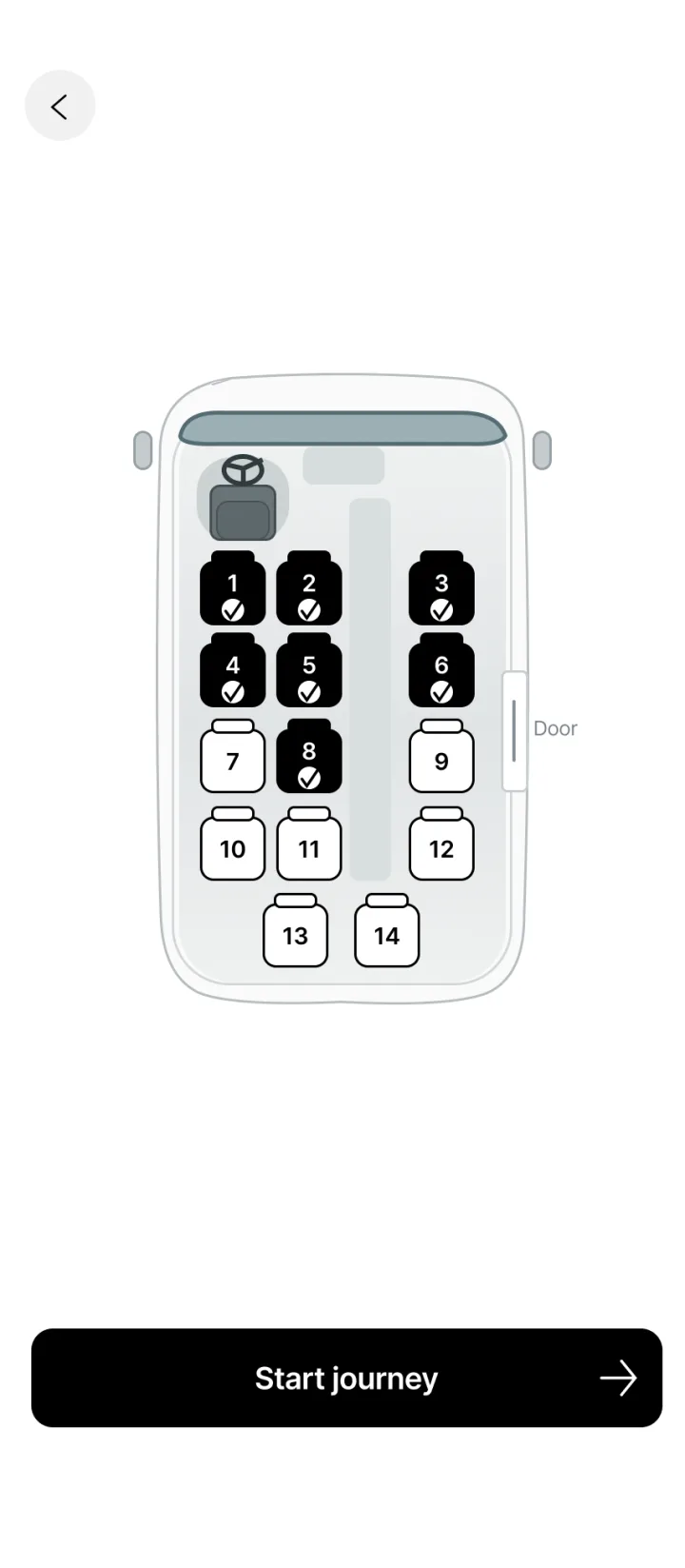
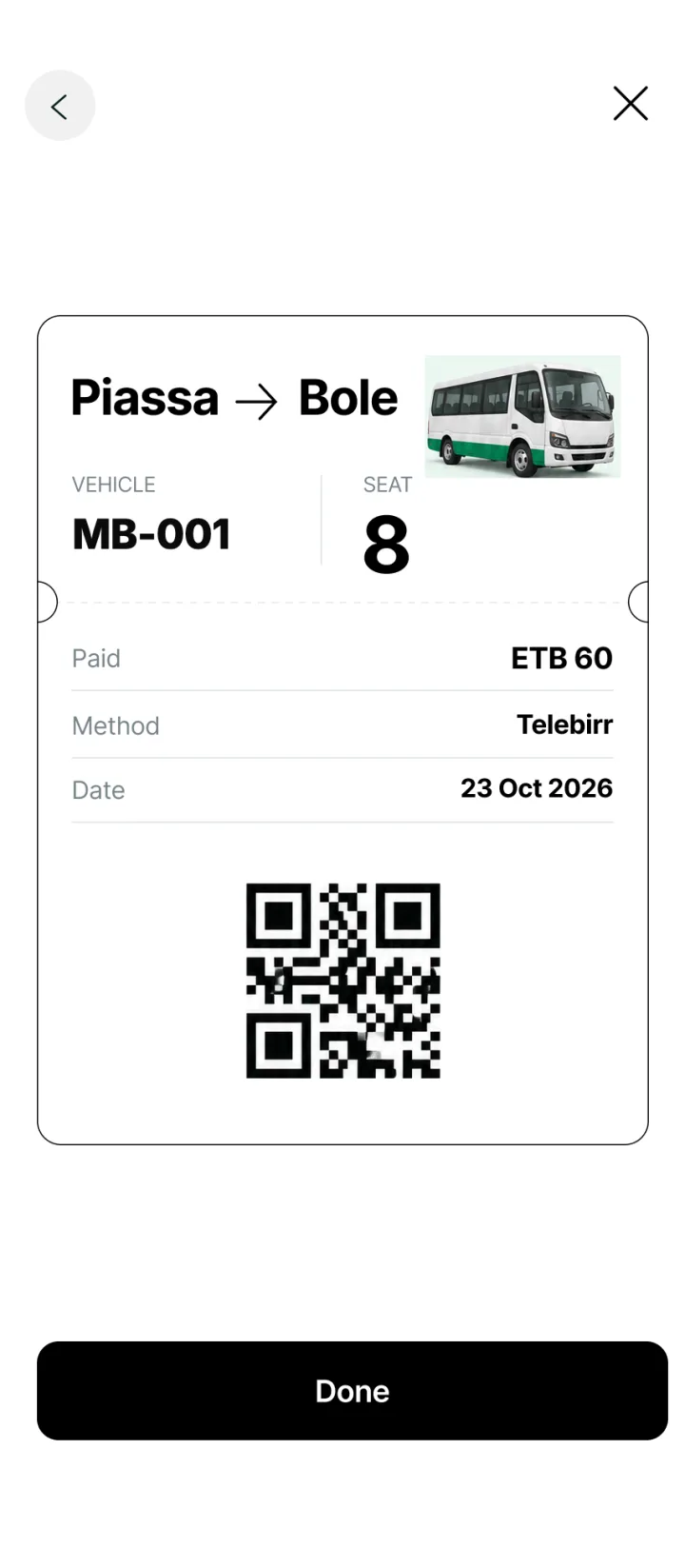
We designed a smart fare system for an electric minibus fleet in Addis Ababa: passengers scan a QR code, pick a seat, and pay in a Telebirr mini app, while drivers see confirmed payments live.

  • IT Consulting
  • Mobile development
  • Web development
  • Integration services
  • Logistics
  • Smart fare
All case studies

Before Signing: Questions Every Client Should Ask

Questions about your next website project.

Yes. Your company owns the domain, and registration is managed through your company email.

Yes. We configure and deploy the project through accounts under your email during development, so you have control from the start.

Yes. We help create your GitHub account under your email, connect to your repository, and work from there. Your project lives in your repository during development; source-code transfer is part of handover.

Yes. Your company owns the database and website content, with access included in handover.

Yes. You receive full admin access and training. We provide a Google Docs handover document under your email covering account ownership, configuration, deployment, included features, and how to update the website.

Yes. Your accounts, repository, code, database, and documentation allow another developer to take over. Any third-party platform or license terms are identified in the proposal.

Yes. Backups run twice a day. Your handover explains backup storage, retention, and how to restore the website.

45 days after launch. We confirm the support contact and included work in your proposal.

DreamTech takes responsibility for responding to a website hack and handling recovery. The proposal records the incident contact, response process, and ongoing security arrangements.

Yes. Chapa integration is ETB 10,000 and Telebirr integration is ETB 35,000 when needed, each before 15% VAT. Telebirr requires more onboarding and integration testing. The written proposal confirms the checkout flow and final total.

Tell us what you want to build next

Share your goals, users, required platforms, integrations, and launch priorities. The form is preselected for this project type, and you can change it at any time.