Logistics

Fleet Management System

  • Web
  • Admin dashboard
  • Logistics
  • IoT
  • Fleet
GPS-enabled fleet management implementation overview with vehicle visibility, route planning, dispatch, driver, and delivery tracking workflows.
TechBehemoths Verification
GoodFirms Top Software Development Company 2025TechReviewer Top 100 Software Developers for Startups 2025
fleet management system
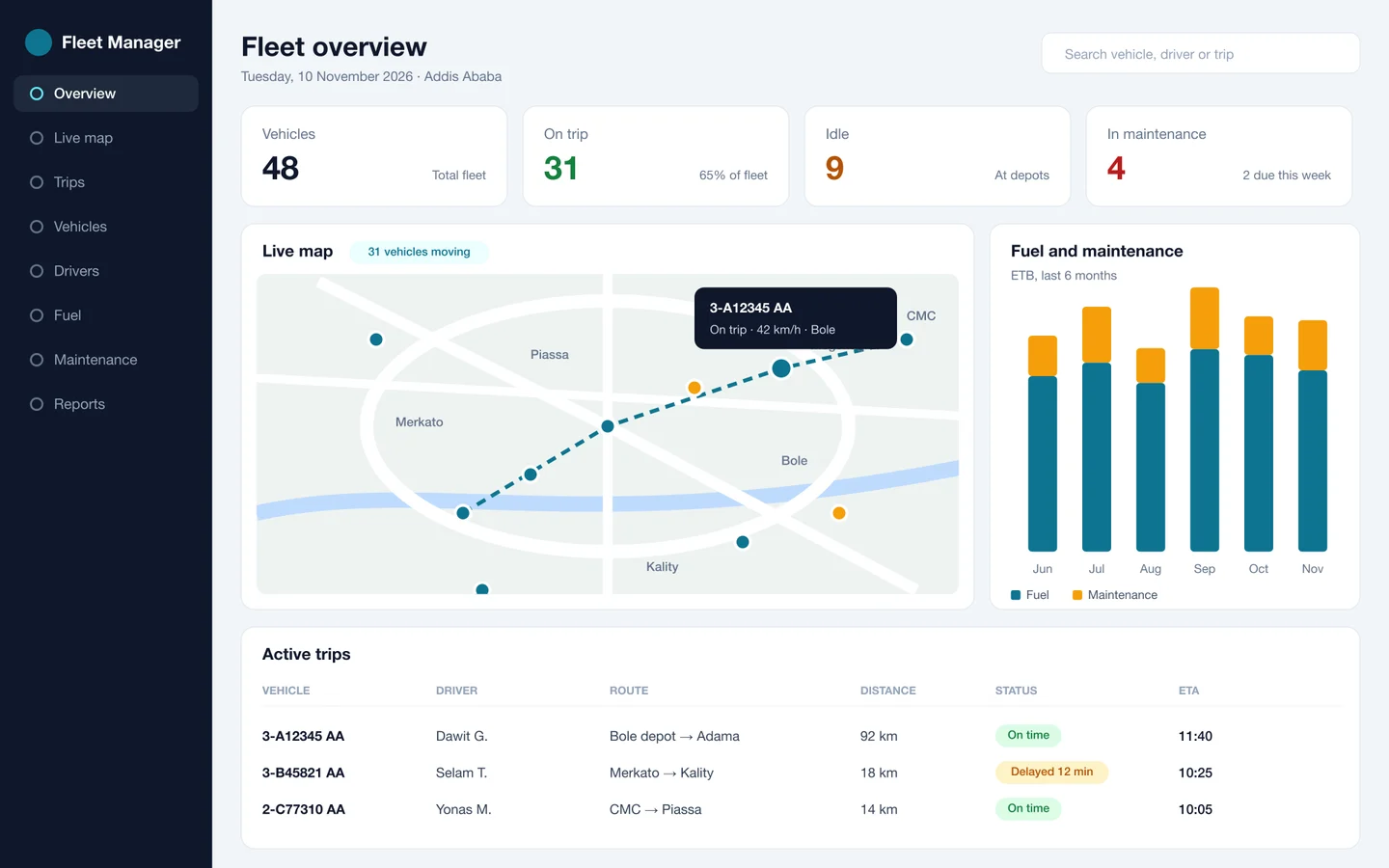
Fleet Management System Dashboard

Project Snapshot

Fleet
Vehicle visibility
Routes
Dispatch planning
Tracking
Delivery status

Background

Many transport and delivery operators still run their fleets by phone. Dispatchers call drivers to find out where they are, plan routes from experience, and field calls from customers asking when a shipment will arrive. Fuel and maintenance records sit in separate files, so managers see costs only after they have been incurred.

DreamTech delivers GPS-enabled fleet management for operators of freight, delivery and other commercial vehicles. The scope combines vehicle tracking, route planning, dispatch, a driver app and a status portal for customers. This page outlines that scope and our delivery method; it does not name a client or report measured savings.

Location data can come from IoT tracking devices fitted to the vehicles, with Google Maps providing the map layer that dispatchers, drivers and customers all look at.

Challenge

No visibility into fleet location, manual dispatching causing delays, excessive fuel costs from unoptimized routes, and no customer tracking.

Dispatch without live location

When dispatchers cannot see where each vehicle is, jobs go to whichever driver answers the phone instead of the one best placed to take them.

Routes planned by habit

Drivers follow familiar roads even when a better option exists, and fuel spend climbs with every unnecessary kilometer.

Proof of delivery on paper

Delivery confirmations, expenses and exceptions reported on paper or by phone reach the office late and are difficult to reconcile.

Customers calling for updates

Without a tracking link, every question about a delivery's whereabouts turns into a call to the operations team.

Methodology & Approach

We start by mapping how a job moves through the operation today: how orders arrive, how a vehicle and driver are chosen, what the driver does at pickup and drop-off, and what the customer is told along the way. Vehicle types, depots, service areas and maintenance routines are recorded at the same time.

Route planning is scoped with care. Depending on the operator's data, it can follow configured dispatch rules or use model-assisted suggestions, and we agree which approach suits the fleet before building it.

  • Operations mappingOrder intake, vehicle and driver assignment, pickup, drop-off and customer updates are documented step by step with the dispatch team.
  • Tracking and map setupTracking devices, connectivity and Google Maps usage are confirmed for the vehicles and service areas in scope.
  • Driver app pilotA first group of drivers uses the Flutter app on live routes, and their feedback shapes the version the rest of the fleet receives.
  • Customer portal releaseThe delivery-status portal is opened to customers once tracking data has proven reliable enough to share outside the company.

Solution

Fleet scope that can include GPS tracking, rules- or model-assisted route planning, dispatch workflows, a driver mobile app, and a customer-facing delivery-status portal.

Dispatcher, Driver, Fleet manager, Customer use Fleet Management System. Fleet Management System: Sends locations to GPS tracking devices; Gets map data from Google Maps; Uses cloud services from Firebase.UsesSendslocations toGets mapdata fromUses cloudservices from

Dispatcher

Person

Creates jobs, assigns vehicles and follows progress

Driver

Person

Gets jobs, navigates and confirms deliveries in the app

Fleet manager

Person

Reviews trip, fuel and maintenance records

Customer

Person

Checks delivery status on the tracking portal

Fleet Management System

Software system

Vehicle tracking, dispatch, route planning and delivery status

GPS tracking devices

External system

IoT trackers fitted to vehicles can supply their location

Google Maps

External system

Map layer seen by dispatchers, drivers and customers

Firebase

External system

Cloud services used by the platform

Live vehicle tracking

Each vehicle's position appears on a map for the dispatch team, together with its current status, such as loading, in transit, delivered or in maintenance.

Dispatch workflow

Dispatchers create jobs, assign them to available vehicles and drivers, and follow progress from the same screen.

  • Job creation and assignment
  • Driver and vehicle availability
  • Status updates sent from the field

Route planning

Rules-based or model-assisted route suggestions help dispatchers plan trips with fuel use and delivery time in mind.

Driver mobile app

Built in Flutter, the app gives drivers their assigned work and lets them report back without phoning the office.

  • Assigned jobs and stops
  • Route navigation
  • Delivery confirmation
  • Expense reporting

Customer delivery-status portal

Customers can check where a delivery is and when it is expected, which takes routine status calls off the operations team.

Fleet records

Maintenance scheduling, fuel records and driver performance information sit alongside each vehicle's trip history for fleet managers.

Implementation Overview

Scope Objectives

  • Identify manual and paper-based workflows that could be reduced
  • Define workflow improvements against agreed operational requirements
  • Define reporting and analytics requirements for decision support
  • Plan architecture and capacity around documented growth assumptions

Delivery Approach

  • Sprint cadence agreed during project planning
  • User training and documentation defined by scope
  • Phased rollout planning to reduce operational risk
  • Testing and release controls selected for the solution

Capability Scope

  • Fleet Vehicle visibility
  • Routes Dispatch planning
  • Tracking Delivery status
  • Deployment, rollback, monitoring, and handover planning
  • Maintenance and update scope defined by agreement

Technology Stack

Mobile

  • Flutter

Back-end

  • Python

Cloud services

  • Firebase

Maps & tracking

  • Google Maps
  • IoT

What the Solution Delivers

The fleet scope replaces phone-based coordination with shared, location-aware records. It enables:

  • A live map of vehicle positions and job status for the dispatch team
  • Jobs assigned on the dispatch screen and received in the driver app
  • Route suggestions based on configured rules or model assistance
  • Delivery confirmations and driver expenses recorded at the point of work
  • A status page customers can check instead of calling
  • Trip, fuel and maintenance history for each vehicle in one place

More Case Studies

Peace Ride

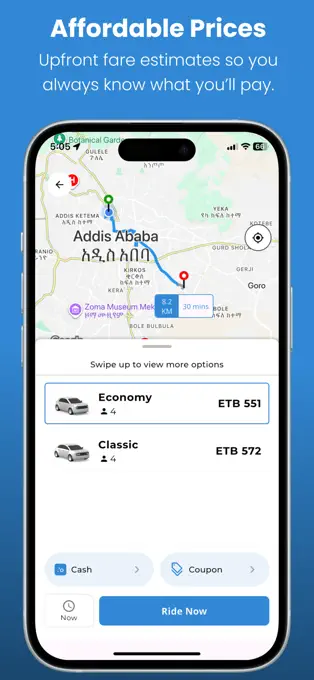
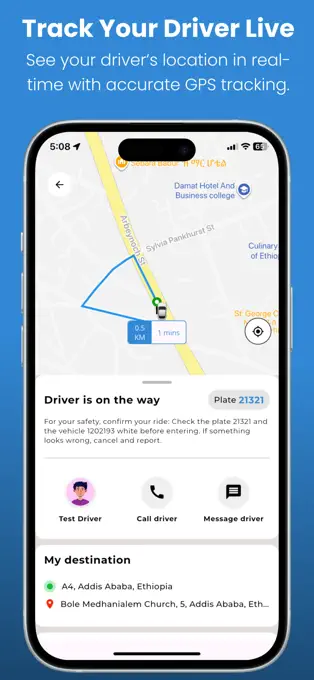
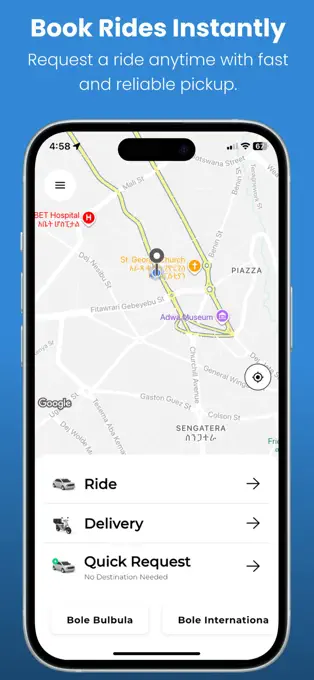
We built Peace Ride, a ride-hailing platform for Ethiopia with passenger and driver apps, real-time map-based booking, and verified drivers for safer everyday transport.

  • Mobile development
  • Web development
  • Custom development
  • Logistics
  • Ride hailing

Electric Minibus Smart Fare

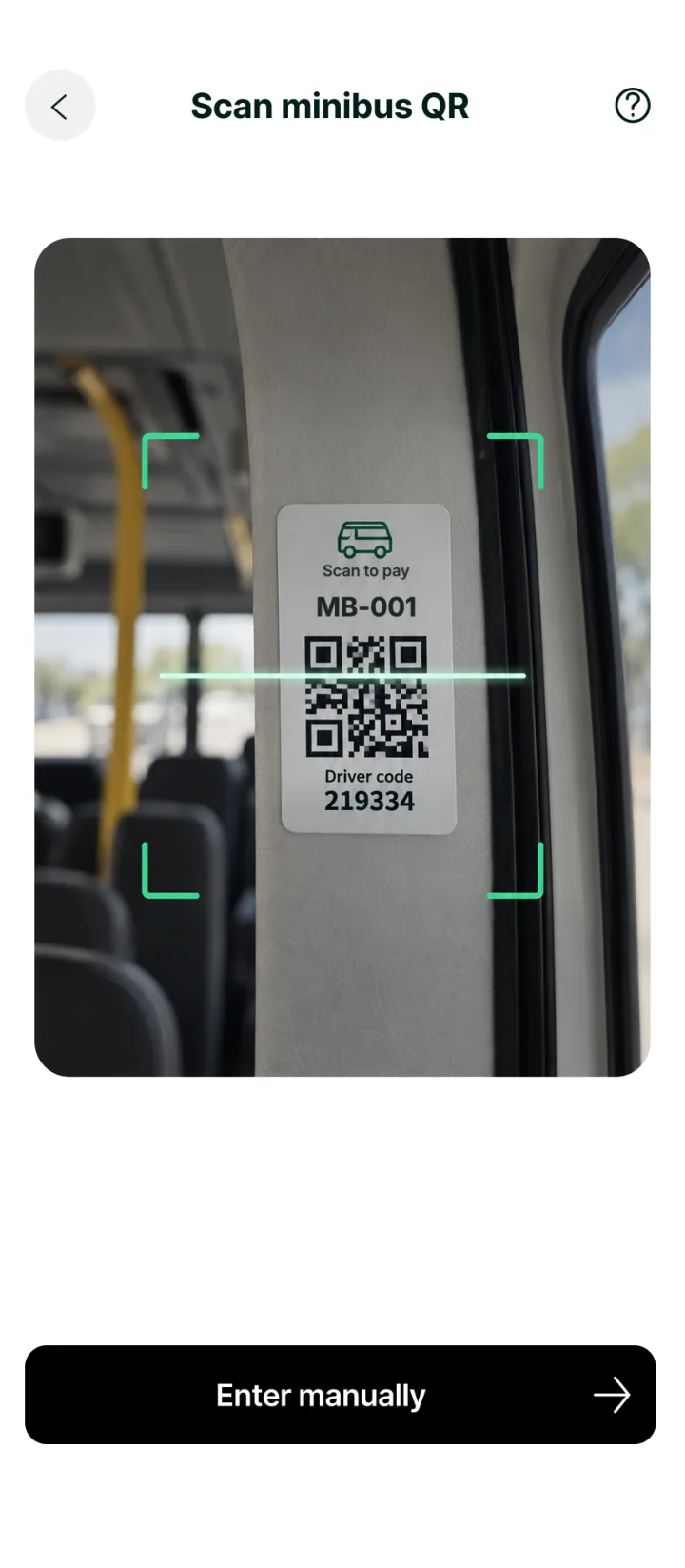
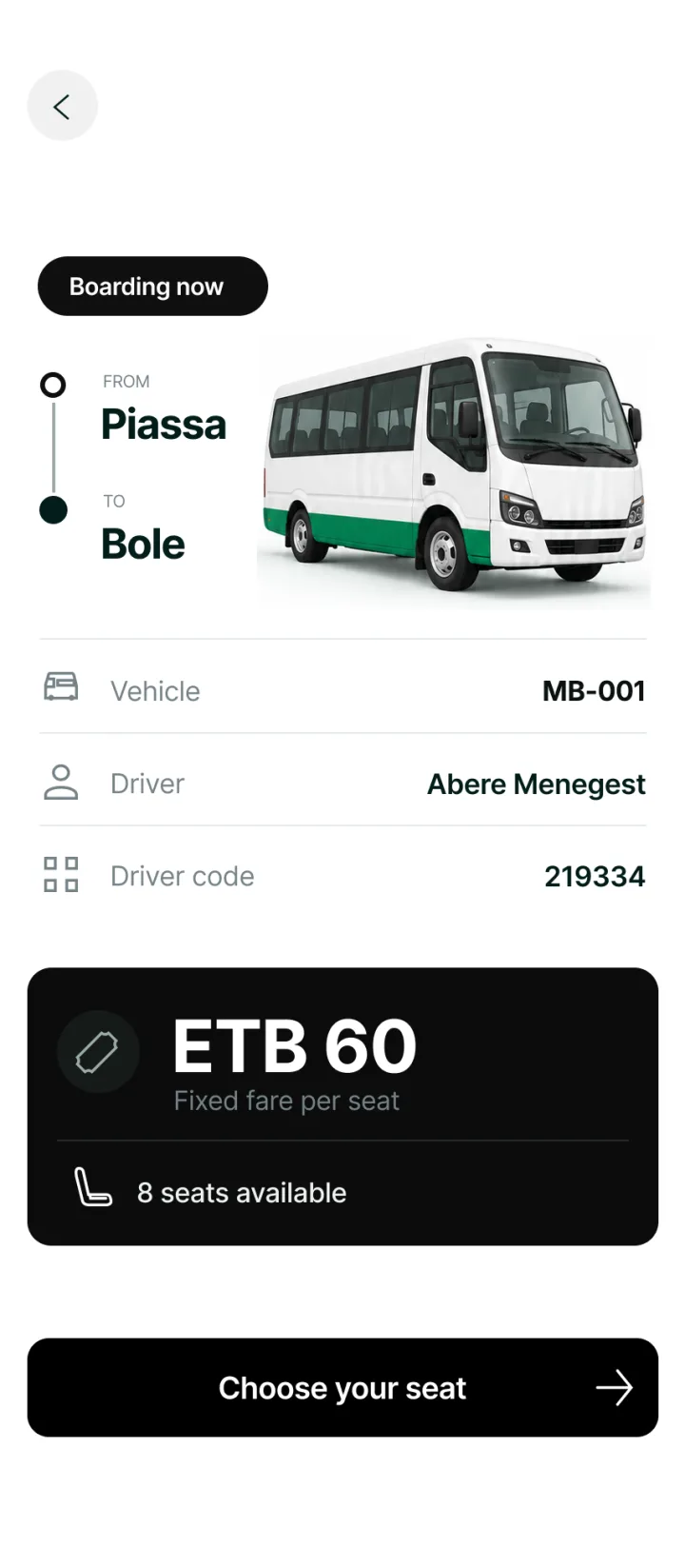
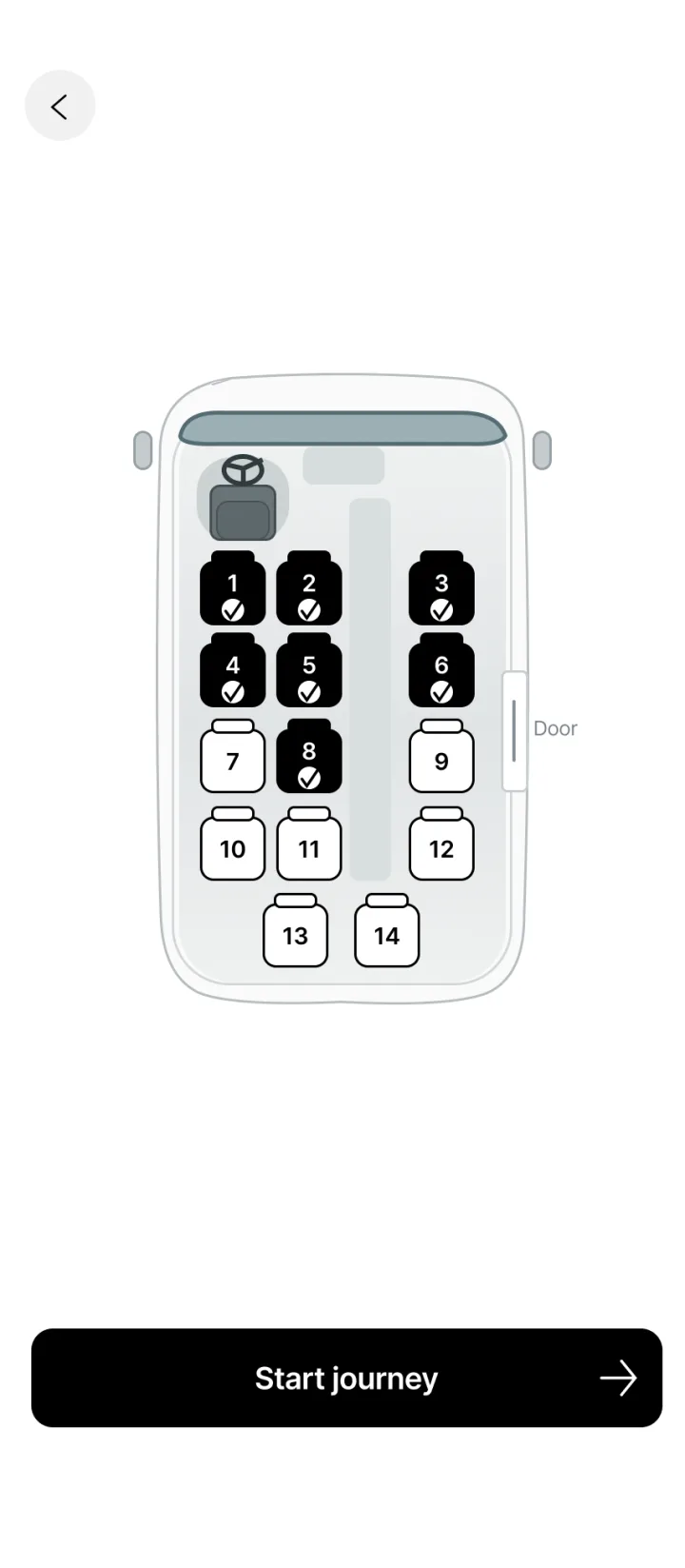
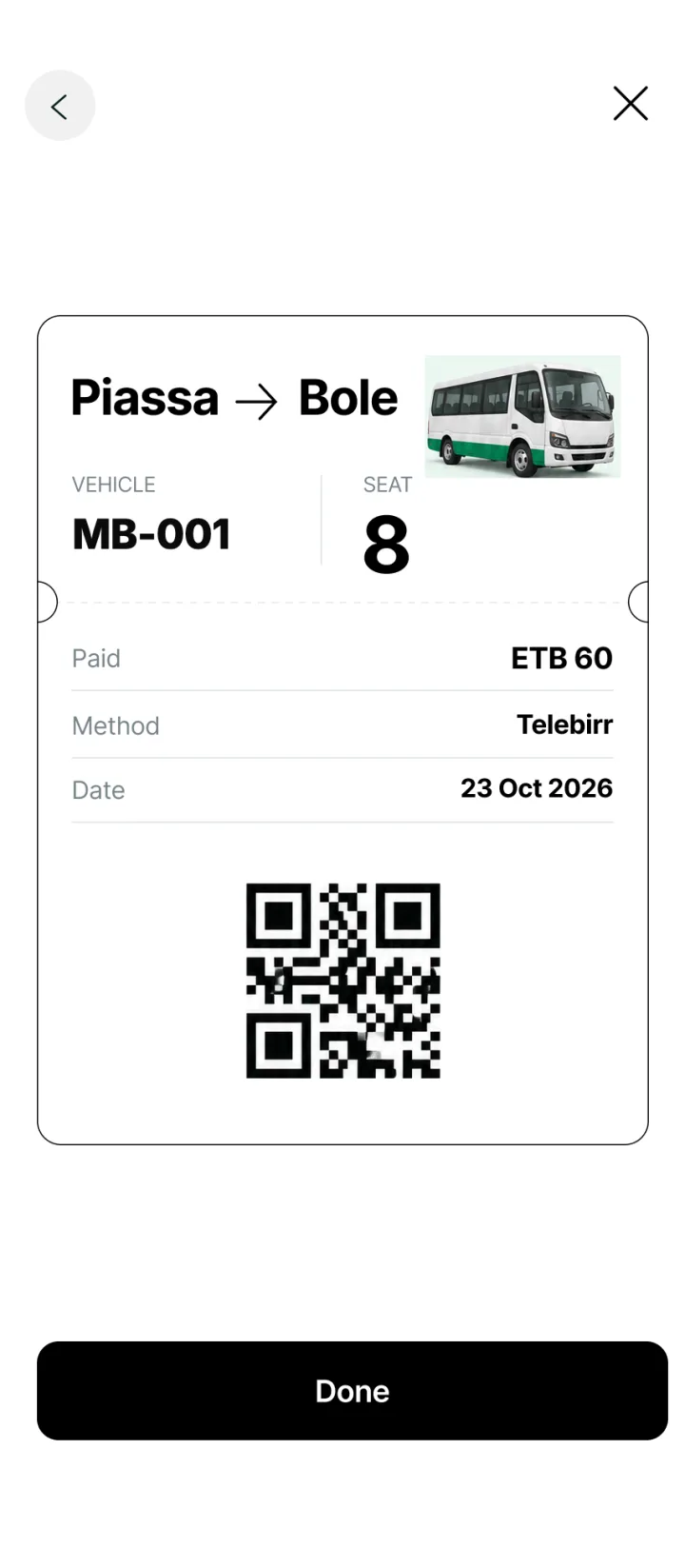
We designed a smart fare system for an electric minibus fleet in Addis Ababa: passengers scan a QR code, pick a seat, and pay in a Telebirr mini app, while drivers see confirmed payments live.

  • IT Consulting
  • Mobile development
  • Web development
  • Integration services
  • Logistics
  • Smart fare

PeaceRide

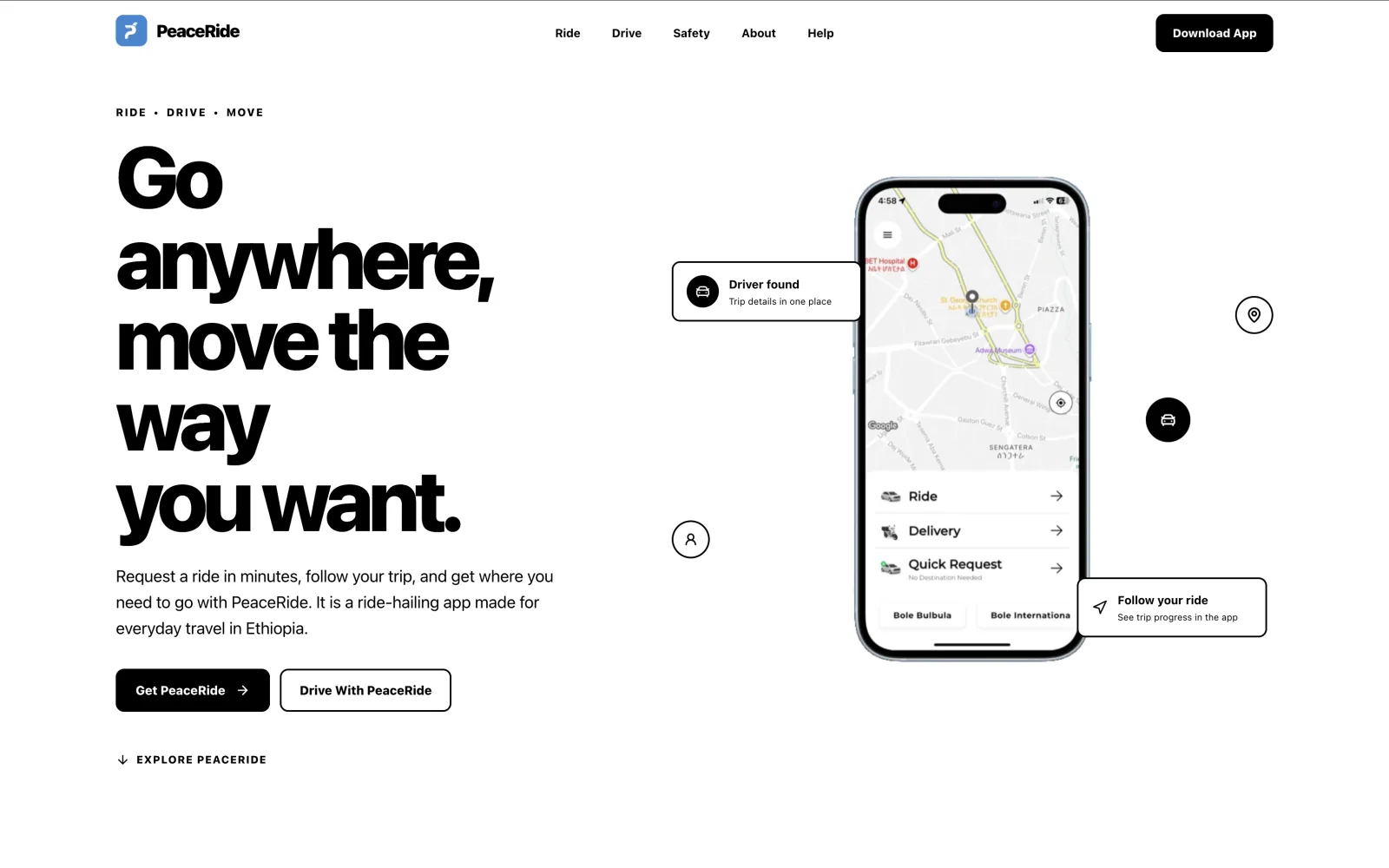
PeaceRide needed a clear digital home for riders, drivers, and everyday mobility services in Ethiopia. We created a bold, app-focused website that introduces the platform, explains the ride experience, and guides visitors toward the right next step.

  • Web development
  • Design
  • Logistics
  • Website
All case studies

Tell us what you want to build next

Share your goals, users, required platforms, integrations, and launch priorities. The form is preselected for this project type, and you can change it at any time.