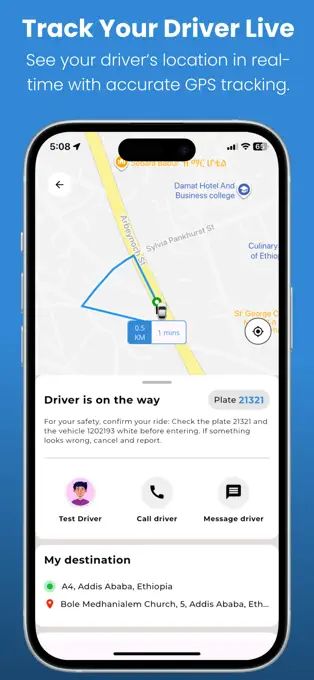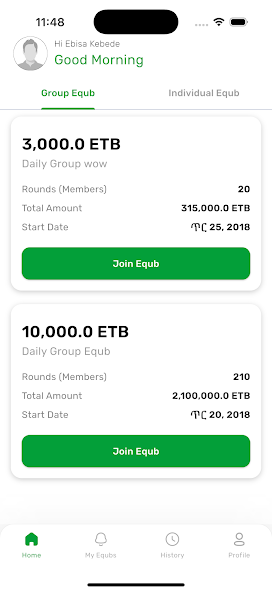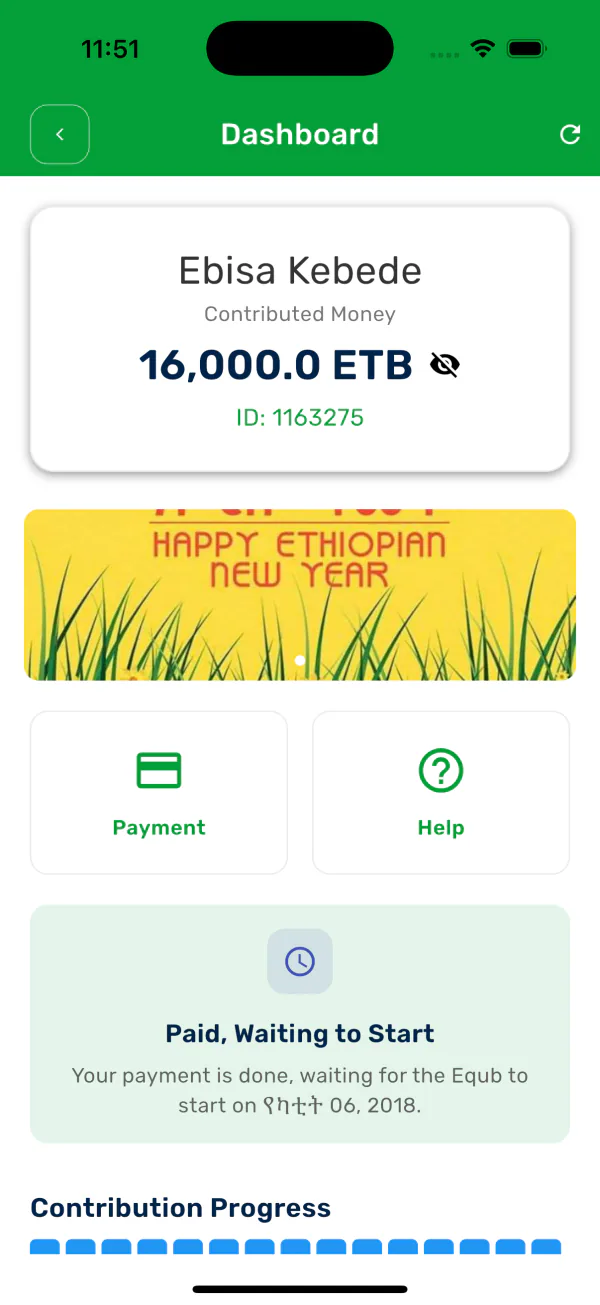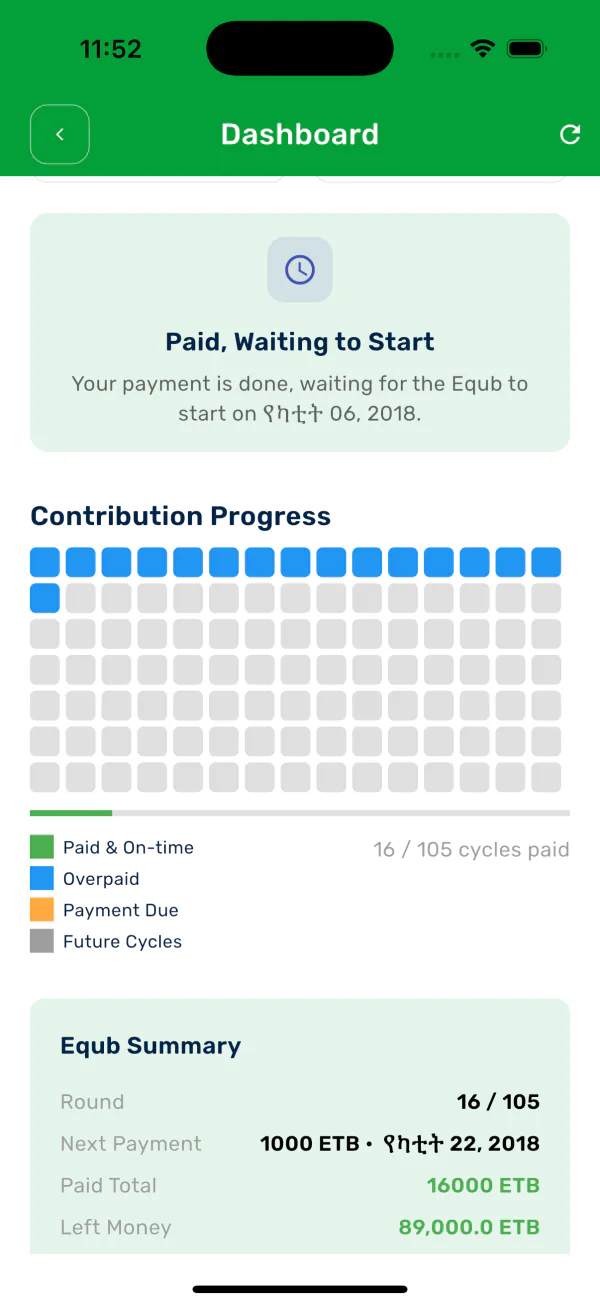


























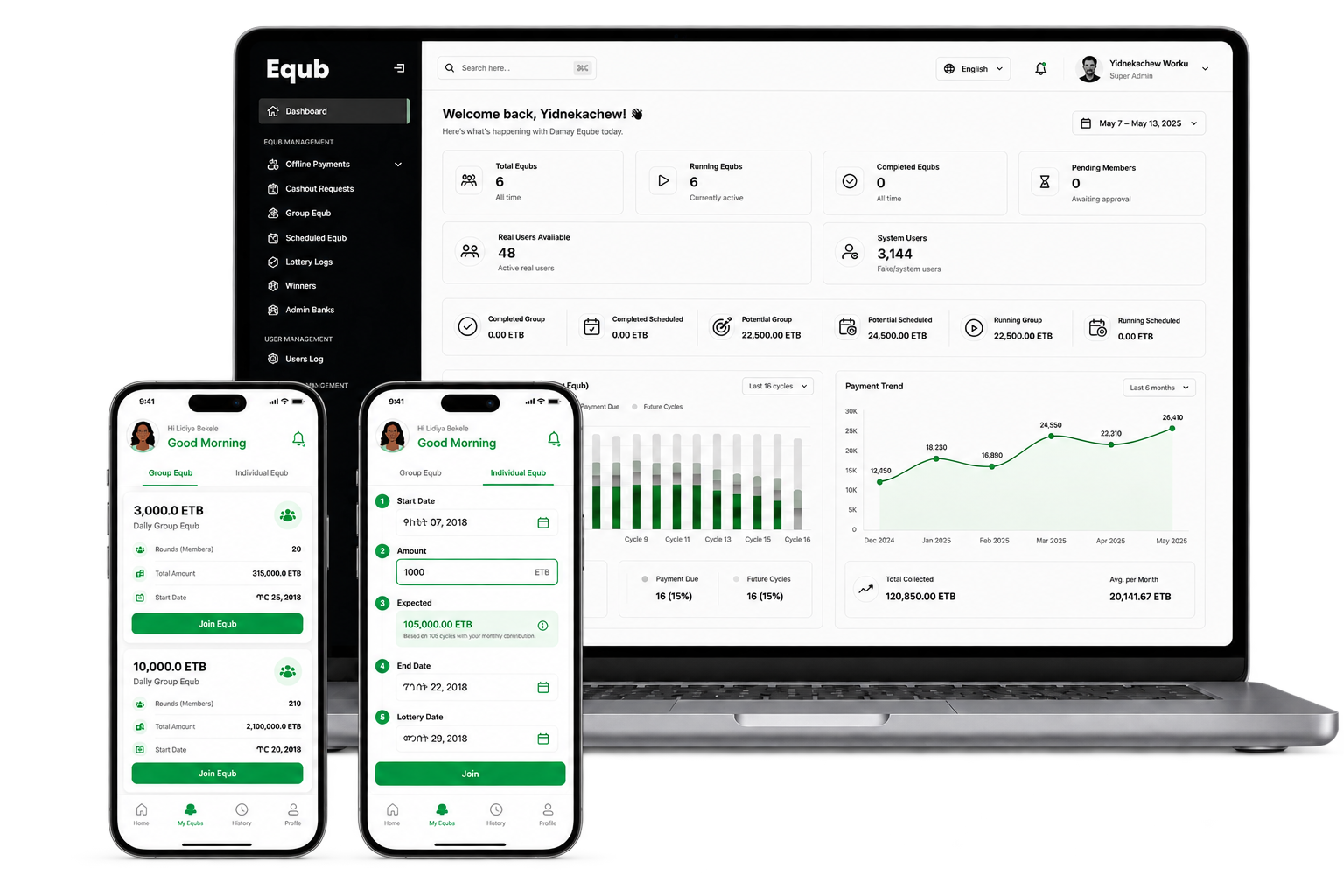
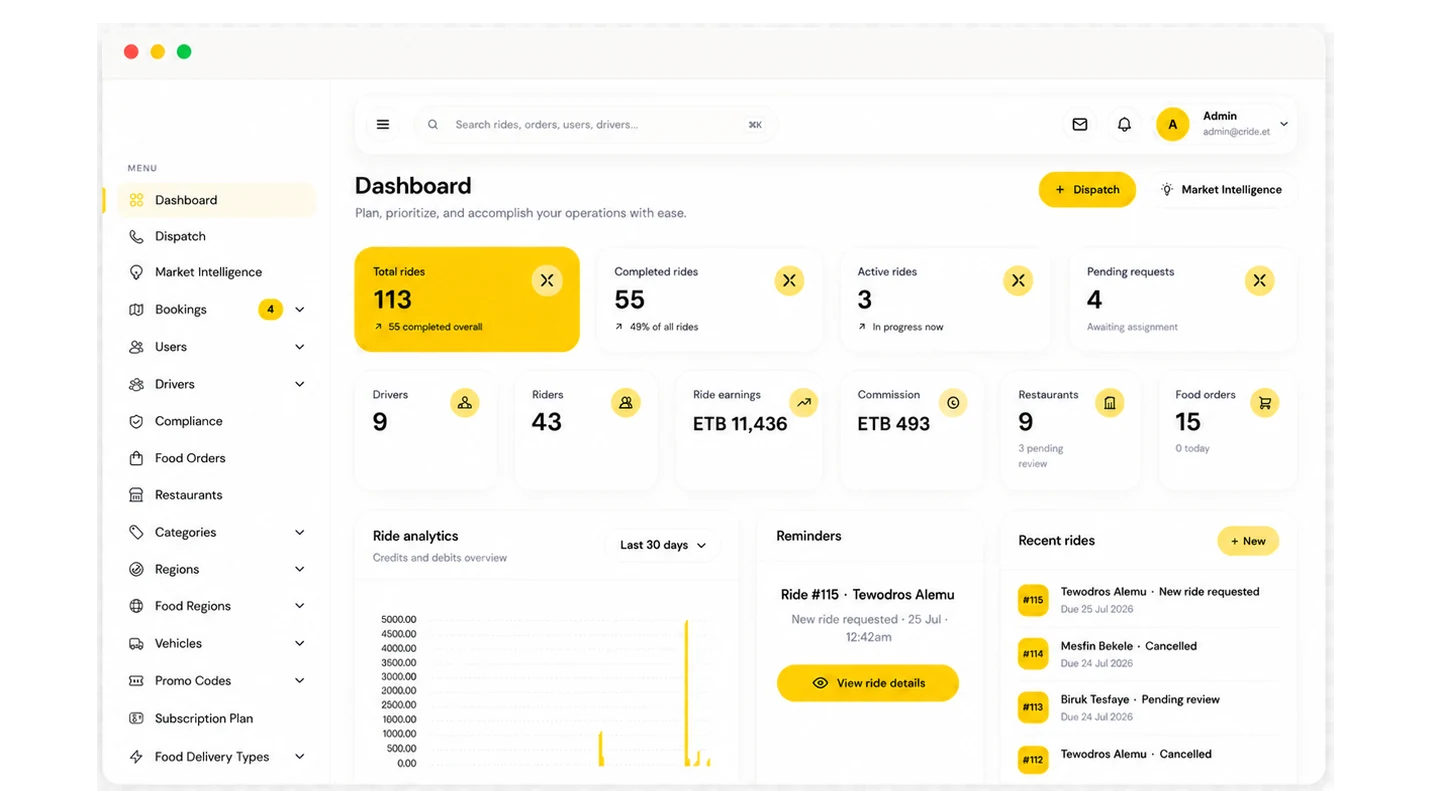
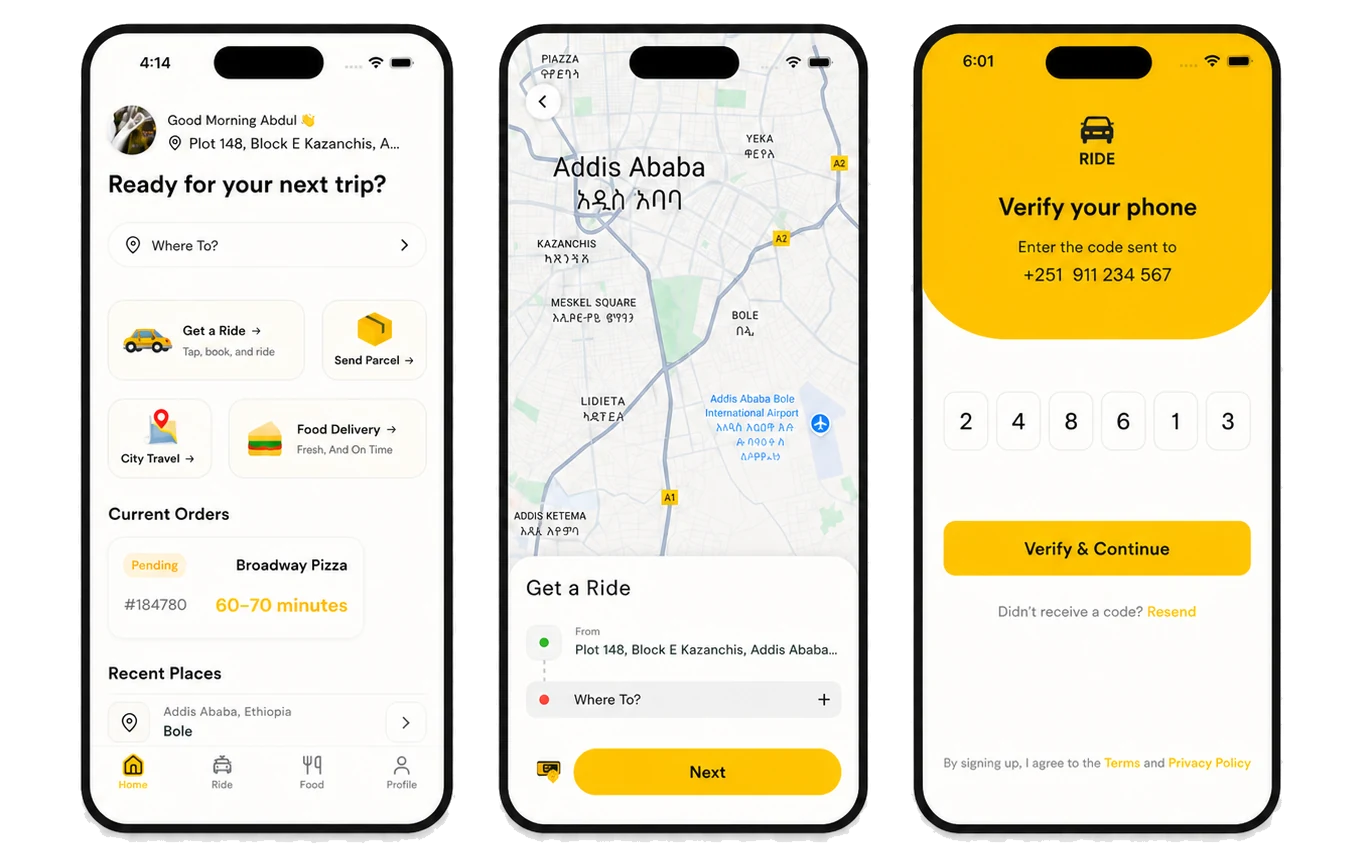
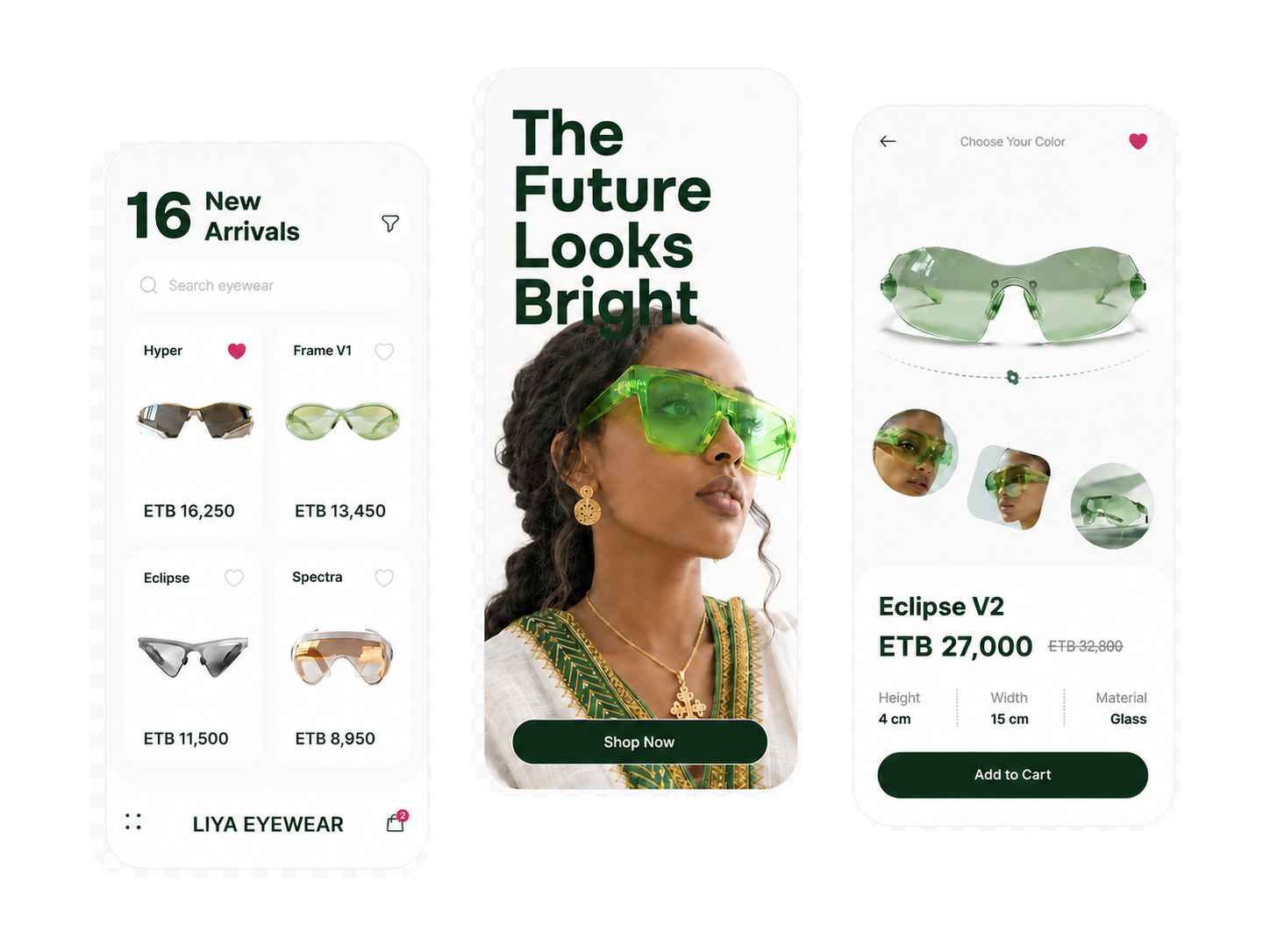
Professional UI/UX Design Services Across Ethiopia
Create digital products that users love. Our design team combines user research, modern design principles, and local market understanding to deliver intuitive interfaces that drive engagement and conversions. Delivery planning for organizations across Ethiopia can account for connectivity, device access, language, reporting, data migration, training, and remote support requirements. Capabilities and milestones are confirmed in the agreed scope.
Submitted details are used to respond to your inquiry. See our Privacy Policy.
DreamTech reviews project inquiries directly.
What We Deliver
Comprehensive capabilities designed to cover every aspect of your project requirements.
Project decision guide
Design for Ethiopia without treating one city as the national user
A service intended across Ethiopia needs research that considers regional workflows, language, literacy, devices, connectivity, accessibility, trust, and support access. This route helps teams plan representative discovery and validation without claiming that a small convenience sample describes every population or operating context.
For products with geographically diverse users
Use this approach when a portal, app, platform, or staff system will be used in several regions or field environments. Product teams should involve local facilitators and operational owners where appropriate, because remote stakeholders may misinterpret regional terminology, workarounds, authority, or the consequences of a failed task.
Coverage, translation, and remote-testing limits
Plan language adaptation, recruitment channels, consent, facilitator training, travel or remote access, device provision, low-bandwidth prototypes, and safe research-data transfer. Translation should preserve task meaning and tone, while findings should be reported by context rather than collapsed into one artificial national average.
Questions for multi-region design research
- Which regions and operating settings differ enough in service delivery, language, device use, or connectivity to require separate evidence?
- How will local facilitators recruit appropriate participants, protect consent, translate accurately, and report observations without leading responses?
- What core experience must remain consistent, and which content, assistance, input method, offline behavior, or workflow may adapt by context?
Validate a common core across selected contexts
Start with a research matrix tied to meaningful variation, test lightweight flows that work under realistic access constraints, and compare findings across contexts. Maintain one governed component and content system while documenting justified adaptations. Re-test high-risk changes with the users affected before generalizing them to the wider rollout.
National design evidence
- Research coverage and sampling limits are explicit, and regional findings remain traceable to their context.
- Priority flows are usable under agreed language, device, bandwidth, accessibility, and assistance conditions.
- The design system identifies universal rules, permitted adaptations, content ownership, and implementation verification steps.
Why Choose DreamTech?
Ethiopian Market Context
Requirements planning can account for local workflows, payment systems, infrastructure, and current regulatory obligations.
Agile Development Process
Sprint cadence, demonstrations, and feedback points are agreed for the project scope and stakeholder availability.
Scalable Architecture
Architecture is planned against expected users, data, integrations, availability, and growth requirements.
Post-Launch Support
Monitoring, maintenance, and update responsibilities can be defined in the agreed support plan.
Visible Project Portfolio
Review selected mobile, web, ERP, education, mobility, and business-system implementation pages.
Scoped Commercial Proposal
Pricing, milestones, assumptions, exclusions, and change handling are documented for the agreed project scope.
Frequently Asked Questions
Why is UX design important for my business?
UX design helps teams understand user tasks, reduce friction, validate journeys before development, and create more consistent and accessible interfaces.
Do you design for both web and mobile?
Yes. We design responsive web interfaces, native mobile app UIs, and cross-platform experiences that maintain consistency across all devices.
What design tools do you use?
We primarily use Figma for design and prototyping, along with tools like Adobe XD, Sketch, and InVision. All designs come with developer-ready handoff documentation.
Ready to Start Your Project?
Book a free consultation to discuss requirements, constraints, delivery options, and the information needed for a scoped proposal.
Submitted details are used to respond to your inquiry. See our Privacy Policy.