

























Professional UI/UX Design Services in Addis Ababa
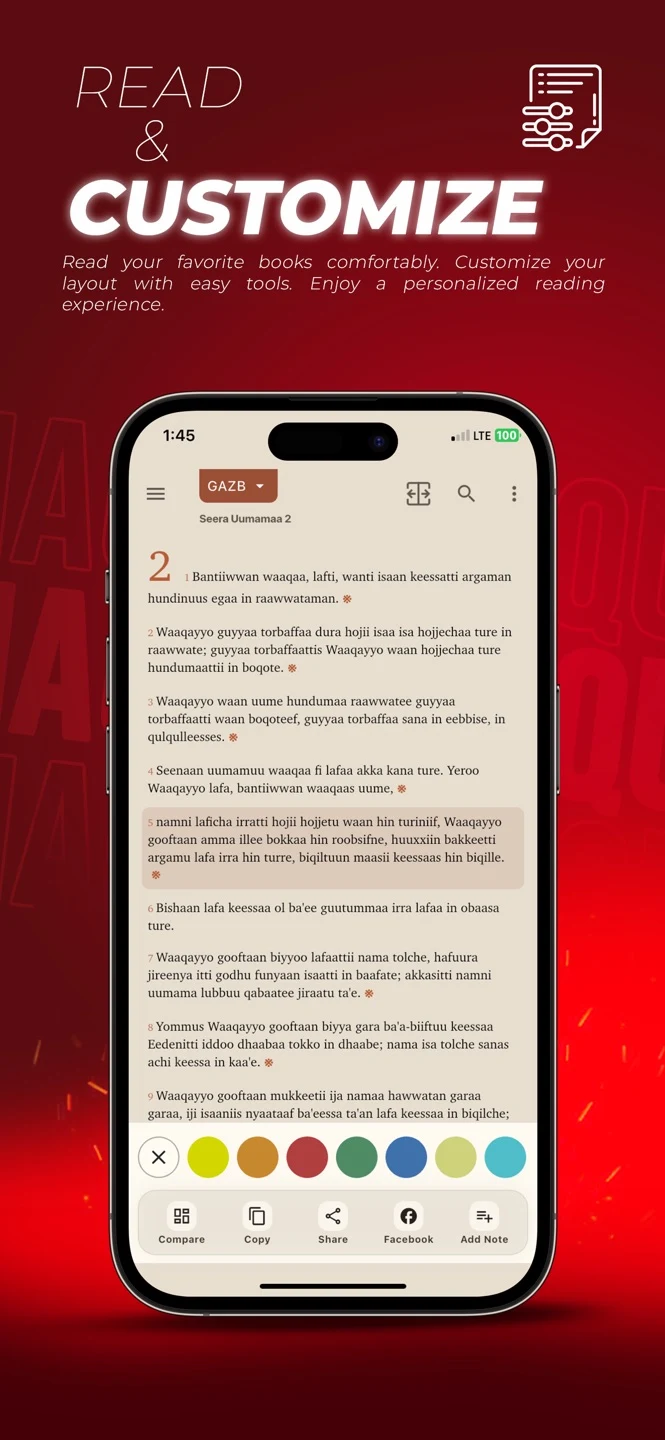
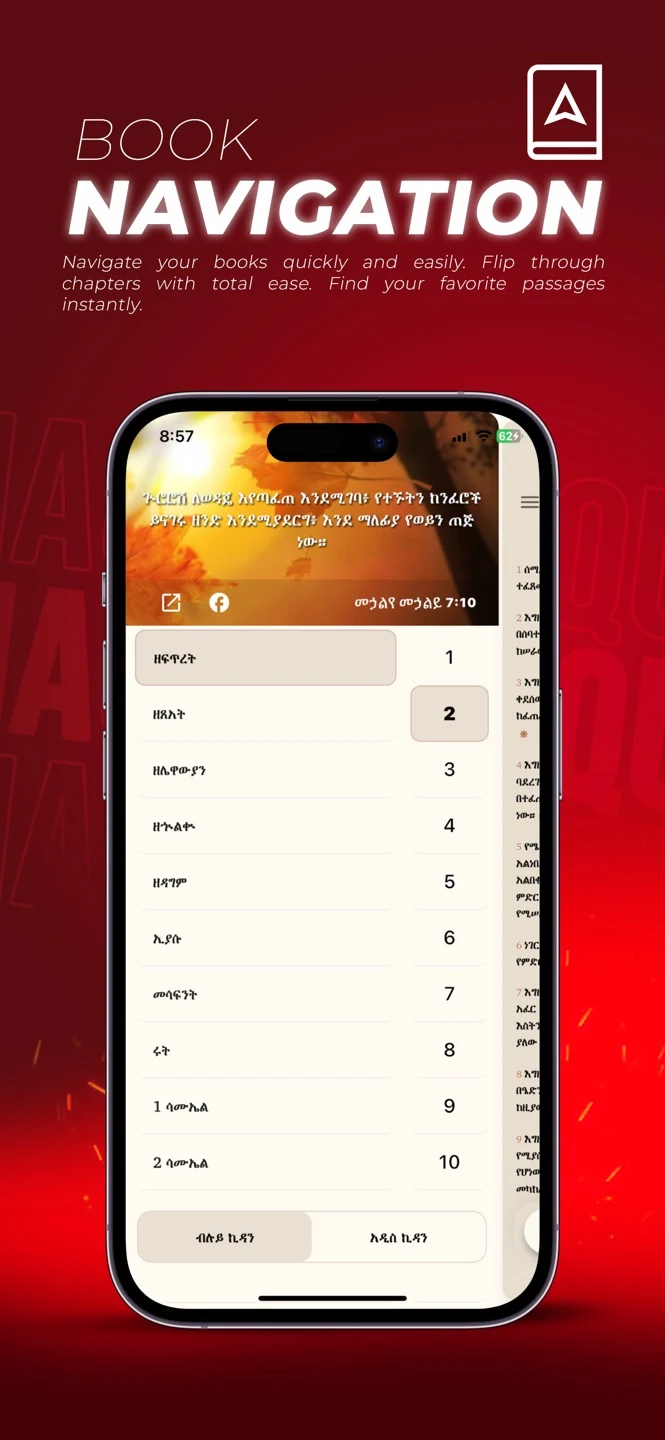
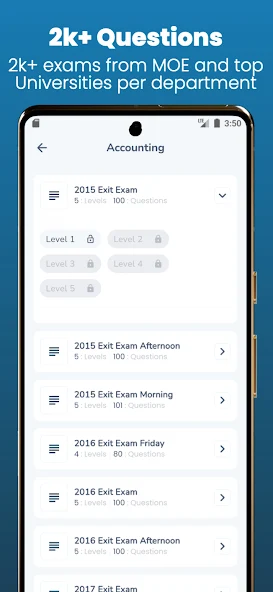
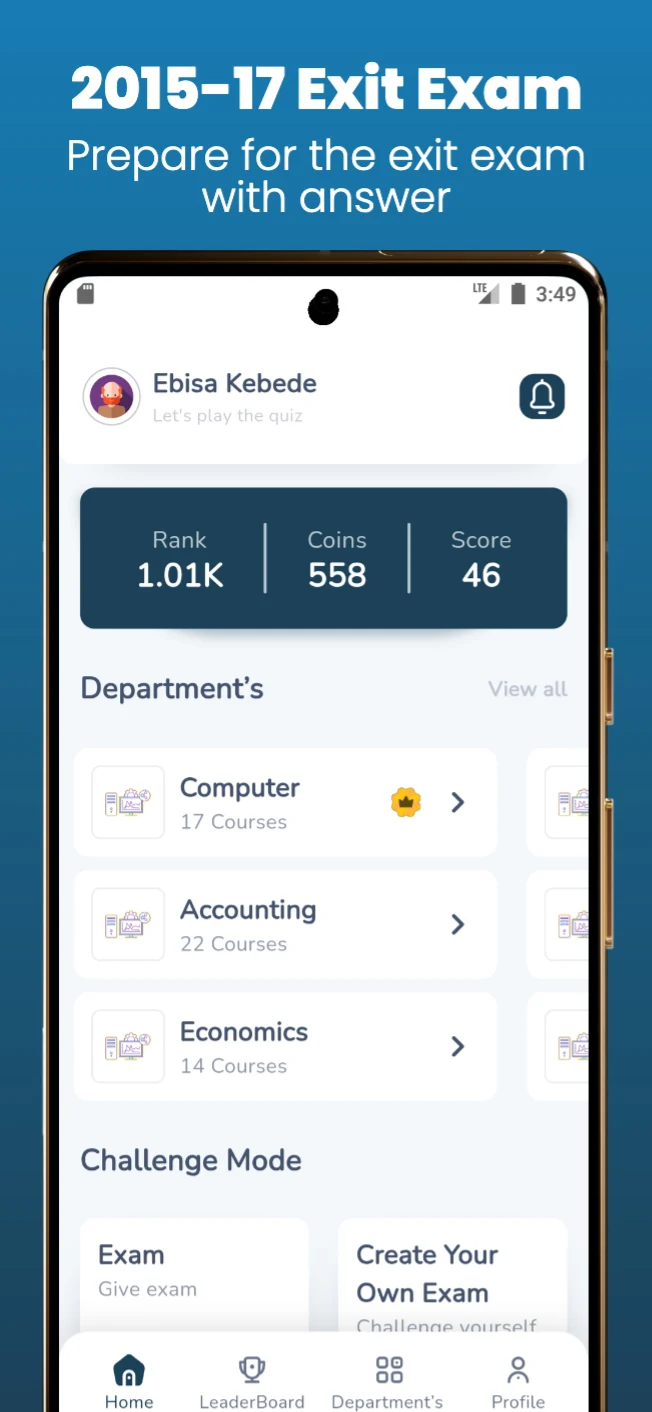
Create digital products that users love. Our design team combines user research, modern design principles, and local market understanding to deliver intuitive interfaces that drive engagement and conversions. Addis Ababa stakeholders can hold discovery and review workshops with DreamTech's local team. Scope is confirmed after workflows, users, data, integrations, controls, and delivery constraints are documented.
Submitted details are used to respond to your inquiry. See our Privacy Policy.
DreamTech reviews project inquiries directly.
What We Deliver
Comprehensive capabilities designed to cover every aspect of your project requirements.
Project decision guide
Study Addis Ababa users in the context of the service
This route is intended for teams that can recruit users or staff in Addis Ababa for interviews, observation, or moderated testing. Local sessions are most valuable when they examine the complete service context—documents, queues, devices, assistance, interruptions, and back-office response—not just whether participants like a screen.
For a locally reachable research audience
Choose this path when a product serves a city-based customer, employee, student, patient, merchant, or operator journey and stakeholders can provide ethical access to representative participants. Include people with different familiarity, language preference, device capability, and accessibility needs rather than relying on colleagues who already understand the proposed interface.
Recruitment convenience can bias findings
Define screening criteria, consent, compensation where appropriate, recording rules, safe locations, data handling, and interpreter needs before sessions. Workplace observation requires permission and should avoid capturing unrelated personal information, credentials, customer records, or confidential screens.
Prepare the Addis Ababa research plan
- Where does the task naturally occur in the city, and which environmental factors—movement, noise, light, time pressure, assistance, or connectivity—affect it?
- Which participant characteristics could change the result, and how will recruitment avoid selecting only digitally confident people near the project team?
- Who will observe sessions, decide whether evidence changes scope, approve the revised content, and answer implementation questions after handoff?
Combine contextual inquiry with task testing
Observe the current journey before presenting a solution, map breakdowns with service staff, then test focused prototypes in the relevant setting. Summarize themes without identifying participants. Review evidence with product and engineering owners so changes are prioritized by user impact, feasibility, accessibility, and business risk.
Local research completion criteria
- The participant set and context match the agreed research question, with consent and limitations documented.
- Findings distinguish observed behavior from interpretation and lead to testable content, flow, or component decisions.
- Revised prototypes pass priority tasks and accessible interaction checks with unresolved risks recorded for implementation.
Why Choose DreamTech?
Ethiopian Market Context
Requirements planning can account for local workflows, payment systems, infrastructure, and current regulatory obligations.
Agile Development Process
Sprint cadence, demonstrations, and feedback points are agreed for the project scope and stakeholder availability.
Scalable Architecture
Architecture is planned against expected users, data, integrations, availability, and growth requirements.
Post-Launch Support
Monitoring, maintenance, and update responsibilities can be defined in the agreed support plan.
Visible Project Portfolio
Review selected mobile, web, ERP, education, mobility, and business-system implementation pages.
Scoped Commercial Proposal
Pricing, milestones, assumptions, exclusions, and change handling are documented for the agreed project scope.
Frequently Asked Questions
Why is UX design important for my business?
UX design helps teams understand user tasks, reduce friction, validate journeys before development, and create more consistent and accessible interfaces.
Do you design for both web and mobile?
Yes. We design responsive web interfaces, native mobile app UIs, and cross-platform experiences that maintain consistency across all devices.
What design tools do you use?
We primarily use Figma for design and prototyping, along with tools like Adobe XD, Sketch, and InVision. All designs come with developer-ready handoff documentation.
Ready to Start Your Project?
Book a free consultation to discuss requirements, constraints, delivery options, and the information needed for a scoped proposal.
Submitted details are used to respond to your inquiry. See our Privacy Policy.