Project Overview

Enterprise Manufacturing ERP Platform

EnterpriseManufacturingERP

A manufacturing ERP implementation designed to connect finance, human resources, payroll, inventory, procurement, production and management reporting in one operational platform.

Trusted by
  • Abyssinia Bank
  • ICS Addis
  • All Mart
  • Ambo Water
  • African Graduate
  • Air Force School
  • Awash Birr
  • CBE Birr
  • Chapa
  • Telebirr
  • Zemen Bank
  • Delhi School
  • Lotus Valley School
  • Save the Children
enplastplc.com
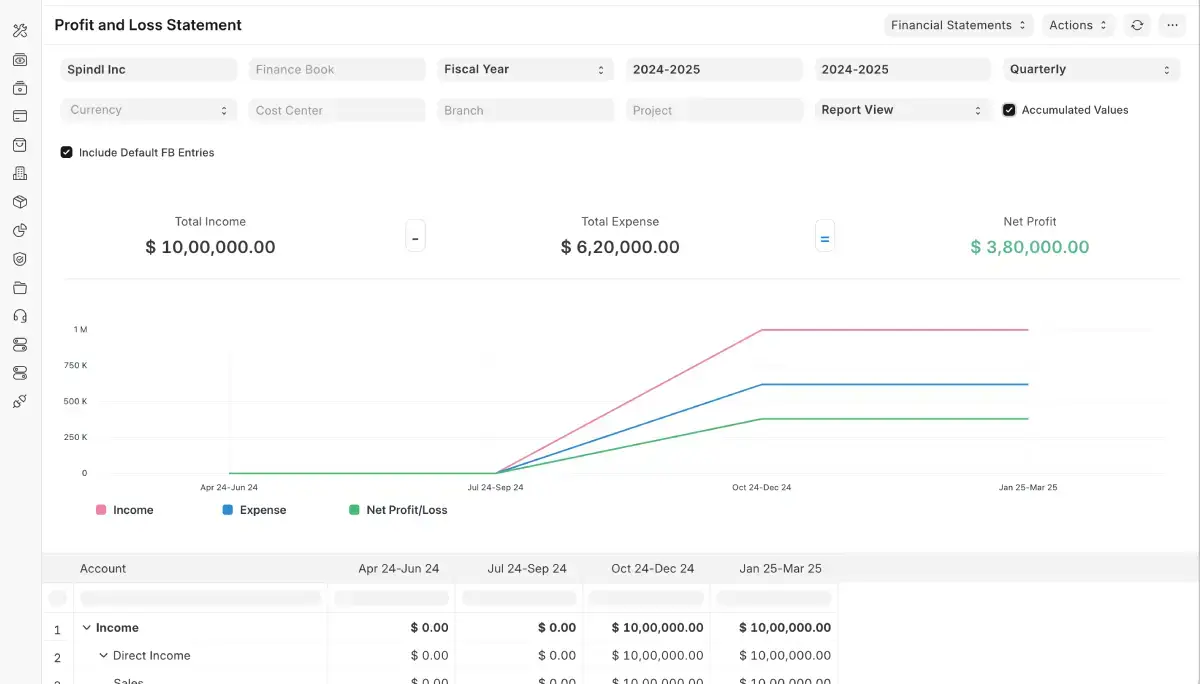
enplastplc.com Dashboard

The Challenge

Disconnected departmental spreadsheets, limited inventory visibility, manual payroll workflows, and fragmented reporting create coordination risk.

Solution Scope

ERP scope that can include finance, HR, inventory, and production modules, with role-based access and reporting requirements defined during discovery.

Finance
Accounting & controls
Inventory
Stock & production
HR
People & payroll
ReactPythonPostgreSQLDockerRedis

Project overview

Project summary

A manufacturing ERP implementation designed to connect finance, human resources, payroll, inventory, procurement, production and management reporting in one operational platform.

Industry
Manufacturing
Solution type
Enterprise ERP platform
Primary scope
Finance, HR, payroll, inventory, production and reporting
Technology
React, Python, PostgreSQL, Docker and Redis
Delivery model
Phased discovery, development, validation, training and rollout

The challenge

Disconnected departmental spreadsheets and manual handoffs created limited inventory visibility, fragmented reporting, repeated entry and difficulty connecting production activity to finance and HR.

The implementation needed a shared foundation that could support phased expansion while preserving controlled access, approvals and history.

  • Give each role controlled access
  • Standardize master data
  • Connect inventory and production
  • Improve finance and management reporting
  • Organize HR and payroll workflows
  • Preserve approvals and history
  • Support phased expansion

Connected modules

Solution scope

Accounting and Finance

Connect approved operational entries to the ledger, receivables, payables, cash, budgets, inventory valuation, payroll and reporting.

Explore Accounting and Finance ERP

Inventory and Warehouses

Manage raw materials, packaging, work in process, finished goods, receipts, issues, transfers, adjustments and stock reporting.

Explore Inventory and Warehouse ERP

Human Resource and Payroll

Manage employee records, structure, attendance, leave, payroll inputs and approved reports.

Explore HR and Payroll ERP

Manufacturing

Include bills of materials, requirements, production orders, material issues, finished-goods receipts, production cost and reporting where confirmed.

Explore Manufacturing ERP Software

Procurement

Connect purchase demand to requisitions, approvals, supplier quotations, purchase orders, receiving and finance.

Explore Procurement ERP

Production sequence

Manufacturing workflow example

  1. Approved demand creates a production requirement.

  2. The system checks raw-material availability.

  3. Missing materials create an approved procurement requirement.

  4. Procurement places and receives the purchase.

  5. Inventory records quantity and location.

  6. A production order uses the approved bill of materials.

  7. Raw materials are issued.

  8. Finished goods and approved scrap or variance are recorded.

  9. Inventory and product cost are updated.

  10. Finance receives approved valuation and cost entries.

  11. Management reviews production, stock, cost and finance reports.

Master data foundation

Controlled master data can include products, materials, packaging, units, bills of materials, warehouses, suppliers, customers, employees, departments, machines, chart of accounts, cost centers and user roles.

Assign ownership before migration.

Cost build-up and product pricing

Manufacturing cost may include raw material, bill-of-material quantity, labor, machine, overhead, imported landed cost, scrap and fixed-cost allocation.

A bill-of-material, raw-material or fixed-cost change should not silently overwrite product price without approval and audit history.

  • Define the included inputs and their data owner
  • Define recalculation timing and approval
  • Confirm whether cost updates valuation or selling price
  • Preserve historical cost
  • Approve variance reports

Roles and access

Separate system administration, finance, procurement, warehouse, production planning, supervisors, HR and payroll, sales, management reporting and audit access.

Sensitive payroll and finance data should not be exposed to unrelated roles.

Reporting scope

Reports can include raw-material stock, finished-goods stock, movement, purchase status, plan versus actual, material usage, output, scrap, product cost, sales, payroll summary, financial statements and dashboards.

Each report should be accepted against approved source records and formulas.

Platform foundation

Technical architecture

Front End

React can provide the browser interface and role-specific workflows.

Application Layer

Python can implement business rules, APIs, validation and integrations.

Database

PostgreSQL can store transactional and master data under the selected schema and backup design.

Containerization

Docker can support consistent deployment and service packaging.

Supporting Services

Redis can support selected caching, queue or temporary-data requirements. Environments, deployment, secrets, monitoring, backups, recovery, scaling and ownership must be documented.

Implementation

Delivery approach

  1. Discovery

    Discovery and workflow mapping

  2. Planning

    Scope and release planning

  3. Development

    Iterative development and demonstrations

  4. Migration

    Data cleaning and migration

  5. Validation

    Integration and testing

  6. Training

    Role-based training

  7. Rollout

    Controlled go-live and post-launch review

Acceptance evidence

Acceptance evidence should demonstrate that:

  • Approved users complete their workflows
  • Permissions prevent inappropriate access
  • Stock reconciles to approved opening data
  • Production updates the intended records
  • Payroll and finance calculations reconcile
  • Reports match agreed transactions
  • Backup, restore, export and support are documented
  • Open issues and exclusions are recorded

Need a Similar Manufacturing ERP?

Share production forms, bills of materials, inventory, cost build-up, payroll, reports and integrations.

Free project consultation

Book a free consultation to discuss requirements, constraints, delivery options, and the information needed for a scoped proposal.

Loading form...