Attendance is a guessing game
Teachers mark attendance on paper. By the time you know a student is absent, their parents have already called — upset.





eSchool
School community app


eschool.et
Running a school involves a surprising amount of record keeping. Registrars handle enrollment files and birth certificates, teachers keep attendance registers and mark sheets, the finance office follows fee balances in notebooks, and the administration answers board and Ministry requests with figures pulled from all of them.
We built eschool.et as DreamTech's dedicated school management platform so those teams can work in one system. It follows a student from online registration through class assignment, attendance, exams, promotion and graduation, and it links the finance office, staff records and parents to the same student profile.
The platform runs publicly at eschool.et. Which modules and integrations a given school uses is settled during implementation, because grade structures, terms, fee rules, languages and reporting formats differ between institutions.
Paper-based enrollment, delayed grade reporting, and disconnected attendance and fee records make school administration difficult to coordinate.
When attendance lives on paper, the office learns that a student missed class only after the register is collected, and parents are often the last to hear.
Finance staff need to know who has paid, who still owes and which receipts were issued. Notebooks and loose receipts make those questions slow to answer and easy to dispute.
Working out grades for every class and preparing report cards manually ties staff up for days at the end of each term and leaves room for calculation mistakes.
Physical files can be lost or damaged, and assembling enrollment, attendance and performance figures for a deadline means searching through cabinets and spreadsheets.
Our team designed eschool.et around the roles that use it every day: registrar, subject teacher, finance officer, administrator and parent. Each role sees the records and actions it needs, while sensitive information such as fee balances or staff contracts stays with the people responsible for it.
Every school implementation starts with a short decision brief. It names who owns student identity, attendance, marks, fee balances and staff records, separates first-release workflows from later enhancements, and states what evidence will show that the configuration is ready.
Configurable School ERP scope that can include centralized student records, grade-calculation rules, attendance workflows, and approved local payment integrations where provider access is available.
Each student has one profile that holds enrollment details, documents, class and section, and the full academic history.
Teachers record daily or period-wise attendance, and parents can receive an SMS when their child is marked absent. Teacher attendance and leave requests are tracked in the same module.
Subject teachers enter marks against a published exam timetable, and grades are calculated using the school's configured rules.
Fee structures are set per grade, reminders go out by SMS, receipts are issued in print or digital form, and CBE, Telebirr and cash payments can be logged against each student's balance. Direct provider integration depends on the school's own accounts and access.
Parents stay informed through a notice board, bulk SMS, direct messages with teachers and a parent mobile app for Android and iOS.
Optional modules cover staff contracts, payroll and leave; a library catalog with borrowing records; and school bus routes with pickup notices for parents.
The Problem
Most Ethiopian school owners waste hours every week on manual work that a good system can handle in seconds. Here is what we hear from school directors before they switch to DreamTech:
Teachers mark attendance on paper. By the time you know a student is absent, their parents have already called — upset.
You chase parents for payments. No one knows who has paid and who hasn't without digging through notebooks.
Manually calculating grades for hundreds of students takes your staff days of error-prone work.
Sending notices requires printing, distributing, and hoping students deliver the message home.
When the Ministry or your board asks for data, you scramble through files and hope the numbers are right.
Physical records get lost, damaged, or are impossible to retrieve. There is no backup when something goes wrong.
Core Modules
Our school ERP covers the full lifecycle — from student registration to alumni tracking. Each module works together so your data flows without manual re-entry.
The heart of the platform. Manage every student's full academic record, documents, and history in one place.
Collect fees, track payments, and generate reports — all without a single spreadsheet.
Real-time attendance for students and staff, with instant parent notifications when a child is absent.
Schedule exams, enter marks, calculate grades, and publish results — automatically and accurately.
Manage teacher contracts, payroll, leaves, and performance from one HR dashboard.
Keep every parent connected and informed — via SMS, email, or the parent mobile app.
Ministry-ready reports and real-time dashboards to help you run your school with data, not guesswork.
Digitize your library — issue books, track returns, and manage all school resources in one place.
Track school buses, assign students to routes, and notify parents of pickup and drop-off times.
Why DreamTech
We are not just a software company. We are an Ethiopian team that understands what running a school in Ethiopia actually looks like. Our system is built for your reality.
Calendar, grade structure, language, reporting, payment, and communication requirements can be configured after they are validated with your school.
Configured reminders, payment records, receipts, balances, and reports can give finance teams a clearer fee workflow.
Templates and connected records can reduce manual steps for report cards, enrollment, attendance summaries, and other configured workflows.
A configured parent portal can present attendance, grades, fees, notices, and messages in one place.
Deployment planning can include role-based access, encryption, backups, audit logs, recovery procedures, and data export requirements.
DreamTech's Addis Ababa team can scope onboarding, role-based training, documentation, remote support, and any required on-site sessions.
School Management System in Ethiopia
DreamTech plans school-management requirements around Ethiopian calendar, grade, reporting, language, payment, connectivity, privacy, and data-portability needs. Each requirement must be validated with the institution and, where relevant, current official guidance or provider documentation.
For Ethiopia, remote or on-site discovery, role-based training, rollout, and support options can be defined in the proposal. Cloud, local, backup, and offline-workflow choices depend on the school's connectivity, devices, security requirements, and agreed deployment.
Assessment, implementation, training, and support options for Ethiopia are confirmed by scope, availability, and delivery agreement.
Common Questions
How We Build It
Architecture, hosting, security, backups, connectivity, monitoring, and recovery targets are defined against each school's requirements and agreed service plan.
 React
 Laravel
 Node.js
 Flutter
 PostgreSQL
 Docker
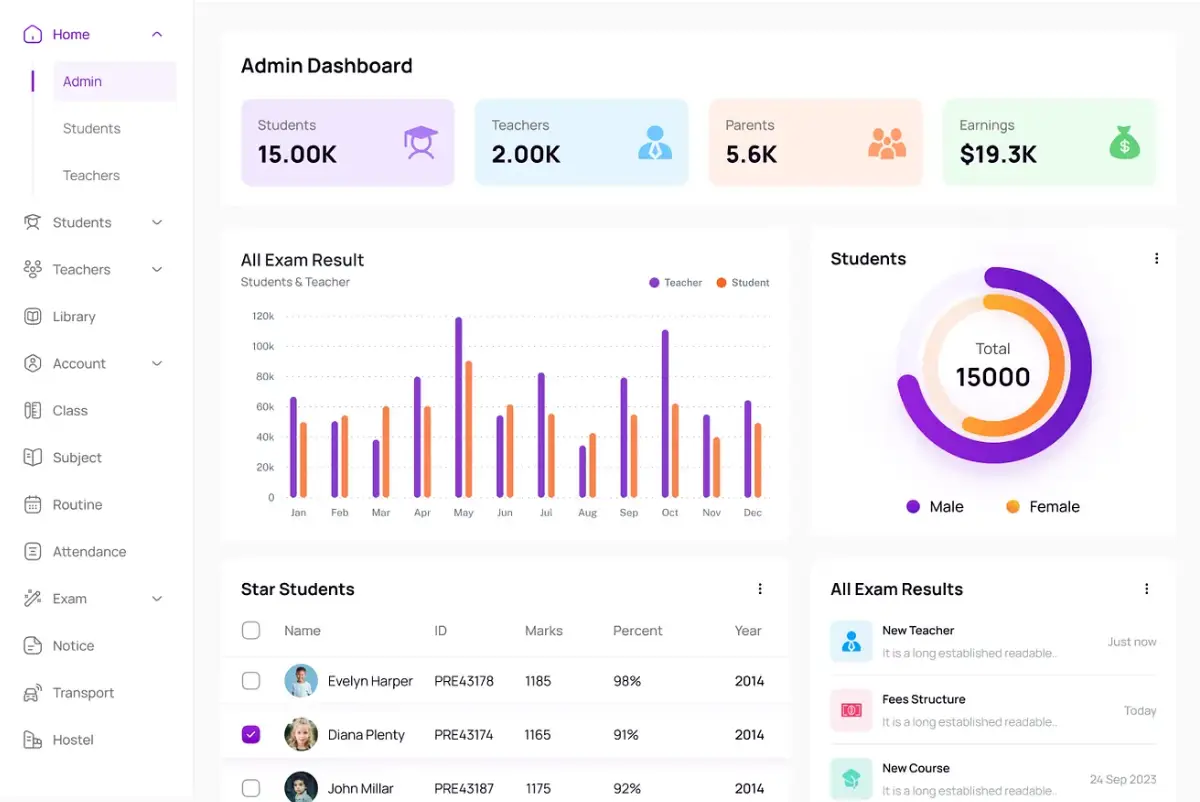
eschool.et gives a school one place to run its academic and administrative year. Depending on the modules a school selects, the platform enables:
We delivered Amharic Bible+ and Macaafa Qulqulluu+, two local-language Bible apps for Android and iOS with offline reading, search, bookmarks, and sharing.
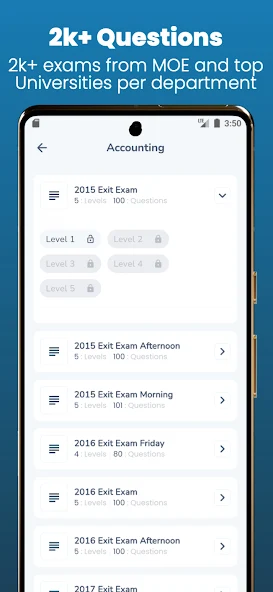
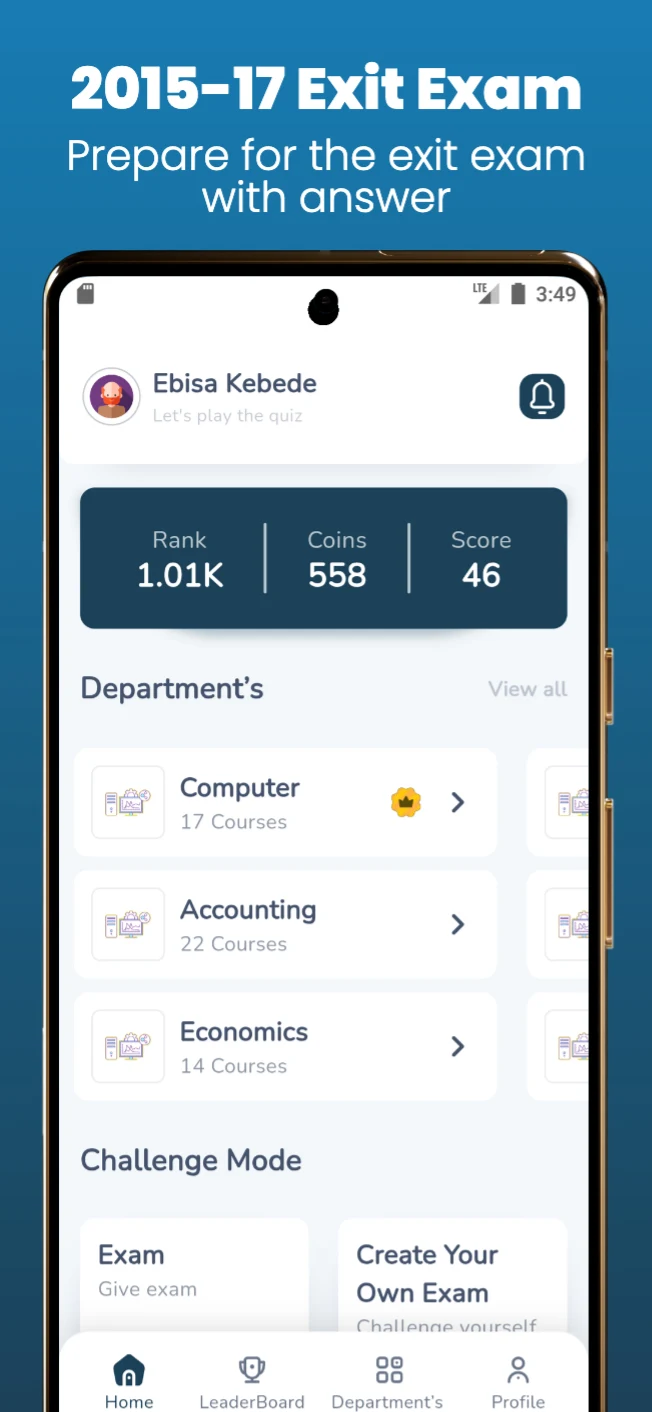
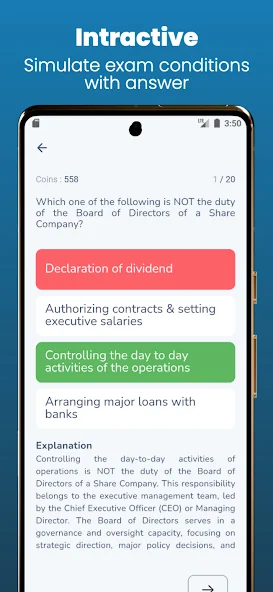
We built Exit Exam, a learning app that helps Ethiopian students prepare for exit exams with practice tests, study materials, and score tracking.
Africa Graduate School needed a professional website to build trust with students and academic partners. We created a clean, modern platform that presents their vision, programs, and admissions process clearly.
Share your goals, users, required platforms, integrations, and launch priorities. The form is preselected for this project type, and you can change it at any time.