



























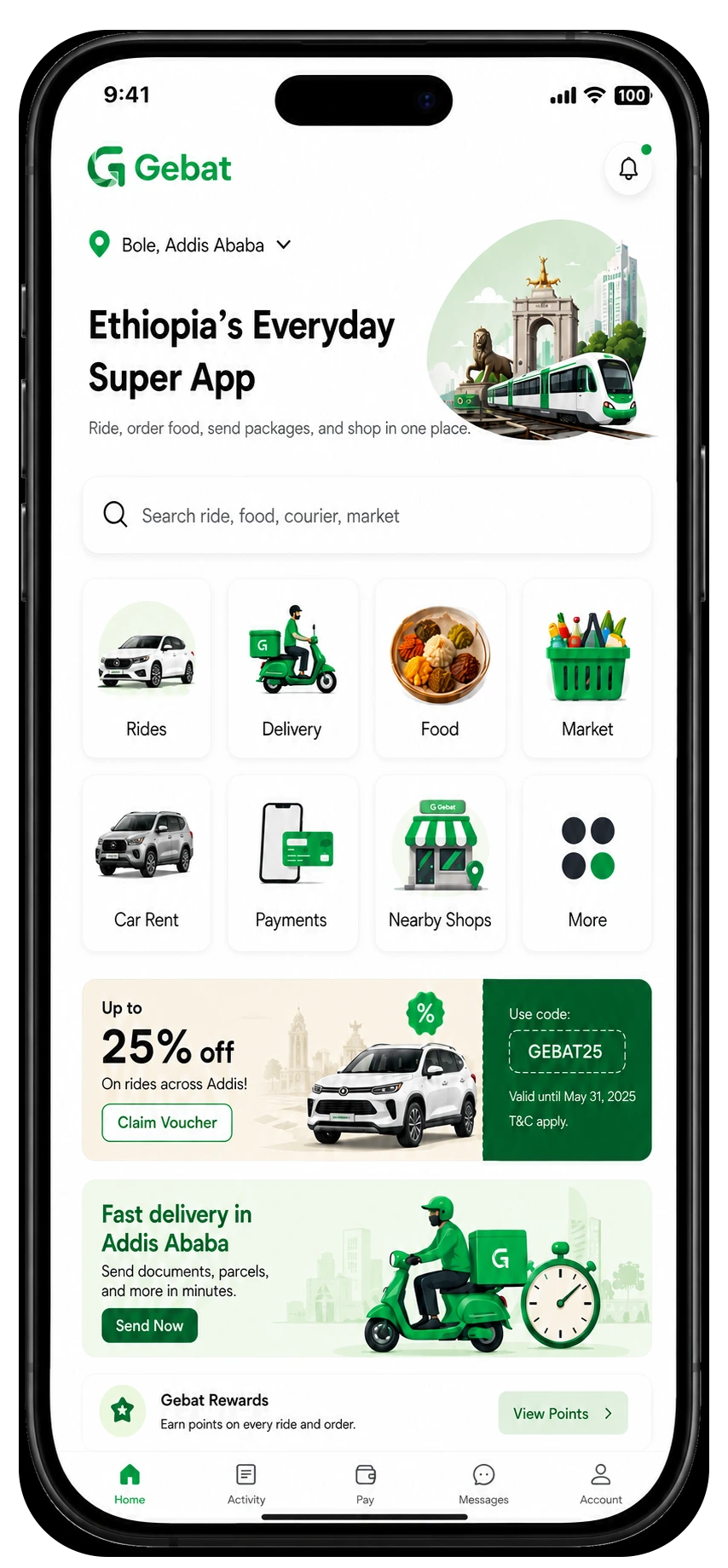
Manufacturing ERP
Production, materials, inventory, quality, costing, maintenance, and purchasing in one operating flow.
Comprehensive capabilities designed to cover every aspect of your project requirements.
Project decision guide
ERP planning begins with operating rules and accountable data, not a catalogue of modules. This route helps finance, operations, HR, procurement, and technology leaders separate processes that should be standardized from genuine differentiators that may require configuration, integration, or carefully governed custom development.
Use this overview when several departments maintain overlapping spreadsheets or systems and management needs more consistent control. A sponsor should be prepared to resolve policy conflicts; software cannot decide chart-of-account structure, approval authority, stock ownership, payroll rules, or reporting definitions on the organization's behalf.
Opening balances, item and customer masters, employee records, duplicate codes, document sequences, tax and payroll configuration, user segregation, audit retention, and integration ownership shape the implementation. Current statutory requirements should be confirmed with qualified advisers and official sources rather than embedded from an assumption.
Document future-state controls, demonstrate them with representative data, and close policy decisions before broad configuration. Rehearse migration and reconciliation more than once. Introduce modules and locations in manageable stages so users can complete real transactions, reporting, period-end, and exception handling before legacy processes are retired.
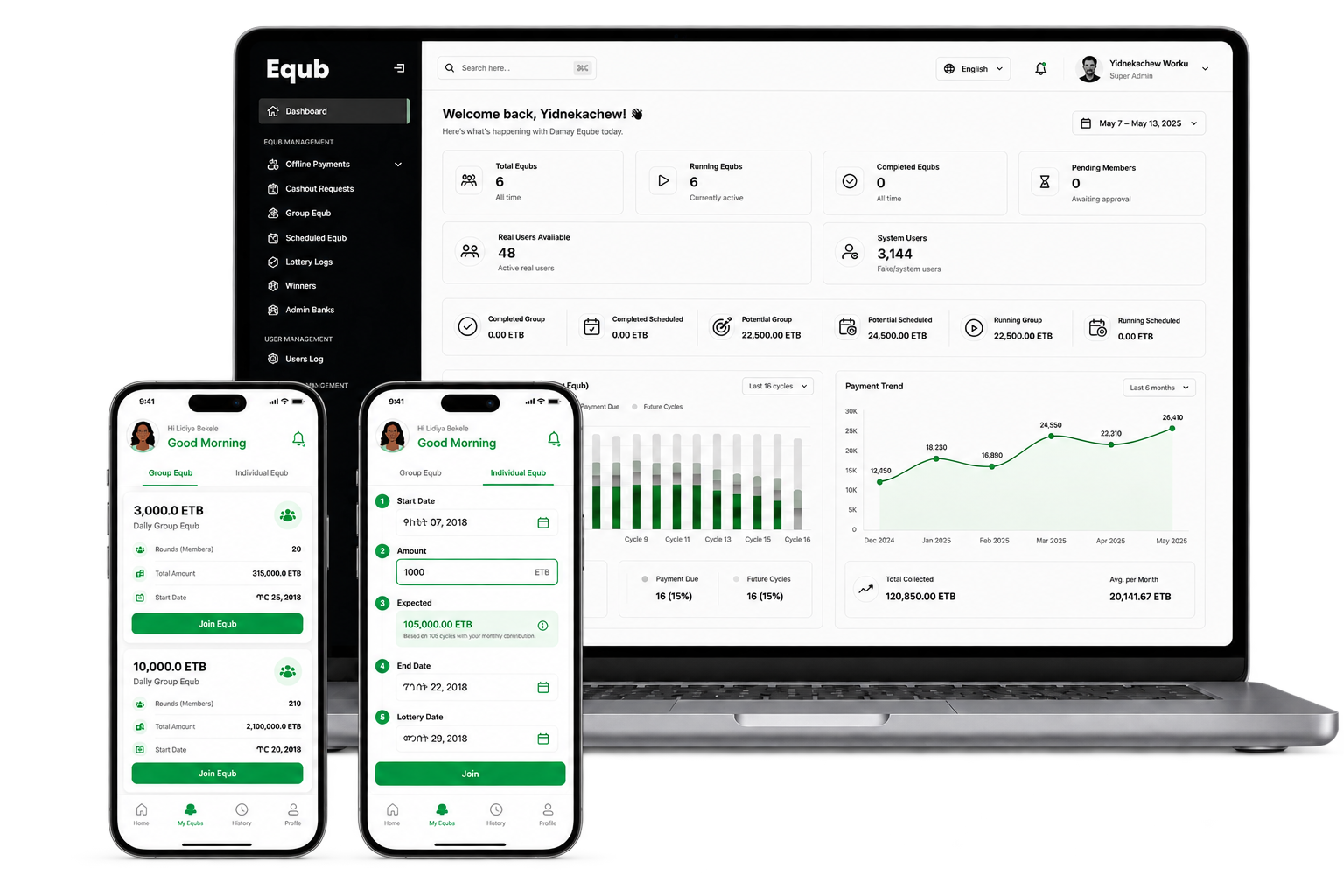
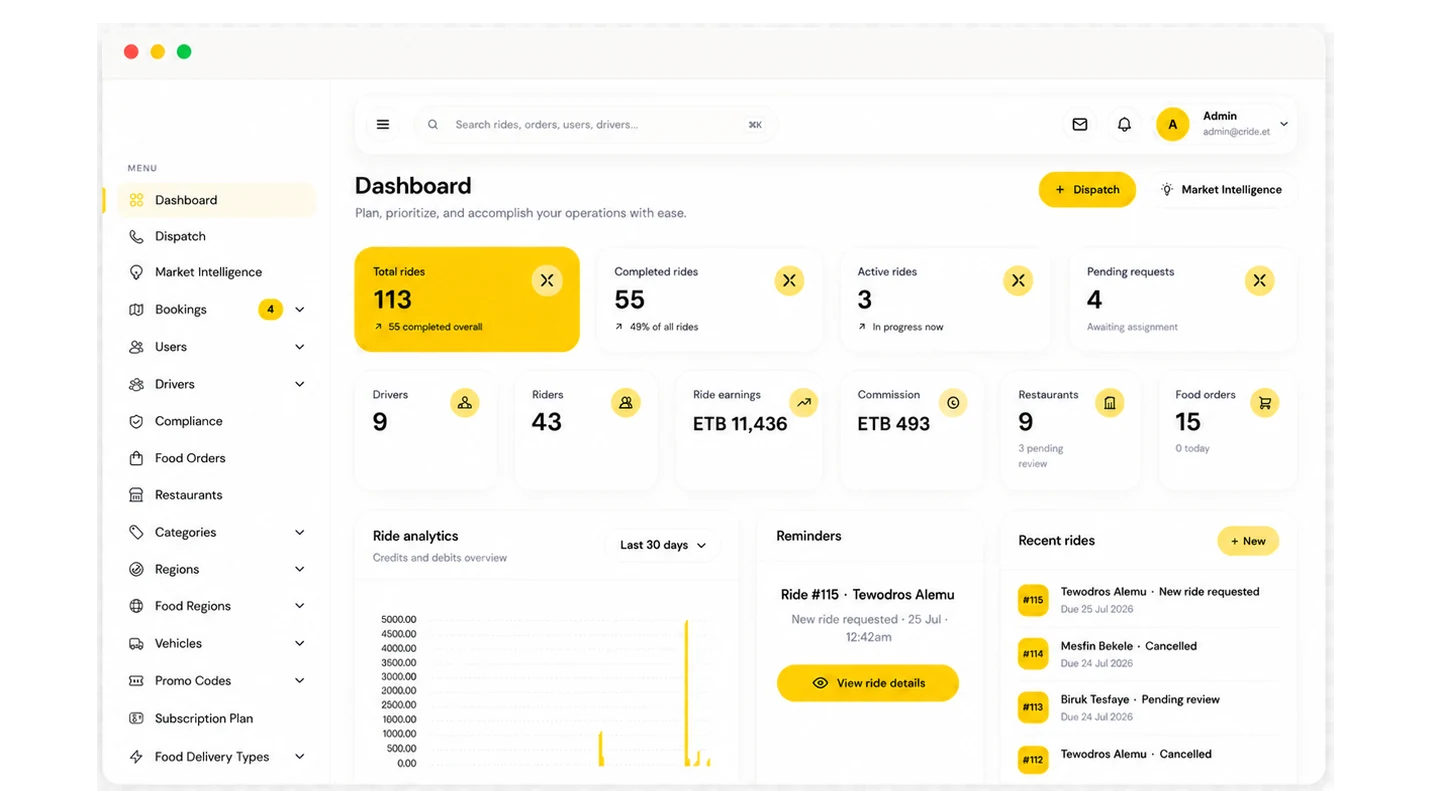
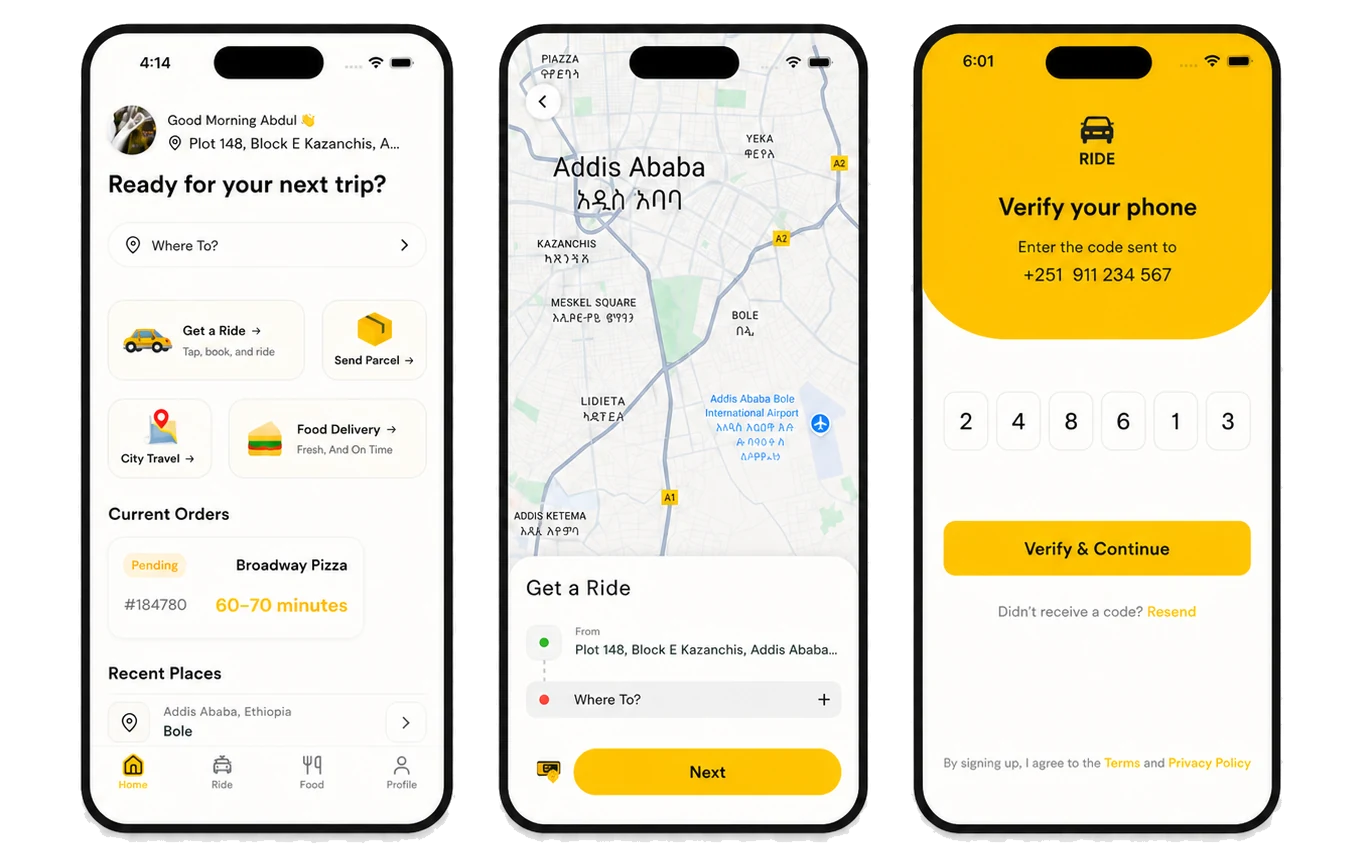
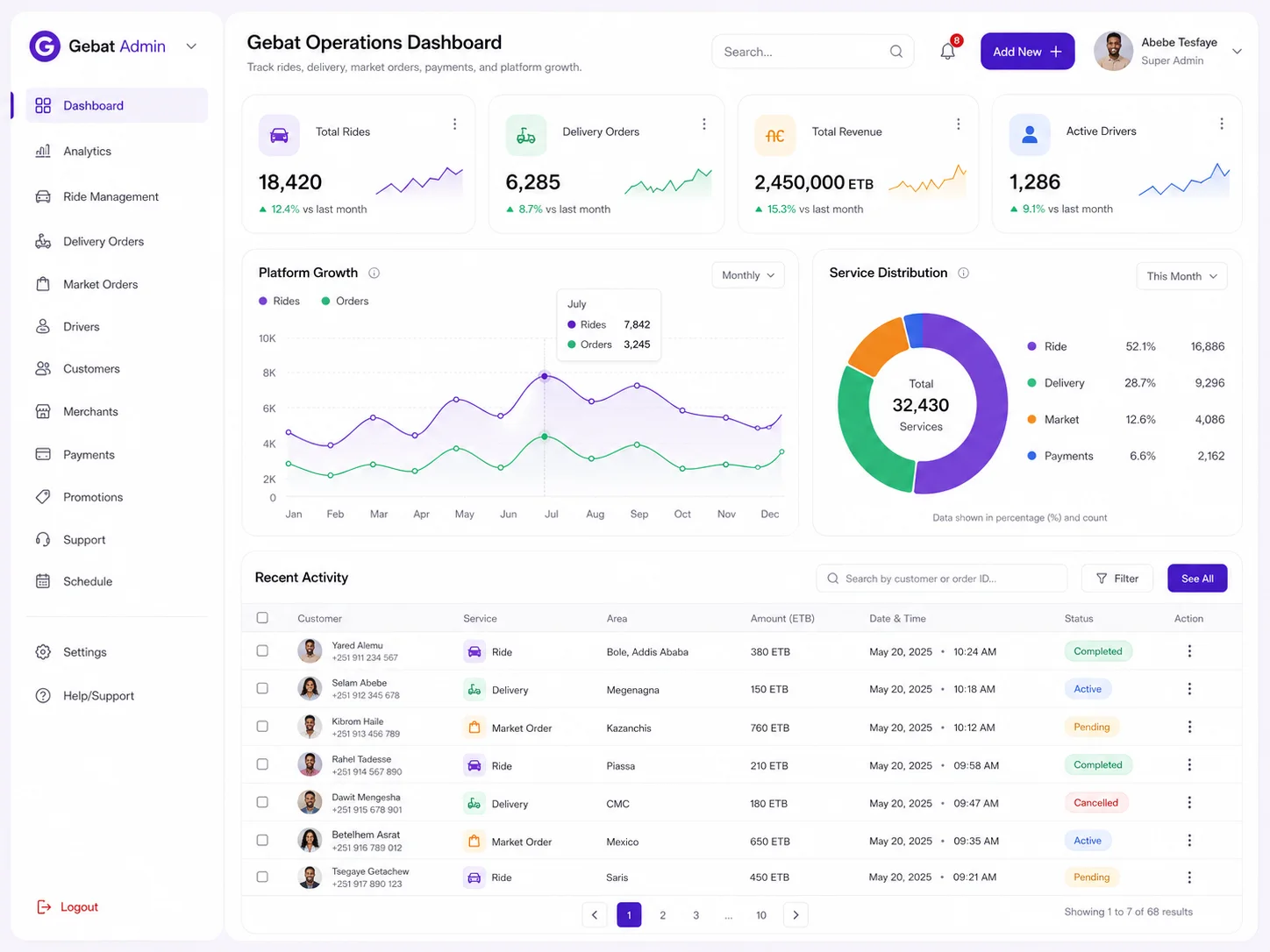
Explore our featured digital Equb, Ride Hailing, e-commerce, and super app platforms. Visit the full product catalog for ERP, education, healthcare, hospitality, on-demand services, applied AI, and detailed modules.
Modules are selected around the organization's workflows and controls. They can be introduced in phases, with shared master data, permissions, approvals, and reporting connecting the areas that need to work together.
The underlying ERP platform may share modules, but configuration, terminology, approvals, reports, and integrations should follow the way each organization works.
Production, materials, inventory, quality, costing, maintenance, and purchasing in one operating flow.
Finance, procurement, stores, assets, HR, and administrative reporting around healthcare operations.
Student administration, fees, finance, HR, inventory, communication, and institutional reporting.
Reservations and front-office operations connected with purchasing, stores, finance, staff, and management reporting.
Products, outlets, stock movement, sales, purchasing, customers, finance, and branch-level reporting.
Warehouses, purchasing, order fulfillment, delivery coordination, receivables, and sales performance.
Projects, budgets, procurement, materials, contractors, assets, approvals, and cost visibility.
Clients, projects or jobs, staff time, expenses, billing, approvals, and service performance.
Import and purchasing workflows, inventory, sales, customer credit, finance, and document control.
Shared controls and reporting across branches, departments, legal entities, and approval levels.
Requirements planning can account for local workflows, payment systems, infrastructure, and current regulatory obligations.
Sprint cadence, demonstrations, and feedback points are agreed for the project scope and stakeholder availability.
Architecture is planned against expected users, data, integrations, availability, and growth requirements.
Monitoring, maintenance, and update responsibilities can be defined in the agreed support plan.
Review selected mobile, web, ERP, education, mobility, and business-system implementation pages.
Pricing, milestones, assumptions, exclusions, and change handling are documented for the agreed project scope.
Explore related project and implementation overviews in this domain.
School management ERP covering the student lifecycle from enrollment to graduation, with academic, attendance, fee, and communication workflows.
School management ERP covering the student lifecycle from enrollment to graduation, with academic, attendance, fee, and communication workflows.
The Challenge
Paper-based enrollment, delayed grade reporting, and disconnected attendance and fee records make school administration difficult to coordinate.
Solution Scope
Configurable School ERP scope that can include centralized student records, grade-calculation rules, attendance workflows, and approved local payment integrations where provider access is available.
eSchool
School community app


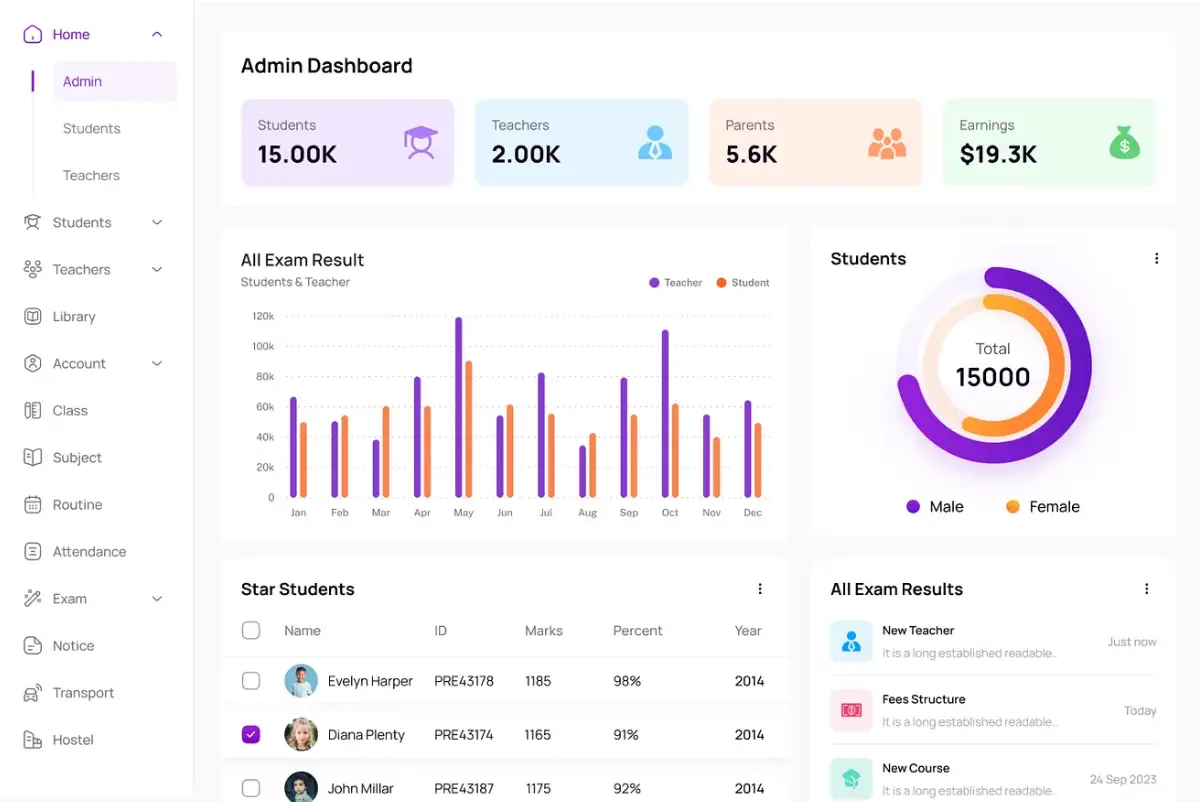
School management ERP covering the student lifecycle from enrollment to graduation, with academic, attendance, fee, and communication workflows.
The Challenge
Paper-based enrollment, delayed grade reporting, and disconnected attendance and fee records make school administration difficult to coordinate.
Solution Scope
Configurable School ERP scope that can include centralized student records, grade-calculation rules, attendance workflows, and approved local payment integrations where provider access is available.
eSchool
School community app
Unified ERP implementation overview connecting accounting, HR, inventory, production, sales, and management reporting for a manufacturing context.
Unified ERP implementation overview connecting accounting, HR, inventory, production, sales, and management reporting for a manufacturing context.
The Challenge
Disconnected departmental spreadsheets, limited inventory visibility, manual payroll workflows, and fragmented reporting create coordination risk.
Solution Scope
ERP scope that can include finance, HR, inventory, and production modules, with role-based access and reporting requirements defined during discovery.
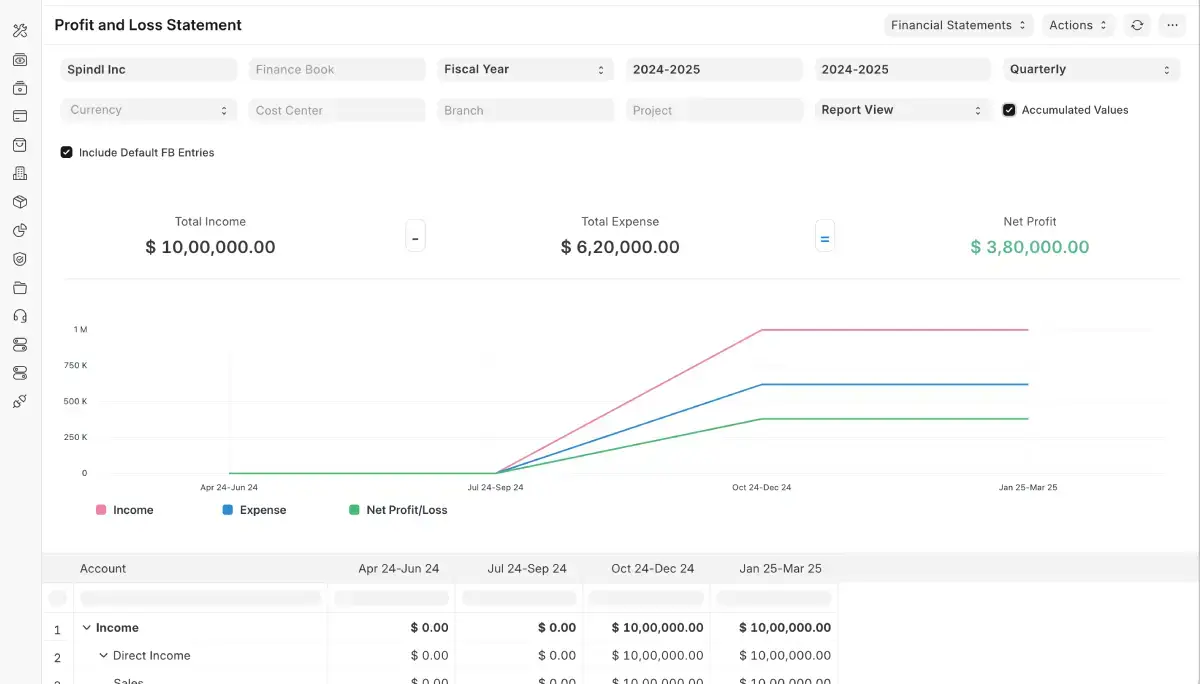
Unified ERP implementation overview connecting accounting, HR, inventory, production, sales, and management reporting for a manufacturing context.
The Challenge
Disconnected departmental spreadsheets, limited inventory visibility, manual payroll workflows, and fragmented reporting create coordination risk.
Solution Scope
ERP scope that can include finance, HR, inventory, and production modules, with role-based access and reporting requirements defined during discovery.
Integrated hotel management and booking platform with availability, front-desk, housekeeping, POS, channel, and reporting workflows.
Integrated hotel management and booking platform with availability, front-desk, housekeeping, POS, channel, and reporting workflows.
The Challenge
Phone-based booking, disconnected restaurant POS, and limited online availability can increase overbooking risk and make guest service harder to coordinate.
Solution Scope
PMS scope that can include an online booking engine, OTA channel connections subject to third-party API access, and coordinated food-and-beverage POS workflows.
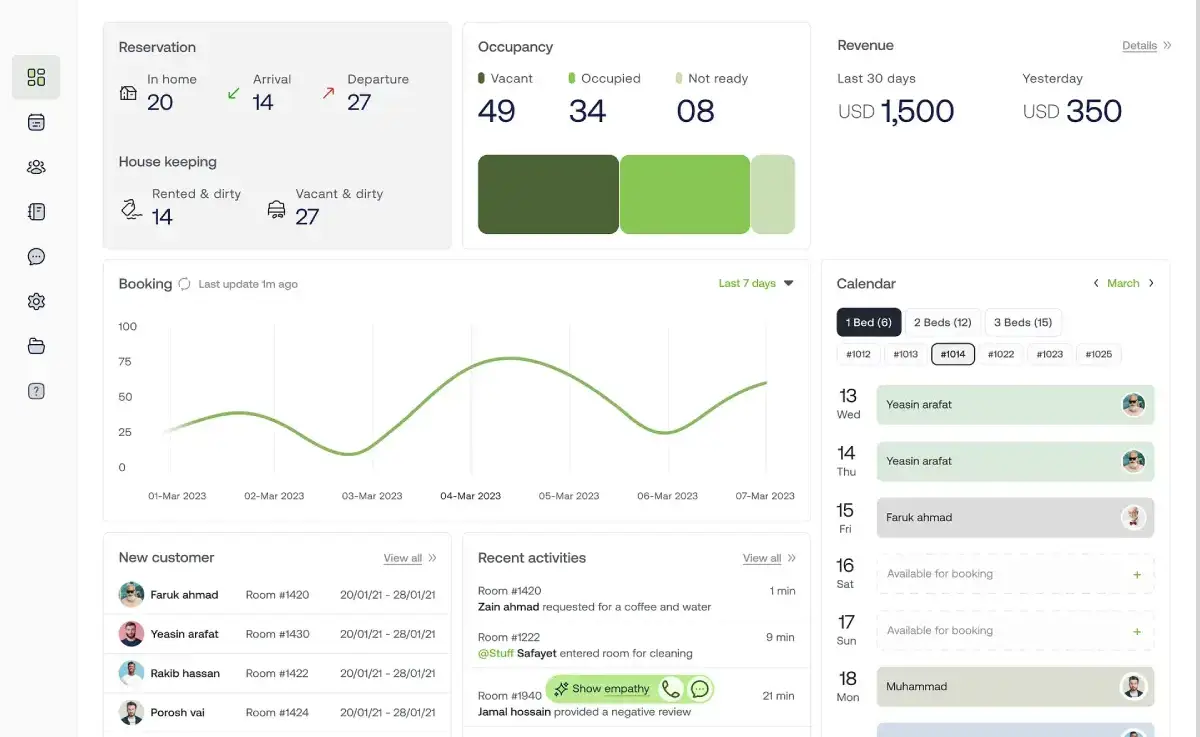
Integrated hotel management and booking platform with availability, front-desk, housekeeping, POS, channel, and reporting workflows.
The Challenge
Phone-based booking, disconnected restaurant POS, and limited online availability can increase overbooking risk and make guest service harder to coordinate.
Solution Scope
PMS scope that can include an online booking engine, OTA channel connections subject to third-party API access, and coordinated food-and-beverage POS workflows.
Hospital management system with Patient Registration, OPD, IPD, Lab, Imaging, and Pharmacy modules, plus billing and insurance workflows.
Hospital management system with Patient Registration, OPD, IPD, Lab, Imaging, and Pharmacy modules, plus billing and insurance workflows.
The Challenge
Disconnected registration, outpatient, inpatient, lab, imaging, pharmacy, and billing records can slow care coordination and administrative reporting.
Solution Scope
HMS implementation scope that can connect Patient Registration, OPD, IPD, Lab, Imaging, and Pharmacy modules with shared patient records, billing, and insurance-claim workflows based on approved requirements.
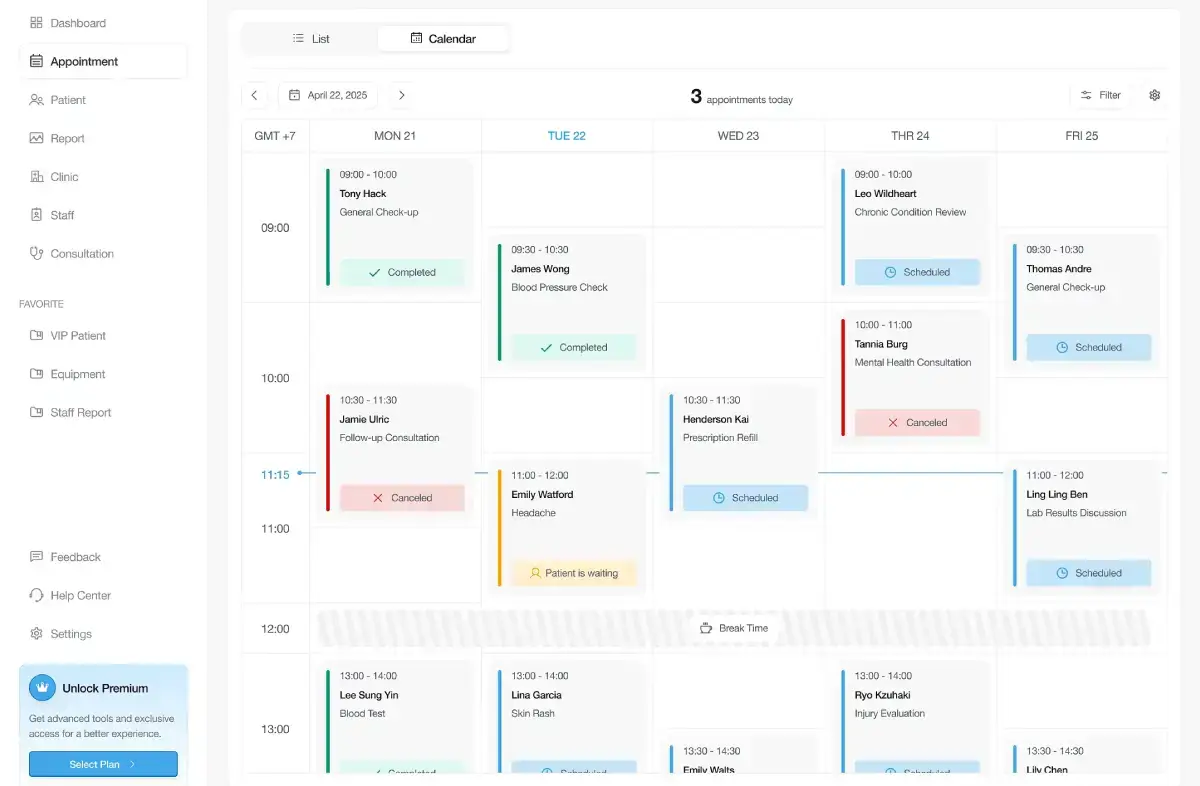
Hospital management system with Patient Registration, OPD, IPD, Lab, Imaging, and Pharmacy modules, plus billing and insurance workflows.
The Challenge
Disconnected registration, outpatient, inpatient, lab, imaging, pharmacy, and billing records can slow care coordination and administrative reporting.
Solution Scope
HMS implementation scope that can connect Patient Registration, OPD, IPD, Lab, Imaging, and Pharmacy modules with shared patient records, billing, and insurance-claim workflows based on approved requirements.
ERP (Enterprise Resource Planning) software unifies all your business operations — finance, HR, inventory, sales — into a single platform. It eliminates data silos, reduces manual work, and gives you real-time insights to make better decisions.
Required calculations, reports, deductions, approvals, and payroll rules are documented during implementation and should be validated against current official requirements.
Timing depends on modules, users, data migration, integrations, configuration, training, and rollout risk. DreamTech confirms milestones after discovery and can propose phased delivery.
Free project consultation
Book a free consultation to discuss requirements, constraints, delivery options, and the information needed for a scoped proposal.