



























Addis Ababa Software Team

ERP Software Development Company Across Ethiopia

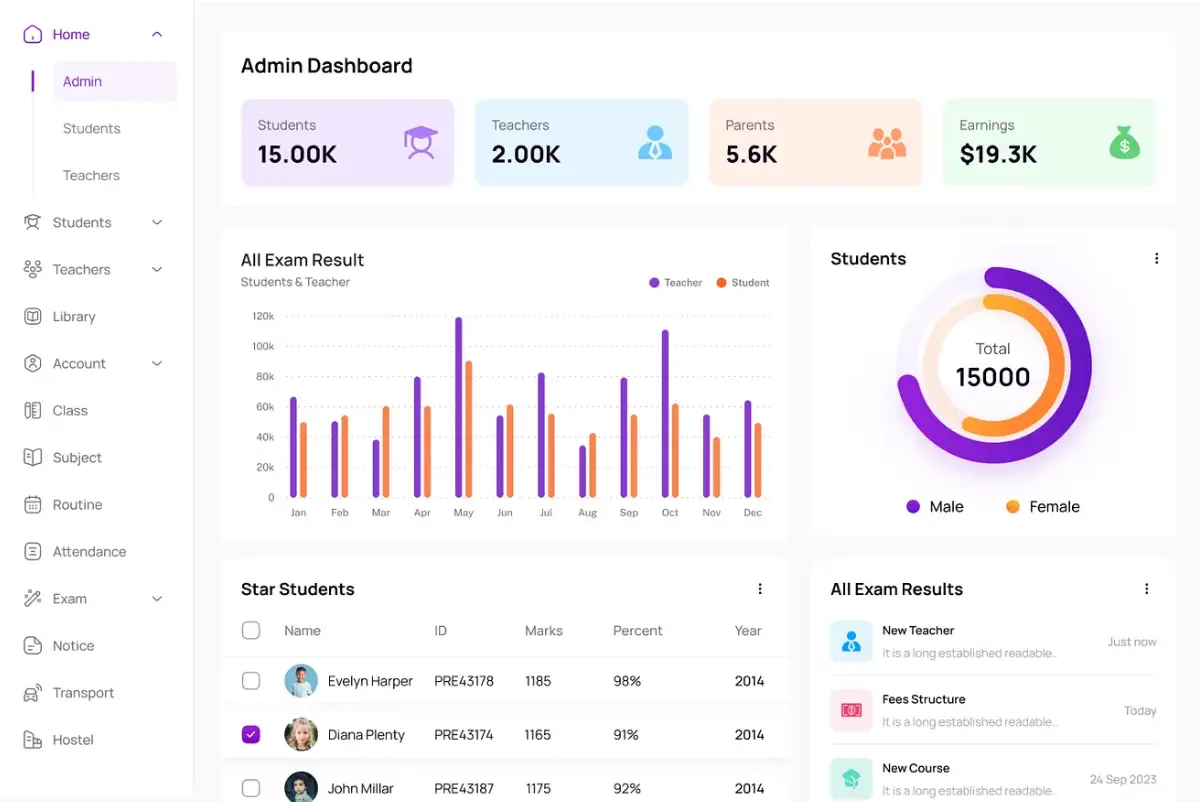
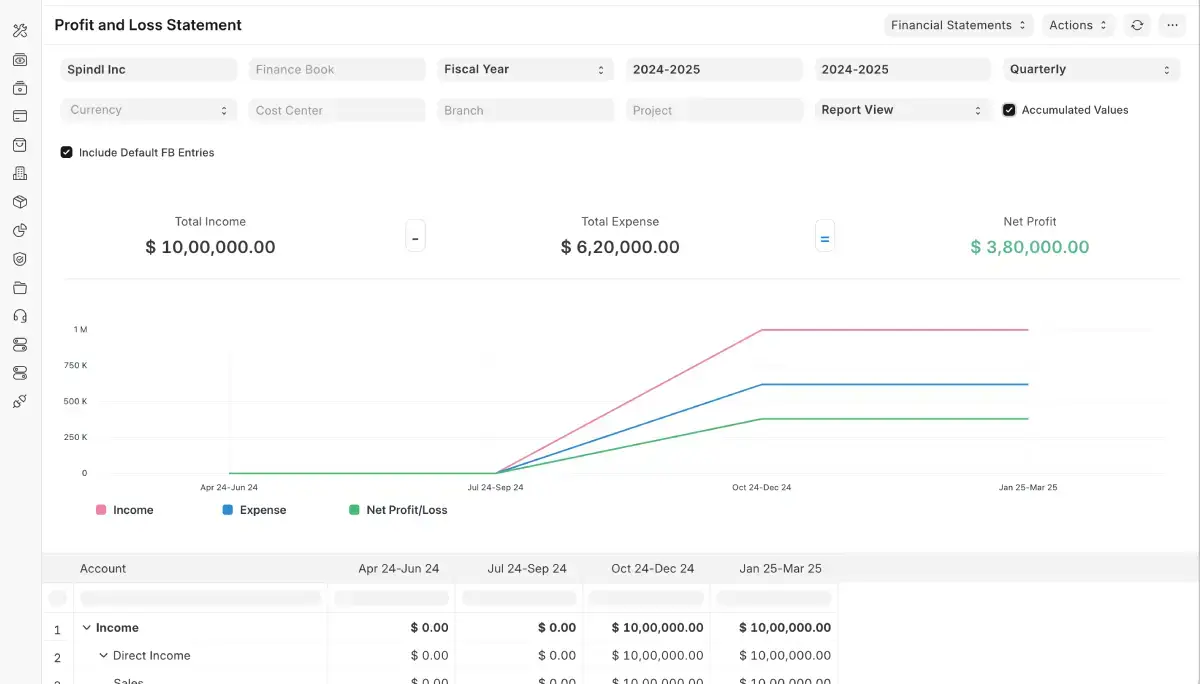
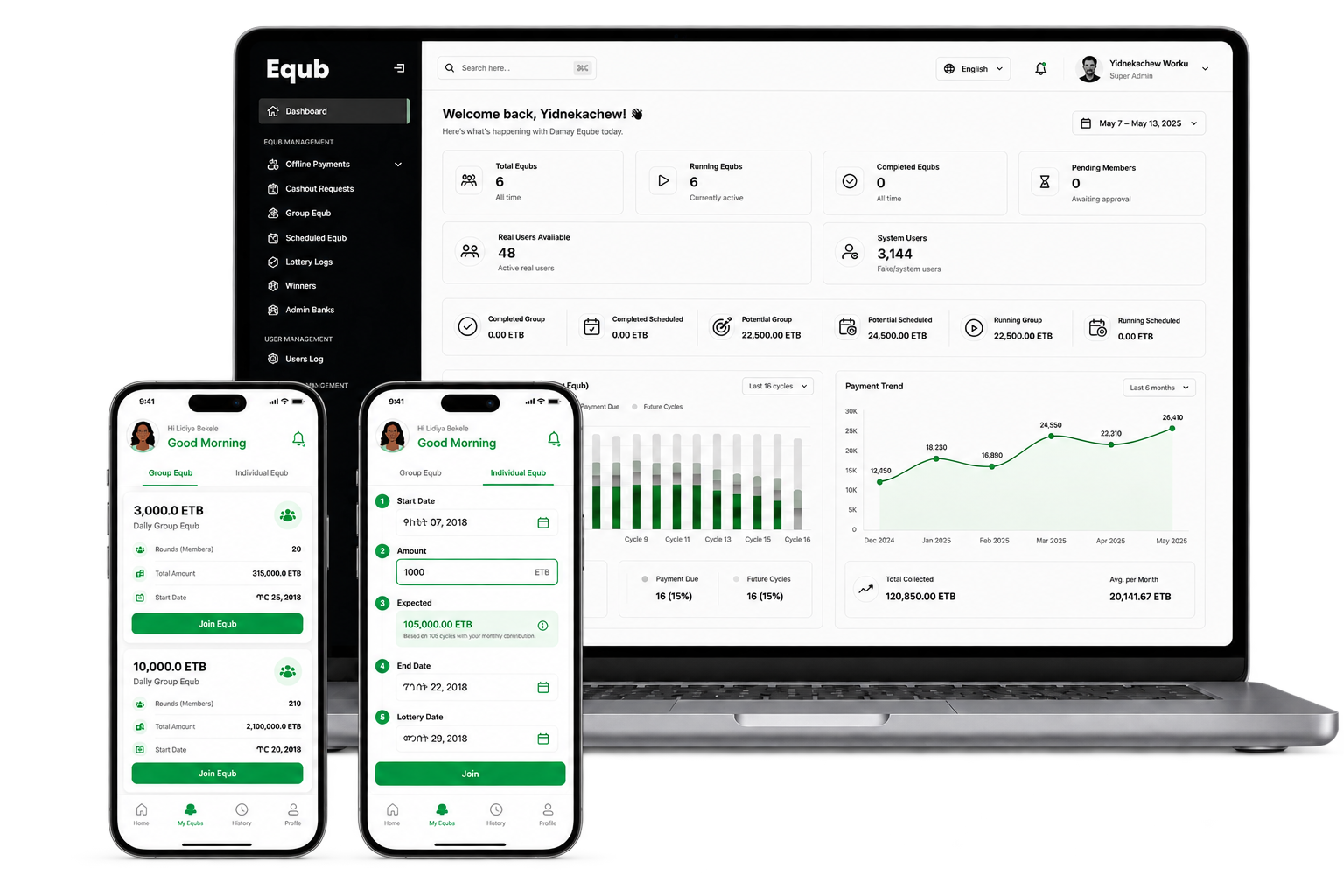
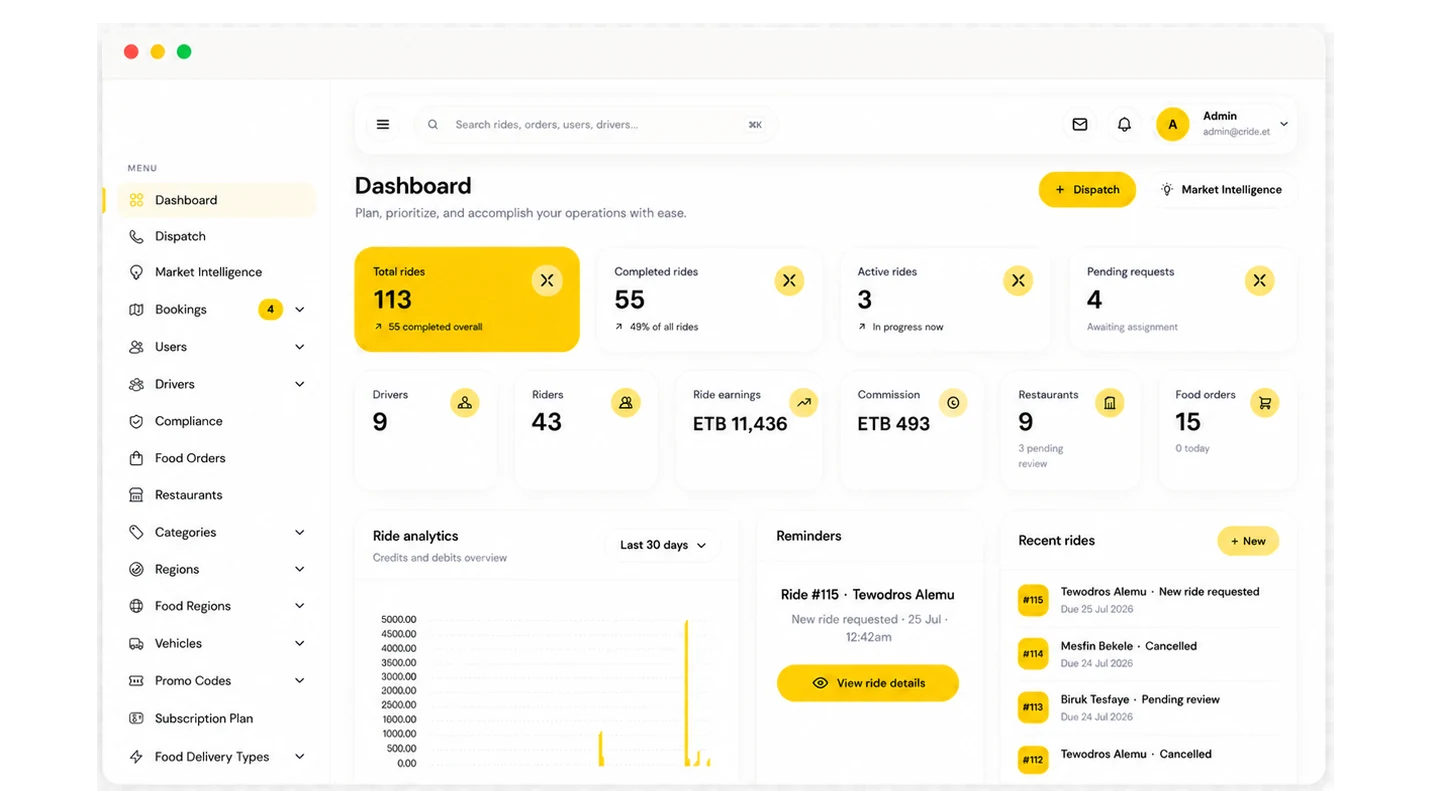
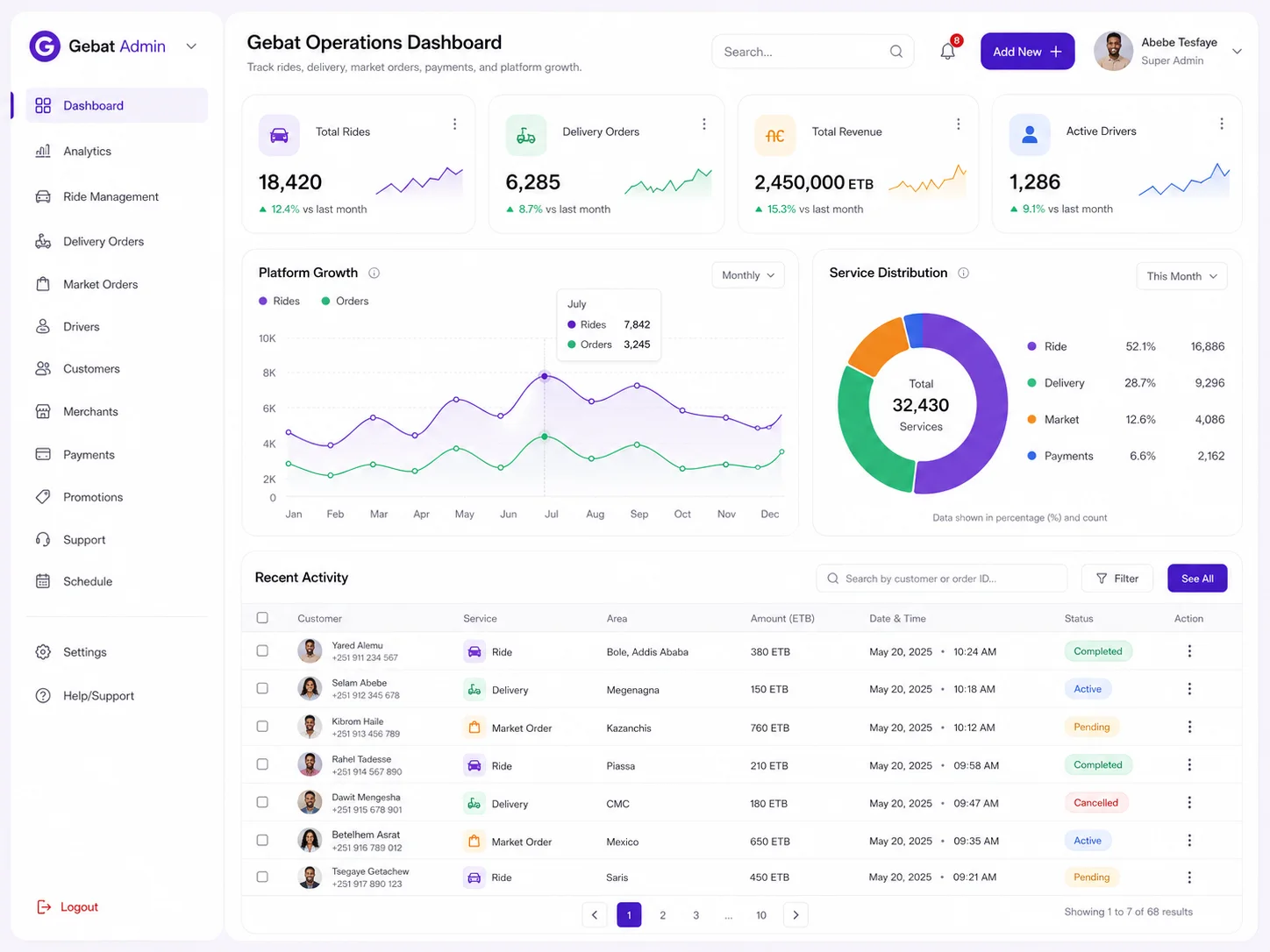
Plan ERP software for finance, HR, inventory, payroll, sales, and reporting workflows. Localization and regulatory requirements are reviewed and validated during implementation. Delivery planning for organizations across Ethiopia can account for connectivity, device access, language, reporting, data migration, training, and remote support requirements. Capabilities and milestones are confirmed in the agreed scope.

Addis Ababa Team
Secure Architecture
Phased Delivery
Real Project Portfolio
Loading form...

Submitted details are used to respond to your inquiry. See our Privacy Policy.

DreamTech reviews project inquiries directly.

Portfolio & ecosystem
  • Abyssinia Bank
  • ICS Addis
  • All Mart
  • Ambo Water
  • African Graduate
  • Air Force School
  • Awash Birr
  • CBE Birr
  • Chapa
  • Telebirr
  • Zemen Bank
  • Delhi School
  • Lotus Valley School
  • Save the Children
Finance
Accounting & Controls
HR
People & Payroll
Inventory
Stock & Procurement
Reports
Operational Visibility

What We Deliver

Comprehensive capabilities designed to cover every aspect of your project requirements.

Finance & Accounting Modules
HR & Payroll Management
Inventory & Supply Chain
Sales & CRM Integration
Tax & Reporting Configuration
Multi-Branch Support
Business Intelligence & Reporting
Custom Workflow Automation

Project decision guide

Govern an Ethiopia-wide ERP rollout without erasing branch reality

Multi-location ERP work must create one trustworthy control model while recognizing that branches may differ in volume, staffing, stock handling, connectivity, reporting cadence, or readiness. This route focuses on defining the common core, documenting permitted variation, and expanding only when data and local ownership meet agreed gates.

For branch, campus, facility, or regional operations

Use this approach when transactions originate outside a single headquarters. Central finance and technology teams should work with regional process owners, data stewards, trainers, and support contacts. Their role is not merely to receive training; they help identify local exceptions that can otherwise surface after cutover.

Regional master data and continuity risks

Assess branch account and item coding, duplicate suppliers or customers, opening balances, document numbering, local devices, offline procedures, synchronized reports, and close calendars. Decide what happens when a site cannot connect, a local administrator is unavailable, or a transaction reaches headquarters late.

Questions for the national ERP model

  1. Which policies, approval thresholds, master records, and reports must be identical, and where is controlled branch variation legitimate?
  2. How will each site cleanse and certify opening data, complete training, test devices, and demonstrate readiness without relying on headquarters to do it remotely?
  3. What cohort order limits business risk, and which reconciliation, support, connectivity, and period-end evidence permits the next group to proceed?

Roll out through certified branch cohorts

Build the common process template with representatives from different operating conditions. Pilot at sites chosen for meaningful variation, not convenience alone. Require local readiness packs, repeatable migration, scenario testing, support rehearsals, and post-go-live reconciliation before moving to the next cohort; retain a controlled fallback for interrupted operations.

Regional rollout controls

  • Every cohort certifies users, devices, access, master data, balances, connectivity, local procedures, and support contacts.
  • Inter-branch, consolidation, synchronization, exception, and period-close scenarios reconcile to central control totals.
  • Expansion decisions use recorded readiness and stabilization evidence, with unresolved risks assigned to named owners.

Why Choose DreamTech?

Ethiopian Market Context

Requirements planning can account for local workflows, payment systems, infrastructure, and current regulatory obligations.

Agile Development Process

Sprint cadence, demonstrations, and feedback points are agreed for the project scope and stakeholder availability.

Scalable Architecture

Architecture is planned against expected users, data, integrations, availability, and growth requirements.

Post-Launch Support

Monitoring, maintenance, and update responsibilities can be defined in the agreed support plan.

Visible Project Portfolio

Review selected mobile, web, ERP, education, mobility, and business-system implementation pages.

Scoped Commercial Proposal

Pricing, milestones, assumptions, exclusions, and change handling are documented for the agreed project scope.

Frequently Asked Questions

What is ERP software and why do I need it?

ERP (Enterprise Resource Planning) software unifies all your business operations — finance, HR, inventory, sales — into a single platform. It eliminates data silos, reduces manual work, and gives you real-time insights to make better decisions.

How are Ethiopian tax and payroll requirements handled?

Required calculations, reports, deductions, approvals, and payroll rules are documented during implementation and should be validated against current official requirements.

How long does ERP implementation take?

Timing depends on modules, users, data migration, integrations, configuration, training, and rollout risk. DreamTech confirms milestones after discovery and can propose phased delivery.

Ready to Start Your Project?

Book a free consultation to discuss requirements, constraints, delivery options, and the information needed for a scoped proposal.

Loading form...

Submitted details are used to respond to your inquiry. See our Privacy Policy.