

























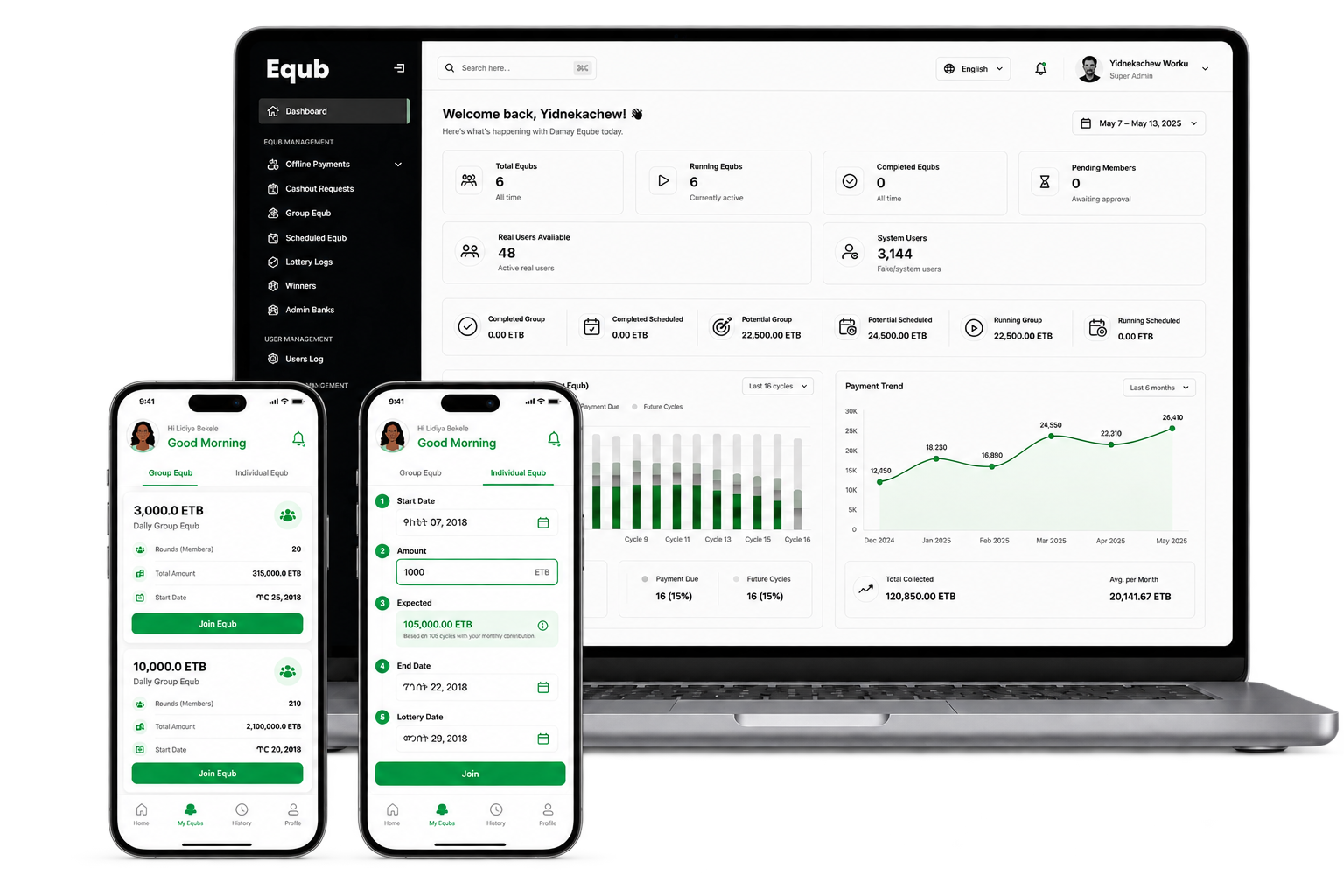
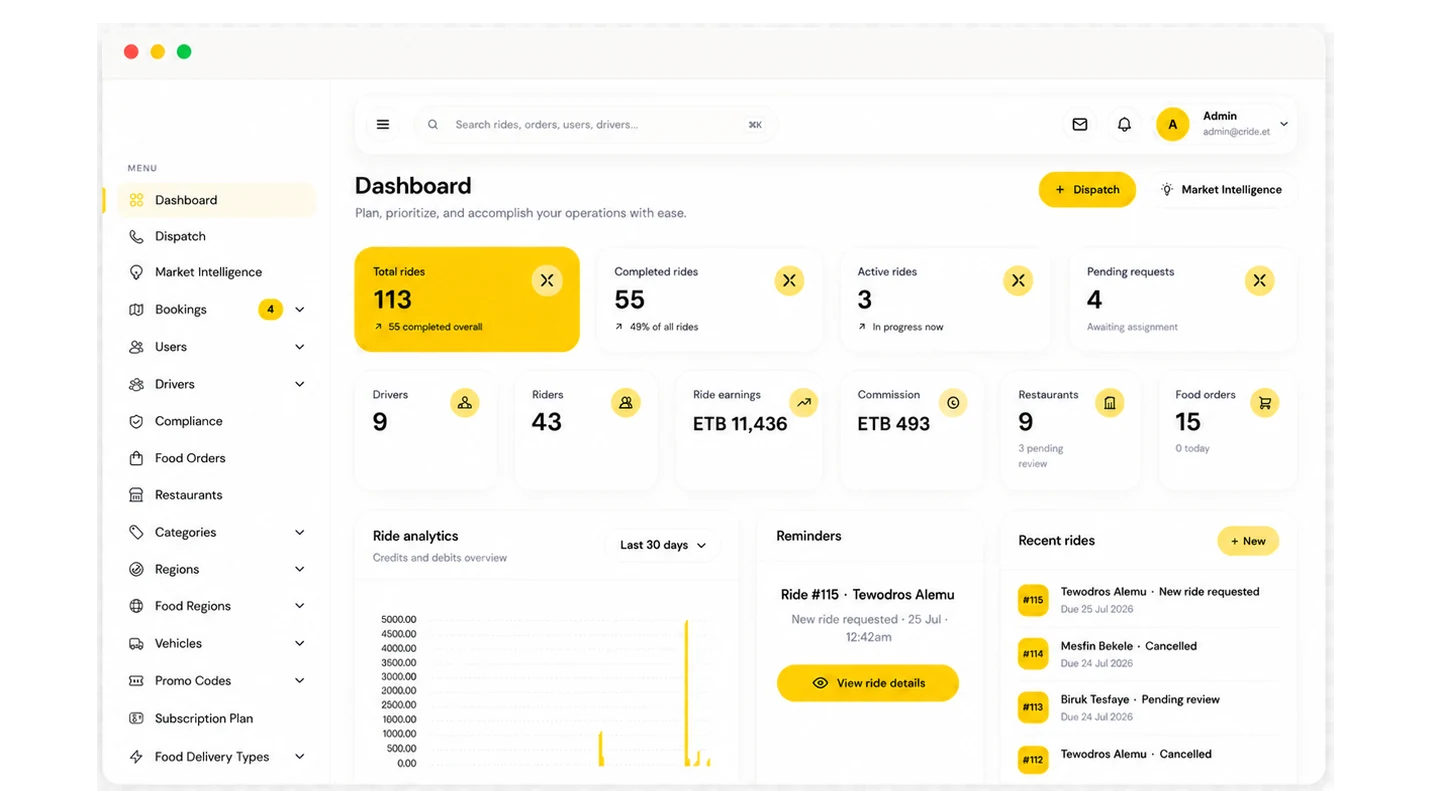
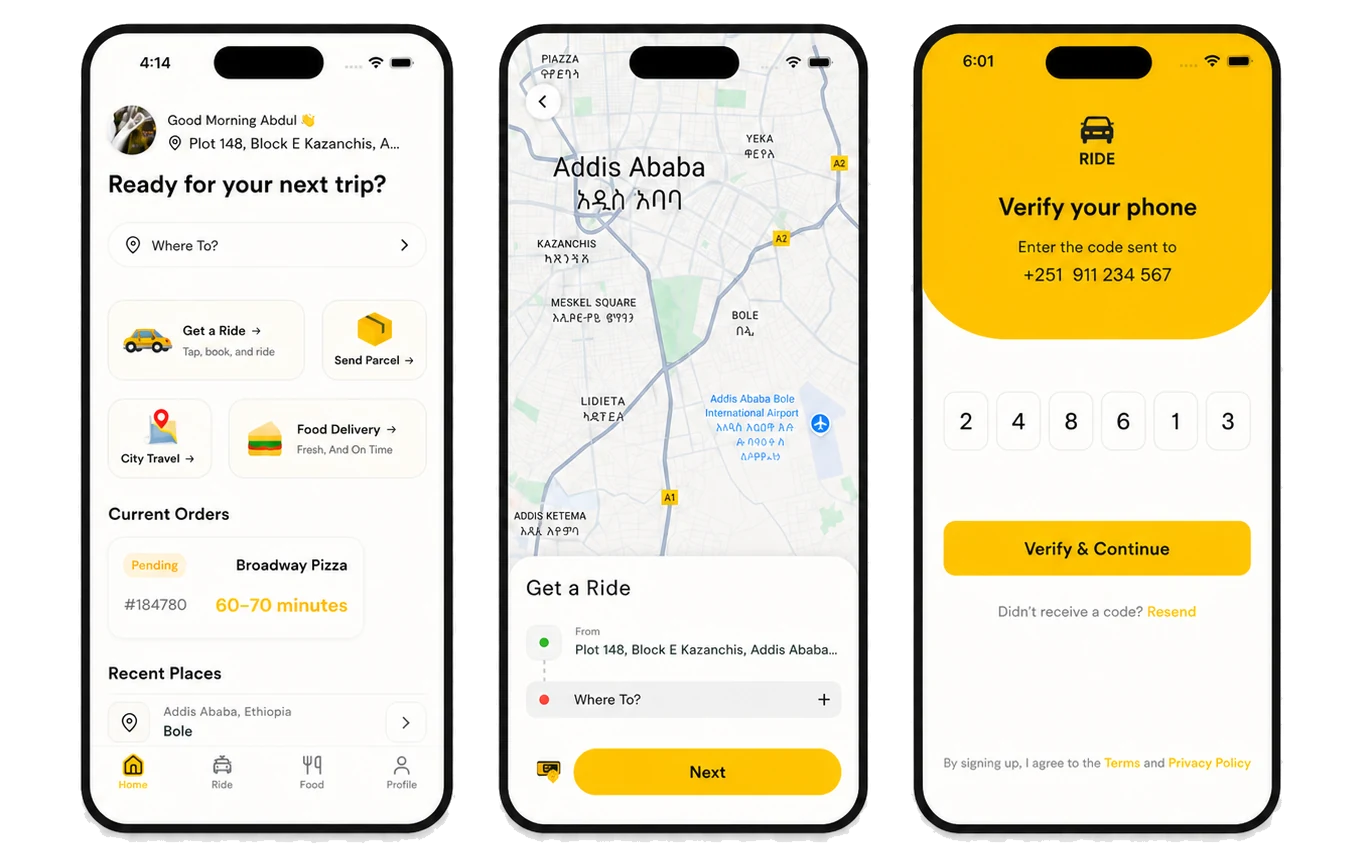
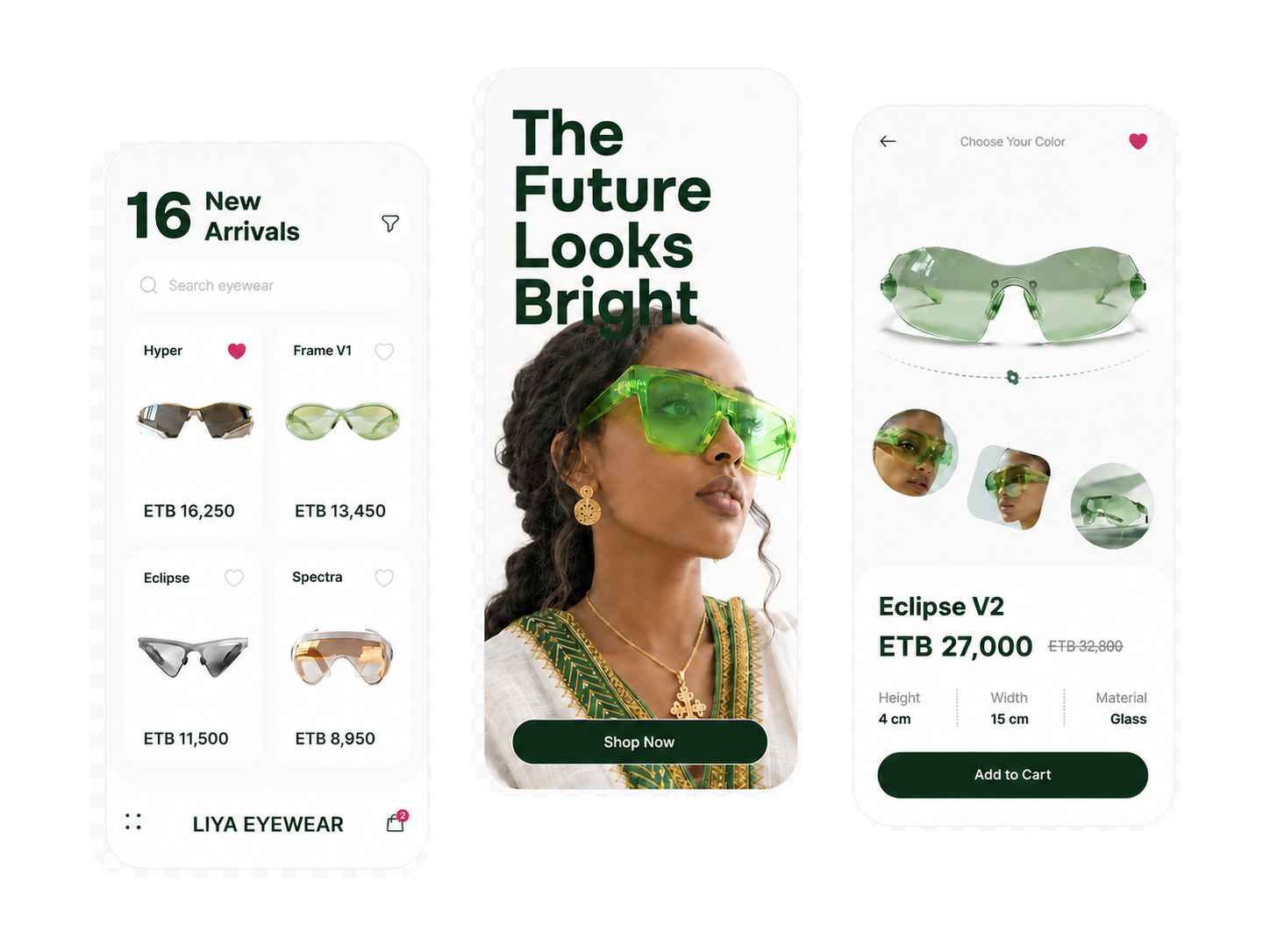
Addis Ababa Software Team

MVP Development Company in Addis Ababa

Turn a startup idea into a focused, testable product scope. The approach prioritizes core user journeys, validation, measurable learning, and an architecture appropriate to the next stage. Addis Ababa stakeholders can hold discovery and review workshops with DreamTech's local team. Scope is confirmed after workflows, users, data, integrations, controls, and delivery constraints are documented.

Addis Ababa Team
Secure Architecture
Phased Delivery
Real Project Portfolio

Trusted by

  • Abyssinia Bank

    Abyssinia Bank

  • ICS Addis

    ICS Addis

  • All Mart

    All Mart

  • Ambo Water

    Ambo Water

  • African Graduate

    African Graduate

  • Air Force School

    Air Force School

  • Awash Birr

    Awash Birr

  • CBE Birr

    CBE Birr

  • Chapa

    Chapa

  • Telebirr

    Telebirr

  • Zemen Bank

    Zemen Bank

  • Delhi School

    Delhi School

  • Lotus Valley School

    Lotus Valley School

  • Save the Children

    Save the Children

Problem
User Need
Scope
Core Features
Prototype
Journey Validation
Measure
Learning Plan

What We Deliver

Comprehensive capabilities designed to cover every aspect of your project requirements.

Rapid Prototyping & Validation
Lean Development Methodology
Core Feature Prioritization
User Feedback Integration
Scalable Foundation Architecture
Investor-Ready Products
Go-to-Market Strategy
Iterative Improvement Cycles

Project decision guide

Use an Addis Ababa pilot to observe the whole startup service

This route is for founders who can recruit early users and operate a controlled pilot in Addis Ababa. Proximity supports interviews and rapid observation, but the goal is not faster feature production; it is learning how people discover, trust, use, pay for, receive, and seek help with the complete service.

For a city-based early adopter cohort

Choose this path when the proposed first market can be represented by reachable participants and the founding team can support them directly. Recruit beyond friends and colleagues, document selection criteria, and include service staff or partners when the product relies on delivery, verification, venues, merchants, or manual approval.

A convenient pilot can hide market risk

Test acquisition channels, onboarding assistance, device and payment conditions, response time, fulfillment capacity, refunds or corrections, privacy questions, and support load. In-person help should be recorded because an experience that works only when the founder stands nearby may not be ready for independent use.

Plan the Addis Ababa experiment

  1. Where will representative early users be recruited, what existing behavior proves the problem, and what bias comes from that channel?
  2. Which task can participants attempt without coaching, and what observation will show confusion, lack of trust, weak demand, or operational failure?
  3. Who will answer support, perform manual fulfillment, reconcile payments, protect participant data, and decide when the pilot must pause?

Run short, observable pilot cycles

Test the promise and journey with prototypes, then release a small instrumented product to named participants. Observe real use in the relevant city context, review support conversations and operational effort, and correct blockers between cohorts. Expand only when the learning result—not enthusiasm alone—supports the next investment.

City-pilot exit evidence

  • The recruited cohort matches the stated early market and can use the core flow without founder intervention.
  • Acquisition, account, payment where relevant, fulfillment, feedback, privacy, and support are measured end to end.
  • Results are compared with pre-set thresholds and lead to a recorded product, market, operation, or stop decision.

A practical launch path

How We Build MVPs for Ethiopian Digital Businesses

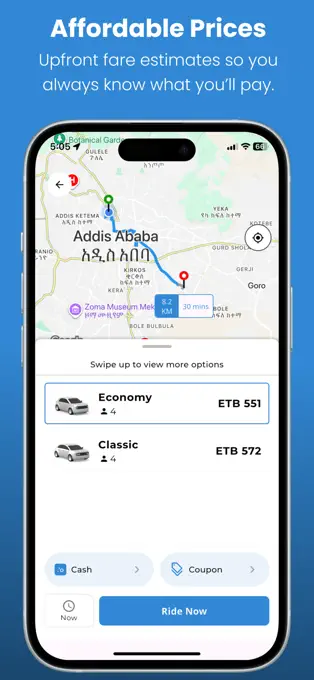
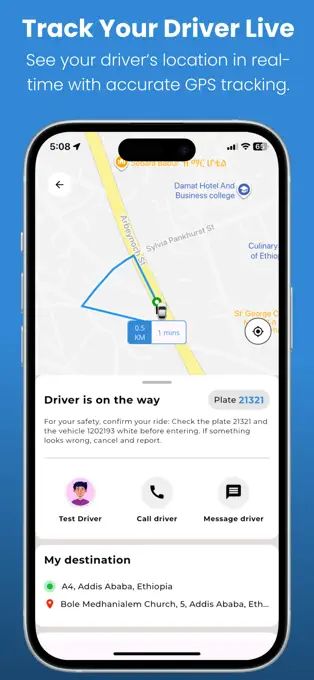
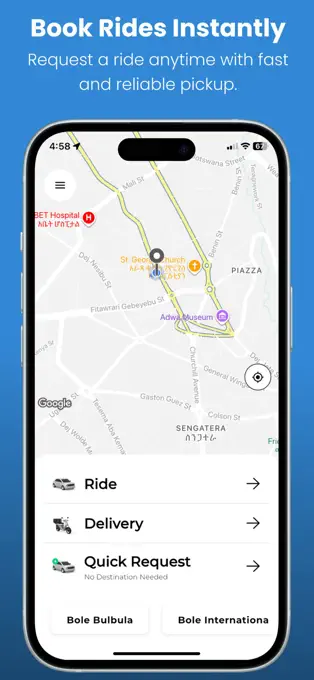
An MVP should test a real business assumption with dependable core workflows. The same method can be used for a ride-hailing platform, e-commerce or delivery app, fintech product, marketplace, SaaS platform, or another mobile and web product, but the first-release scope must reflect how that business will actually operate.

In Ethiopia, we identify local dependencies early: provider approval for Telebirr or another payment workflow, SMS and OTP delivery, maps and location coverage, device capability, interrupted connectivity, hosting, data handling, and the people who will support the product after launch. These are architecture and operations decisions, not items to add at the end.

  1. 1

    Business idea validation

    Clarify the user problem, buyer, operating model, assumptions, and the evidence needed before investing in a larger build.

  2. 2

    Requirement definition

    Map the main users, workflows, data, rules, integrations, constraints, and measurable launch outcome.

  3. 3

    Core feature selection

    Separate launch-critical capability from useful later work, then document exclusions so the first release stays focused.

  4. 4

    UI/UX

    Prototype the highest-risk journeys on the devices and network conditions the first users are likely to have.

  5. 5

    MVP architecture

    Choose a maintainable mobile, web, API, and data foundation that can grow without overbuilding the first release.

  6. 6

    Development

    Build in reviewable increments with working demonstrations and clear acceptance checks for each workflow.

  7. 7

    API integrations

    Connect only the services the launch truly needs, such as approved Telebirr or local payment flows, SMS/OTP, maps, and location services.

  8. 8

    Testing

    Test permissions, slow or interrupted networks, retries, payment states, location accuracy, security controls, and the complete user journey.

  9. 9

    Production launch

    Prepare domains, app-store releases where relevant, cloud environments, backups, monitoring, support ownership, and a controlled rollout.

  10. 10

    User feedback

    Collect evidence from real usage, support requests, completion rates, and operating staff instead of relying only on opinions.

  11. 11

    Iterative development

    Use that evidence to fix friction, strengthen reliability, and select the next features with a clearer view of value and cost.

Why Choose DreamTech?

Ethiopian Market Context

Requirements planning can account for local workflows, payment systems, infrastructure, and current regulatory obligations.

Agile Development Process

Sprint cadence, demonstrations, and feedback points are agreed for the project scope and stakeholder availability.

Scalable Architecture

Architecture is planned against expected users, data, integrations, availability, and growth requirements.

Post-Launch Support

Monitoring, maintenance, and update responsibilities can be defined in the agreed support plan.

Visible Project Portfolio

Review selected mobile, web, ERP, education, mobility, and business-system implementation pages.

Scoped Commercial Proposal

Pricing, milestones, assumptions, exclusions, and change handling are documented for the agreed project scope.

Frequently Asked Questions

What is an MVP and why do I need one?

An MVP (Minimum Viable Product) is a version of your product with core features only. It lets you test your business idea with real users before investing heavily — reducing risk and validating demand.

How fast can you build an MVP?

Timeline depends on product complexity, platform choice, integrations, and design scope. We keep the first release focused on core user journeys so you can test the idea before expanding.

Can the MVP evolve into a full product?

The architecture can be planned for likely next stages, but scaling decisions depend on validated demand, usage patterns, integrations, data, security, and operating requirements.

Free project consultation

Book a free consultation to discuss requirements, constraints, delivery options, and the information needed for a scoped proposal.

Loading form...